


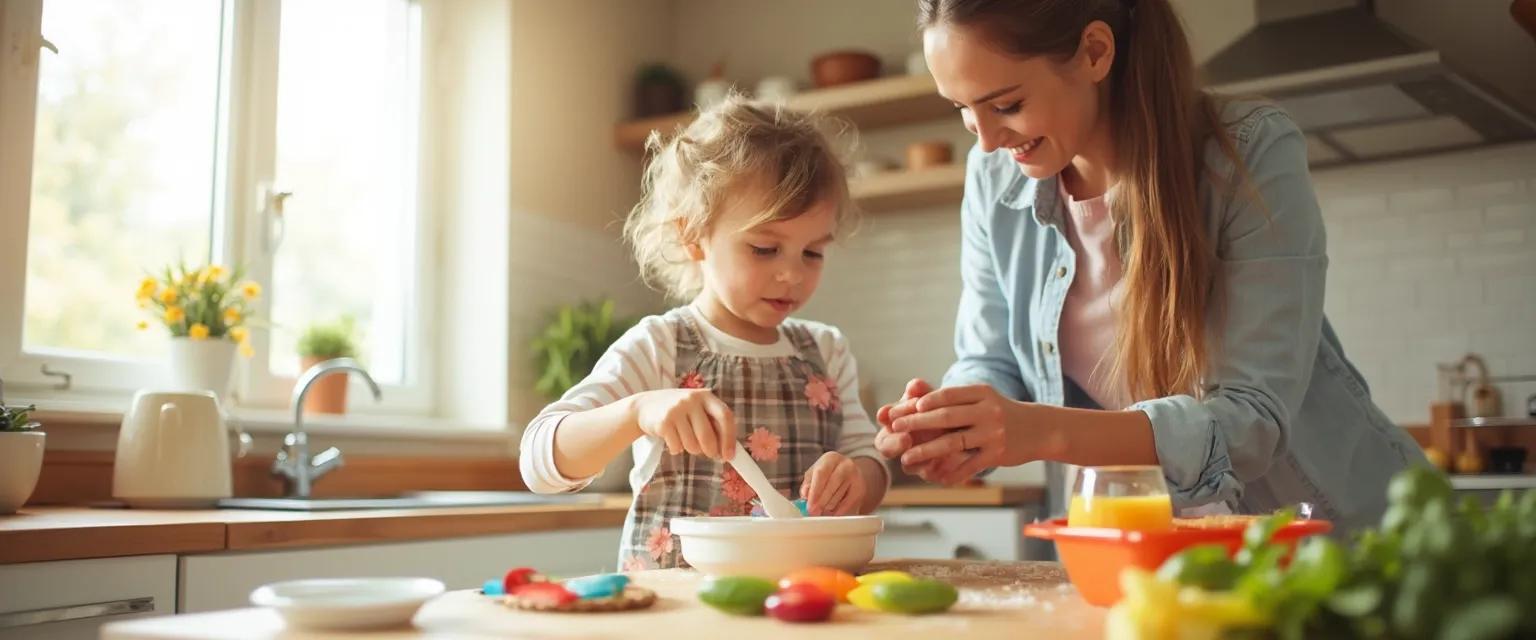
Teaching Self-Awareness Through Fun Kitchen Activities for Children
The kitchen might be the last place you'd think of for teaching self-awareness to children, but it's actually a goldmine of opportunities. When little hands measure flour or tiny fingers carefully crack eggs, they're not just making cookies—they're building essential life skills. Teaching self-awareness through kitchen activities creates natural moments for children to recognize their emotions, abilities, and preferences in a fun, low-pressure environment. The sensory-rich kitchen becomes a laboratory where kids discover not just how ingredients transform, but how they themselves respond to challenges and successes.
Research shows that hands-on activities significantly enhance children's emotional intelligence development. The kitchen provides immediate feedback—a cake rises or falls, flavors blend well or clash—creating perfect teachable moments for self-confidence building. These experiences help children understand their reactions to frustration when something spills, pride when they create something delicious, and patience when waiting for cookies to bake. Teaching self-awareness in this practical context helps children develop skills they'll use throughout life, from school projects to future relationships.
The beauty of kitchen-based learning lies in its natural integration into daily life. No special equipment needed—just your kitchen, some basic ingredients, and a willingness to embrace a bit of mess in service of emotional growth.
Mindful Cooking: Teaching Self-Awareness Through Sensory Experiences
The kitchen engages all five senses, making it perfect for teaching self-awareness through mindful activities. Start with simple taste tests where children close their eyes and identify different flavors. This exercise helps them tune into their preferences while learning to articulate sensations—"This is sour!" or "I love how sweet this is!" These observations become stepping stones to recognizing emotional states.
Texture exploration offers another avenue for teaching self-awareness. Let children knead dough, feeling how it transforms from sticky to smooth. Ask reflective questions: "How does the dough feel now compared to before? How did your patience help you work with it?" These connections between physical sensations and emotional states build crucial neural pathways.
Mindful eating exercises transform ordinary snack time into self-awareness practice. Guide children to notice the color, smell, and texture of a raisin or orange segment before slowly tasting it. This simple practice strengthens present-moment awareness—a foundational skill for emotional regulation and anxiety management.
Try "rainbow plates" where children select fruits and vegetables in different colors, discussing why they chose each item. This activity naturally reveals preferences while teaching nutrition—a win-win for emotional and physical health awareness.
Recipe Following as a Tool for Teaching Self-Awareness
Following recipes provides natural opportunities for children to recognize their abilities and limitations—core components of self-awareness. When a child struggles to measure precisely or mix thoroughly, they learn about their attention span and fine motor skills. These moments aren't failures but valuable self-knowledge.
The recipe process mirrors important life skills: planning (gathering ingredients), execution (following steps), and evaluation (tasting the result). Each phase offers teaching self-awareness opportunities. Before cooking, ask: "What parts do you think will be easy or challenging?" During cooking, notice: "I see you're being really careful with that knife." After completion: "How did the result compare to what you expected?"
Encourage recipe modification as children gain confidence. Questions like "What would you change next time?" or "Why did you decide to add more cinnamon?" promote metacognition—thinking about their own thinking—a sophisticated form of self-awareness.
These kitchen activities develop task initiation skills and follow-through, helping children understand their natural tendencies toward persistence or distraction in a supportive environment.
Bringing Self-Awareness to Life Through Kitchen Collaboration
Family cooking projects create natural opportunities for teaching self-awareness through social interaction. Assign roles based on strengths—one child measures while another mixes—highlighting how everyone contributes differently. These collaborations reveal emotional patterns: who gets frustrated easily, who enjoys helping others, who needs clear instructions.
Create "signature dishes" where each family member contributes an element reflecting their personality. This tangible representation of differences celebrates individuality while teaching self-awareness. The kitchen becomes a microcosm for life's collaborative projects, where understanding yourself helps you work better with others.
Teaching self-awareness doesn't require elaborate lessons—just thoughtful engagement with everyday activities. Start small with one mindful cooking session weekly, gradually incorporating these principles into your kitchen routine. The ingredients for emotional intelligence are already in your pantry—you just need to mix them together with intention and care.



