


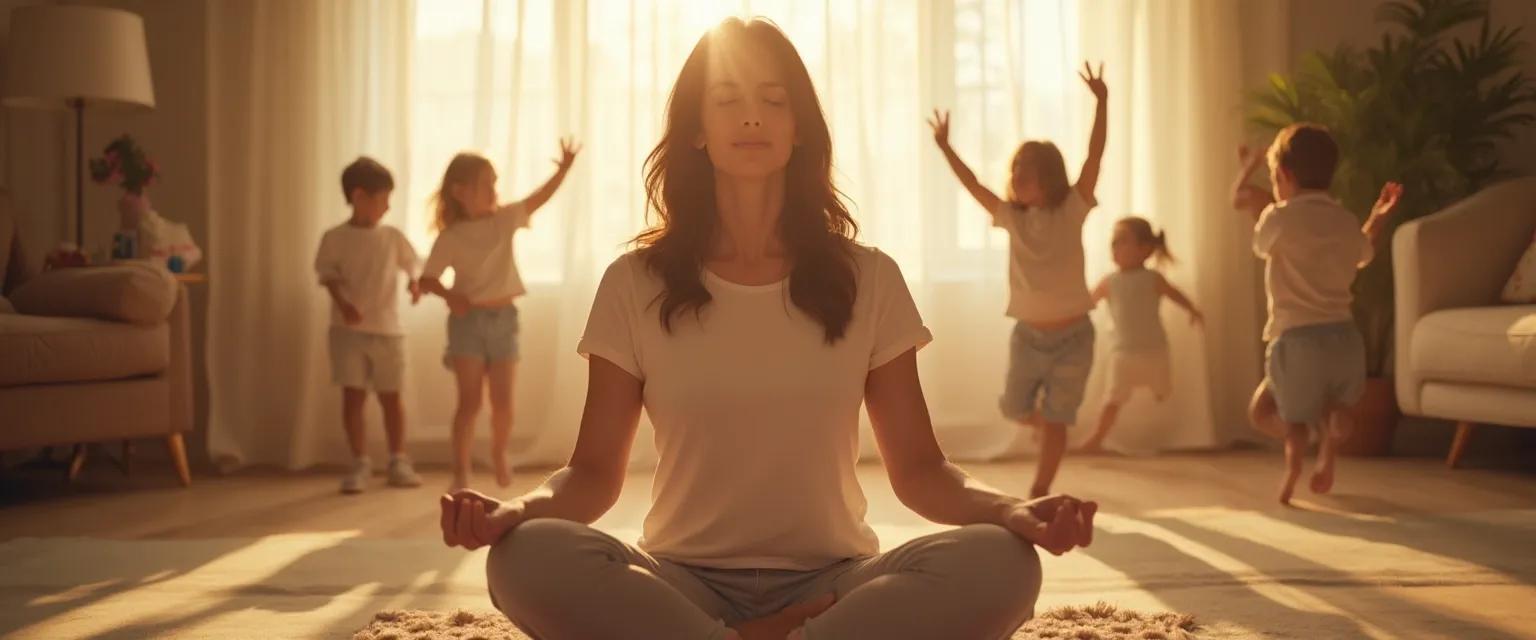
Why Kaha Mind Matters for Parents: Creating Calm in Chaotic Households
Parenting is a beautiful chaos—full of incredible highs, challenging lows, and everything in between. In the midst of this whirlwind, Kaha Mind offers parents a lifeline to emotional stability. The Kaha Mind approach isn't just another parenting technique; it's a comprehensive framework for cultivating calm within your family, regardless of how chaotic things might seem. By implementing these Kaha Mind strategies, you create space for more meaningful connections with your children while modeling essential emotional regulation skills.
The science behind Kaha Mind is compelling—particularly for family dynamics. When parents practice Kaha Mind techniques, they activate their parasympathetic nervous system, moving from "fight or flight" to "rest and digest." This physiological shift doesn't just benefit you; children are remarkably attuned to their parents' emotional states. Your calm literally becomes contagious to your children, creating a ripple effect throughout your household. The best Kaha Mind practices acknowledge this interconnection, focusing on how your emotional regulation directly influences your children's sense of security and emotional development.
How Kaha Mind Transforms Parent-Child Communication
Effective Kaha Mind techniques shine brightest during those heated parenting moments when tensions rise. Instead of reacting impulsively, Kaha Mind teaches the power of the strategic pause—taking just three conscious breaths before responding to your child's behavior. This tiny adjustment creates space between stimulus and response, allowing you to choose your words more carefully and respond rather than react.
One of the most valuable Kaha Mind strategies involves modeling emotional awareness for your children. When you narrate your own emotional process—"I'm feeling frustrated right now, so I'm taking a moment to breathe"—you provide your children with a blueprint for their own emotional regulation. This Kaha Mind approach transforms challenging moments into teaching opportunities.
The Kaha Mind guide for parents emphasizes creating "pause moments" throughout the day. These are brief opportunities to check in with yourself emotionally during transitions—before pickup, after bedtime, or before dinner prep. These strategic pauses prevent emotional buildup that often leads to parental burnout and reactionary responses.
Perhaps most remarkably, consistent application of Kaha Mind techniques creates what researchers call a "downregulation cascade" in families. When you maintain your emotional equilibrium, children feel safer, leading to fewer behavioral challenges, creating a positive feedback loop that transforms your family dynamics over time.
Practical Kaha Mind Exercises for Busy Parents
The most effective Kaha Mind exercises for parents are those that integrate seamlessly into existing routines. The "threshold technique" is particularly powerful—pausing briefly at doorways to take three conscious breaths before entering a new space or interaction with your child. This Kaha Mind practice creates natural reset points throughout your day.
Another essential Kaha Mind tip involves sensory anchoring. Choose a physical sensation—like feeling your feet on the floor or your hands on the steering wheel—as a reminder to return to the present moment. This technique works even during hectic parenting moments like managing tantrums or juggling multiple children's needs.
The Kaha Mind approach also includes age-appropriate mindfulness sharing with children. For toddlers, try "bear breathing"—breathing deeply while holding a stuffed animal on their belly to watch it rise and fall. For older children, introduce the "weather report" where they describe their emotional state as a weather pattern. These simple techniques help children develop their own emotional awareness while strengthening your connection.
The Kaha Mind Approach to Building a Calmer Family Environment
Consistent application of Kaha Mind techniques creates compound benefits over time. Parents report not only feeling more centered themselves but also witnessing remarkable shifts in their children's behavior within weeks of implementing these strategies. As one mother shared, "After three weeks of practicing Kaha Mind techniques, my son started asking me if I needed to 'take a breathing break' when he noticed me getting frustrated—he was mirroring my own self-regulation tools!"
The long-term benefits of raising children in a Kaha Mind-influenced home extend far beyond momentary calm. You're equipping them with emotional intelligence skills that will serve them throughout their lives. Ready to transform your family's emotional landscape? Start with just one Kaha Mind technique today, practice it consistently, and watch as calm gradually replaces chaos in your home. Remember, Kaha Mind isn't about perfect parenting—it's about present parenting, one breath at a time.



