


Why Meditation Fails: The Headspace Guide to Meditation and Mindfulness
You downloaded a meditation app with the best intentions. You sat down, closed your eyes, and... your mind immediately started racing through tomorrow's to-do list. After a few days of feeling like you're "doing it wrong," you gave up entirely. Sound familiar? Here's the thing: meditation doesn't fail you—the approach fails you. Without proper guidance, most people abandon their practice within a week, convinced meditation simply isn't for them. But the headspace guide to meditation and mindfulness offers a different path, one that addresses the psychological barriers keeping you from building a consistent practice.
The problem isn't your wandering mind or your busy schedule. It's the lack of structure that leaves beginners floundering, wondering if they're meditating correctly or just sitting there feeling frustrated. When you understand why meditation practices typically fall apart, you can implement sustainable self-care routines that actually stick.
Most people approach meditation with expectations shaped by Instagram quotes and wellness influencers, assuming they'll achieve instant zen. Reality hits hard when your brain refuses to cooperate, and without a framework for understanding what's happening, frustration builds quickly.
The Real Reasons Behind Failed Meditation and Mindfulness Attempts
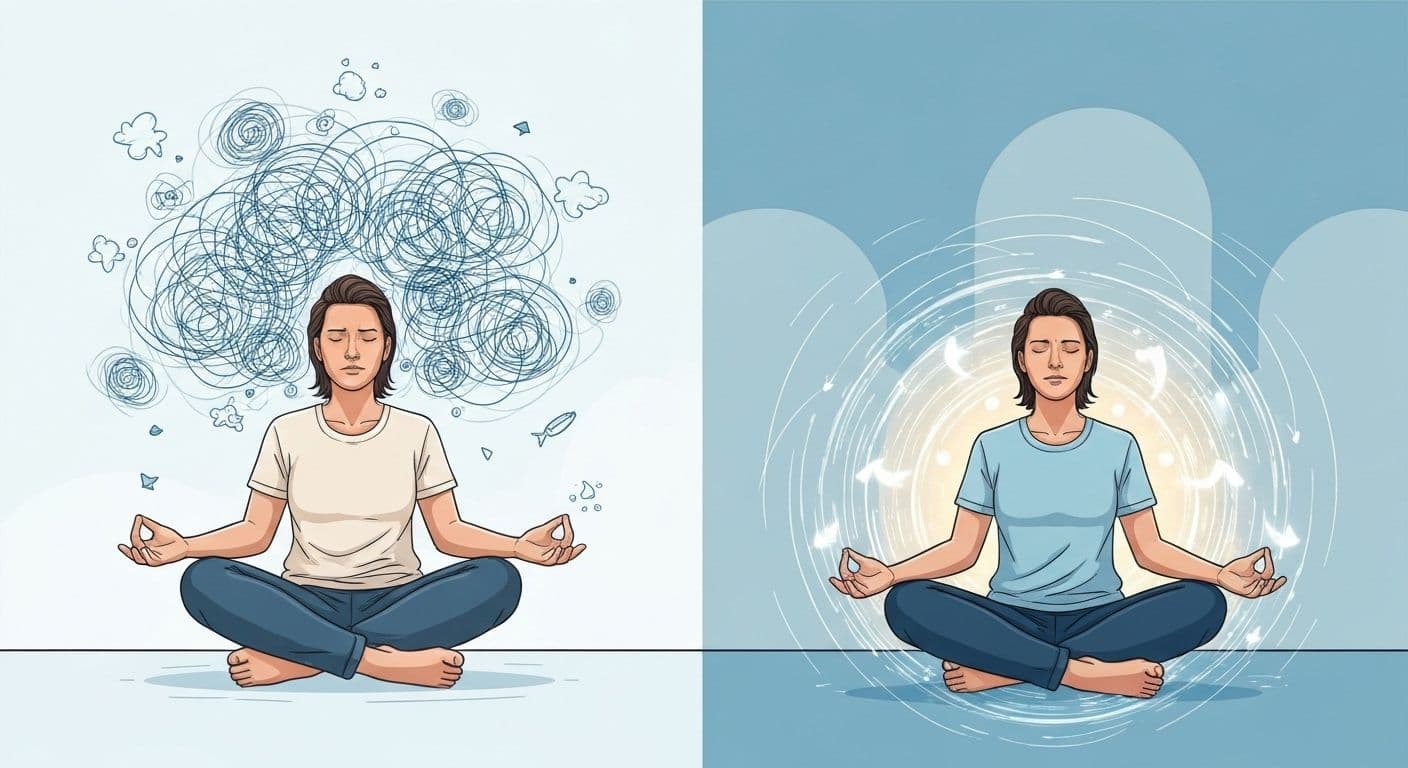
Let's get honest about why meditation practices crumble. The biggest culprit? Unrealistic expectations about immediate results. You sit down expecting your mind to go blank and achieve profound calm within minutes. When thoughts keep popping up like notifications you can't silence, you assume you're failing spectacularly.
But here's what nobody tells you: a wandering mind isn't a failure—it's completely normal. The issue is that going solo without guided meditation techniques leaves you interpreting this natural phenomenon as evidence that meditation "doesn't work" for you. You're not broken; you're just missing the roadmap.
Another major barrier is the myth that meditation requires emptying your mind completely. This misconception sets up an impossible standard that guarantees frustration. Your brain is designed to think—trying to force it into silence is like telling your heart to stop beating. Without proper guidance, you'll waste energy fighting your own neurology instead of working with it.
Lack of structure creates confusion about whether you're "doing it right." Should you focus on your breath? Count backwards? Visualize something? When you're left guessing, each session feels like stumbling through a dark room. This uncertainty breeds anxiety, which is pretty much the opposite of what you're trying to achieve. The psychological barriers to consistent practice multiply when you don't have clear, actionable steps to follow.
Time commitment also plays a role. Traditional meditation advice often suggests 20-30 minute sessions, which feels overwhelming when you're already stretched thin. This all-or-nothing mentality makes it easy to skip practice entirely when life gets hectic.
How The Headspace Guide To Meditation And Mindfulness Addresses These Challenges
The headspace guide to meditation and mindfulness flips the script by acknowledging these barriers and building solutions directly into the practice. Instead of demanding massive time commitments, it offers bite-sized sessions that fit into your actual life—not the idealized version where you have unlimited free time.
These shorter, structured sessions do something powerful: they remove the intimidation factor. When you're starting with just three to five minutes, meditation feels achievable rather than overwhelming. This approach builds consistency through small wins, which is exactly how emotional resilience develops over time.
The structured progression is another game-changer. The headspace guide to meditation and mindfulness doesn't throw you into the deep end and expect you to figure it out. Instead, it builds skills gradually, introducing concepts and techniques in a logical sequence. You learn to notice your thoughts without judgment before moving on to more complex practices.
Science-backed techniques normalize the wandering mind experience instead of treating it as failure. You'll learn that noticing your mind has wandered and gently redirecting it is actually the practice—not some unfortunate interruption of "real" meditation. This reframe eliminates the frustration that derails most beginners.
Clear guidance removes the guesswork entirely. Each session provides specific instructions about what to focus on, how to handle distractions, and what to do when your mind inevitably wanders. You're not left wondering if you're meditating correctly—you have a framework that shows you exactly what to do.
The guided mindfulness practice also offers different frameworks for various emotional states and goals. Feeling anxious? There's a specific approach for that. Struggling with anger? Different technique. This targeted guidance makes meditation feel immediately relevant to your life rather than some abstract wellness concept.
Benefits of guided versus solo meditation become obvious quickly. With guidance, you develop confidence and understanding before attempting to practice independently. It's like learning to swim with an instructor versus being thrown into the pool and told to figure it out.
Making The Headspace Guide To Meditation And Mindfulness Work For Your Life
Ready to make meditation actually stick? Start with realistic expectations and small time commitments. The headspace guide to meditation and mindfulness works because it meets you where you are, not where wellness culture thinks you should be.
Use the guided techniques to build confidence before considering solo practice. Think of it as scaffolding—temporary support that helps you develop skills you'll eventually use independently. There's no rush to meditate without guidance; take the time you need to genuinely understand the practice.
Recognize progress in subtle shifts rather than dramatic transformations. Maybe you notice you're slightly less reactive during stressful moments, or you catch yourself taking a conscious breath before responding to frustration. These small changes are the real indicators of growth, not some mystical enlightenment experience.
The truth about meditation is simple: it's a skill that develops with proper guidance, just like any other skill worth learning. The headspace guide to meditation and mindfulness provides that guidance in bite-sized, science-driven sessions that respect your time and your intelligence. When you stop fighting against unrealistic expectations and start working with a structured approach, meditation finally becomes what it should be—a practical tool for managing your emotional world, not another source of frustration.



