


Why Mindful Elevation Transforms Your Daily Commute Into Personal Growth Time
Your daily commute doesn't have to be wasted time spent in traffic or on crowded public transport. Through mindful elevation, those seemingly mundane journeys transform into powerful opportunities for personal growth and emotional development. This practice turns your commute into a dedicated space for self-awareness, where the very act of traveling becomes a catalyst for mental clarity and emotional intelligence.
Think about it: the average person spends nearly an hour commuting each day. That's five hours weekly—time that usually disappears into scrolling, stressing, or zoning out. But what if you could reclaim those hours? Research shows that intentional awareness practices during routine activities significantly improve emotional regulation and reduce stress levels. The key lies in understanding how to apply mindfulness techniques to your specific commuting situation.
Mindful elevation isn't about adding another task to your already busy schedule. It's about elevating the moments you already have, transforming passive time into active growth opportunities. Your commute becomes your personal development lab, where small shifts in awareness create lasting changes in how you experience your entire day.
Understanding Mindful Elevation Techniques for Your Journey
The best mindful elevation practices during commutes start with a simple shift: viewing your travel time as sacred space rather than lost time. This reframing immediately changes your relationship with those minutes or hours. Instead of fighting against the experience, you lean into it with curiosity and intention.
Begin by noticing your breath as you settle into your seat or start walking. This anchors you in the present moment and signals to your brain that you're entering a different mode. The beauty of mindful elevation strategies is that they don't require special equipment or perfect conditions—just your willingness to pay attention.
Try this: as you move through your commute, mentally label what you observe without judgment. "Hearing traffic sounds." "Feeling tension in shoulders." "Noticing impatience rising." This simple act of naming creates distance between you and automatic reactions, giving you space to choose more helpful responses. It's a powerful form of emotional awareness building that compounds over time.
How to Practice Mindful Elevation During Different Commute Types
Your mindful elevation guide adapts to your specific commuting situation. Driving requires different techniques than public transit, and walking offers unique opportunities for awareness practices.
For drivers, effective mindful elevation means staying fully present with the act of driving itself. Feel your hands on the steering wheel. Notice the subtle movements of steering and accelerating. When frustration arises at slow traffic, observe it without letting it hijack your mood. This isn't about forcing positivity—it's about staying aware of your internal experience while maintaining focus on the road.
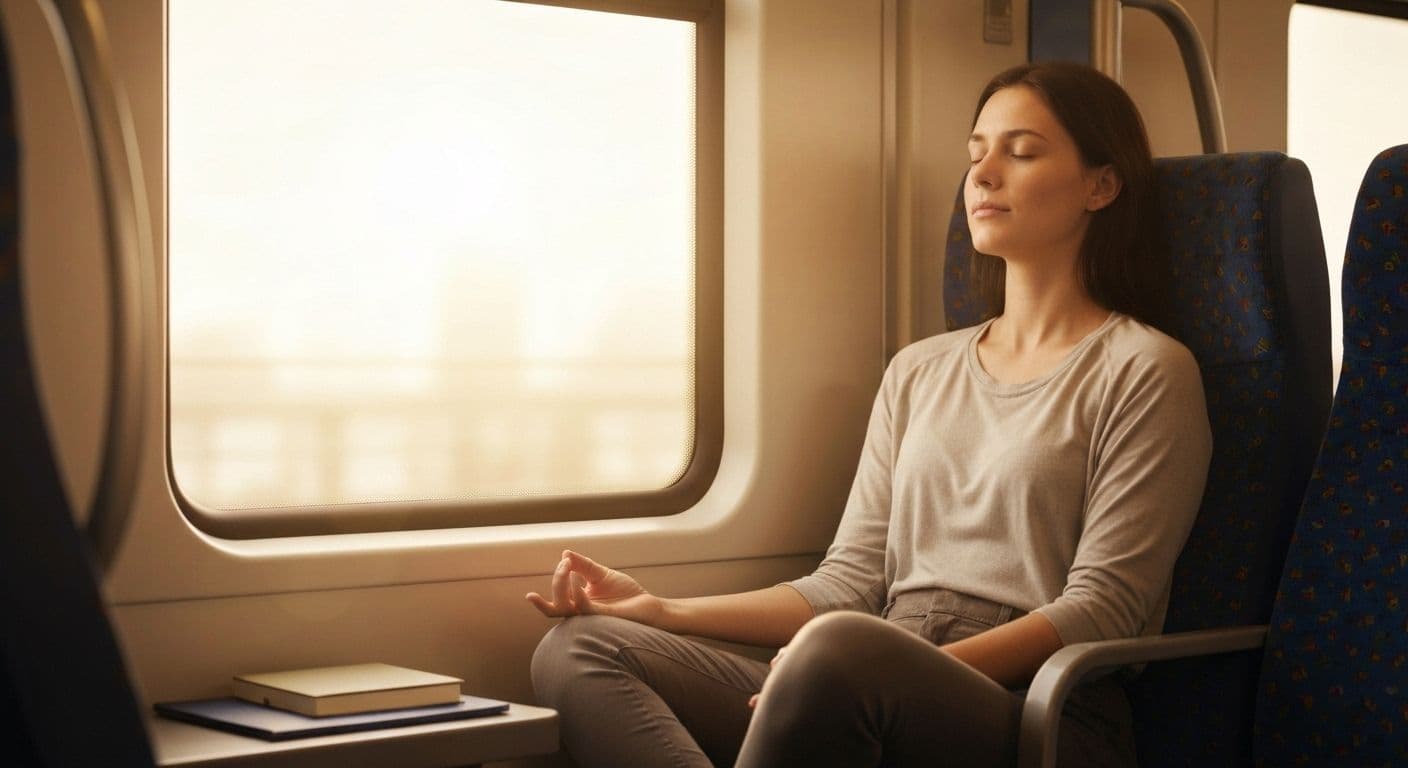
Public transit riders have more flexibility for mindful elevation techniques. You might focus on body sensations, noticing where you feel tension or ease. Or practice observing thoughts like clouds passing across the sky—present but not demanding engagement. Some commuters find that focusing on sounds creates a rich field for awareness: the rhythm of the train, snippets of conversations, the hum of engines.
Walking commuters enjoy perhaps the most natural setting for mindful elevation. Each step becomes an opportunity for presence. Feel your feet connecting with the ground. Notice your pace and breathing. Let the physical movement anchor your awareness in the here and now. This approach to building self-awareness feels effortless because it aligns with your body's natural rhythm.
Mindful Elevation Strategies for Processing Emotions During Transit
Your commute offers a unique container for emotional processing. Away from work and not yet home, you occupy a transitional space perfect for reflection. Mindful elevation tips for emotional work include checking in with yourself: "What am I feeling right now?" without immediately trying to fix or change anything.
Notice where emotions show up in your body. Anxiety might appear as chest tightness. Frustration as jaw clenching. Joy as warmth spreading through your torso. This body-based awareness helps you recognize and manage emotional states more effectively throughout your day.
The practice of mindful elevation during commutes creates a buffer zone between work and home life. Instead of carrying work stress directly into your personal space, you process and release it during transit. This boundary-setting through awareness protects your relationships and personal time.
Building Your Personal Mindful Elevation Practice
Start small with your mindful elevation journey. Choose one technique and practice it for a week before adding another. Consistency matters more than complexity. Even two minutes of focused awareness beats sporadic hour-long attempts that quickly fade.
Track what works for you without judgment. Some days your mind will wander constantly—that's completely normal. The practice isn't about achieving perfect focus but about repeatedly returning to awareness when you notice you've drifted. This return is where the growth happens.
Your daily commute becomes a reliable touchpoint for personal development when you embrace mindful elevation. Those previously lost hours transform into your most valuable investment—time spent developing the emotional intelligence and self-awareness that enhance every other area of your life.



