


Why Mindfulness Meditation for Anxiety Fails (And What Works Instead)
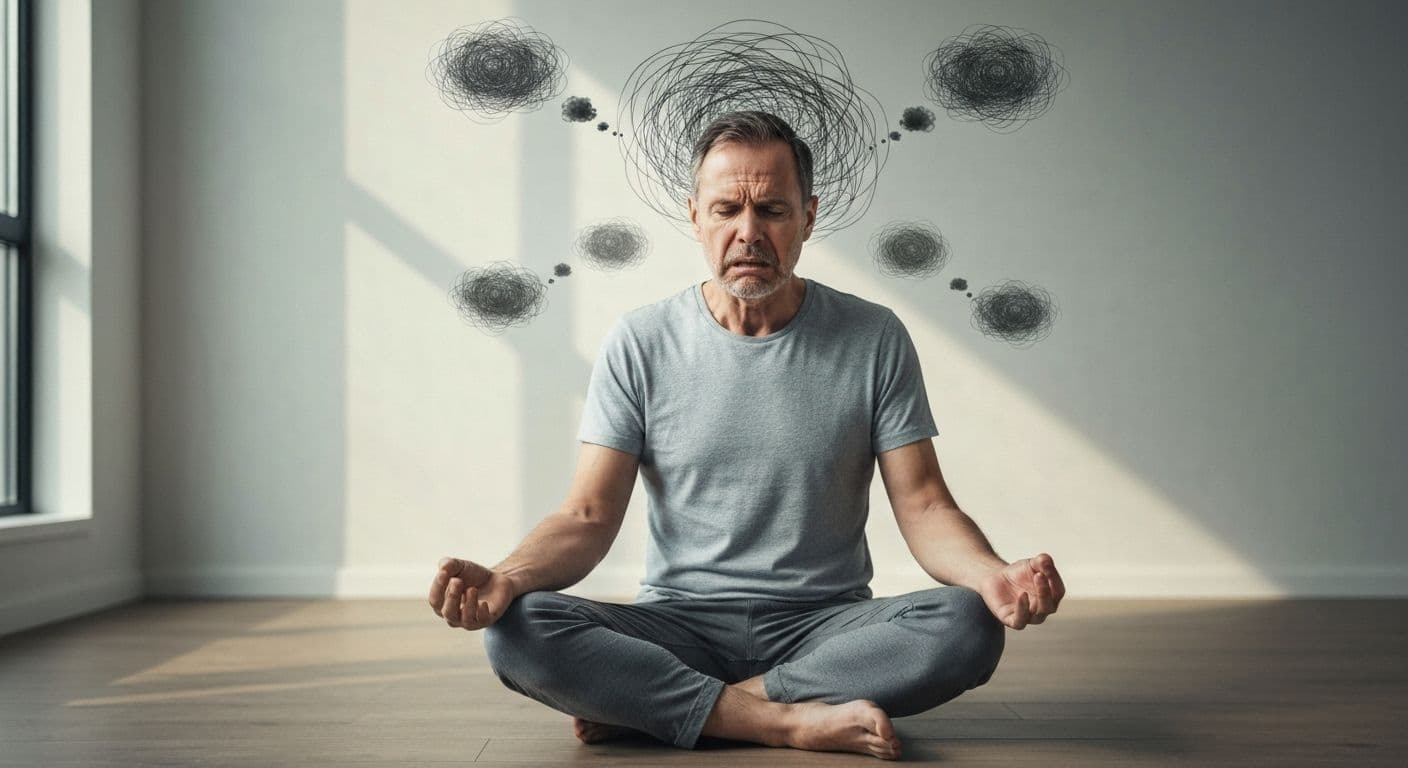
You've settled into your meditation cushion, closed your eyes, and started focusing on your breath—just like the mindfulness meditation for anxiety guides recommend. But instead of feeling calm, your heart races faster. Your thoughts spiral. That promised peace? Nowhere to be found. If this sounds familiar, you're not alone, and here's the truth: the problem isn't you.
Many people find that traditional mindfulness meditation for anxiety doesn't deliver the relief they desperately need. Your anxious thoughts might actually intensify when you sit still, or you feel like you're "doing it wrong" because your mind won't quiet down. The reality is that mindfulness works brilliantly for some people while leaving others feeling more frustrated than when they started.
The good news? The issue usually isn't with mindfulness itself—it's about finding the right approach that matches your unique anxiety patterns. When you understand why conventional meditation for anxious thoughts falls short for you, you can adjust your strategy and finally experience the anxiety relief techniques that actually work.
Why Traditional Mindfulness Meditation for Anxiety Doesn't Always Work
Let's talk about the expectation trap. Many people approach mindfulness meditation for anxiety thinking it should instantly silence their racing thoughts. When that doesn't happen within the first few sessions—or even the first few weeks—they assume they've had a setback. This unrealistic timeline sets you up for disappointment before you've even given the practice a fair chance.
The Expectation Trap
The meditation apps and wellness influencers often paint a picture of immediate tranquility. But here's what they don't tell you: mindfulness meditation for anxiety is a skill that develops over time, not a magic switch. Expecting instant calmness creates pressure that feeds your anxiety rather than reducing it.
Physical Discomfort and Anxiety
For some people, sitting still actually intensifies anxiety symptoms. When you're used to managing anxious feelings through movement or distraction, forcing yourself into stillness can feel like trapping a wild animal. Your body interprets the stillness as a threat, triggering more anxiety rather than calming your nervous system. This isn't a personal failing—it's simply how your particular anxiety responds to certain stimuli.
Technique Misunderstandings
Many people unknowingly practice mindfulness incorrectly for anxiety management. They try to suppress or push away anxious thoughts instead of observing them with curiosity. This creates an internal battle that leaves you mentally exhausted. The harder you fight to clear your mind, the more those thoughts persist—psychologists call this the "white bear effect."
Another common mismatch involves meditation style. Some approaches emphasize complete mental stillness, which doesn't align well with an anxious brain that's wired for vigilance. If you're constantly scanning for threats, trying to achieve thoughtlessness feels impossible and reinforces the belief that you're somehow broken. Understanding why silence makes us uncomfortable helps explain this response.
Adjusting Your Mindfulness Meditation Approach for Better Anxiety Relief
Ready to make mindfulness meditation for anxiety work for you? Start small—ridiculously small. Instead of committing to 20-minute sessions, try 30-second micro-moments of awareness throughout your day. Notice three things you can see, two you can hear, and one you can touch. These bite-sized practices build your mindfulness muscle without overwhelming your anxious nervous system.
Bite-Sized Mindfulness Practices
Your brain responds better to consistent small doses than sporadic marathon sessions. Think of it like building physical strength—you wouldn't start with the heaviest weights. Brief moments of mindfulness scattered through your day create sustainable habits that actually stick.
Active Meditation Alternatives
Movement-based mindfulness meditation for anxiety techniques often work better for restless minds. Try walking meditation where you focus on each footstep, or mindful stretching where you notice sensations in your muscles. These approaches give your body something to do while training your attention, making the practice feel more natural. Similar to how movement shapes your emotional state, active meditation channels energy productively.
Guided Support Options
Using guided meditations specifically designed for anxious thoughts provides structure when your mind feels chaotic. A calm voice directing your attention prevents you from spiraling into worry about whether you're "doing it right." Focus on body sensations—the temperature of your hands, the weight of your body—rather than trying to achieve mental blankness.
Pairing mindfulness with specific breathing techniques activates your parasympathetic nervous system, the physiological opposite of anxiety. Try box breathing: inhale for four counts, hold for four, exhale for four, hold for four. This gives your anxious mind a concrete task while naturally calming your body.
Making Mindfulness Meditation Work for Your Anxiety Starting Today
Here's what matters most: mindfulness meditation for anxiety works when you adapt it to your individual needs rather than forcing yourself into a one-size-fits-all approach. You don't need to overhaul your entire routine—pick one small adjustment from this guide and experiment with it this week.
Remember that setbacks are completely normal and don't mean you're doing anything wrong. Your anxiety developed over years; giving yourself permission to learn gradually makes the process sustainable. Embracing self-acceptance practices supports this journey beautifully.
Ready to discover science-backed emotional intelligence tools designed specifically for managing anxiety with mindfulness? Your unique anxiety patterns deserve strategies that actually fit how your brain works. The right approach to mindfulness meditation for anxiety exists—you just need the personalized support to find it.



