


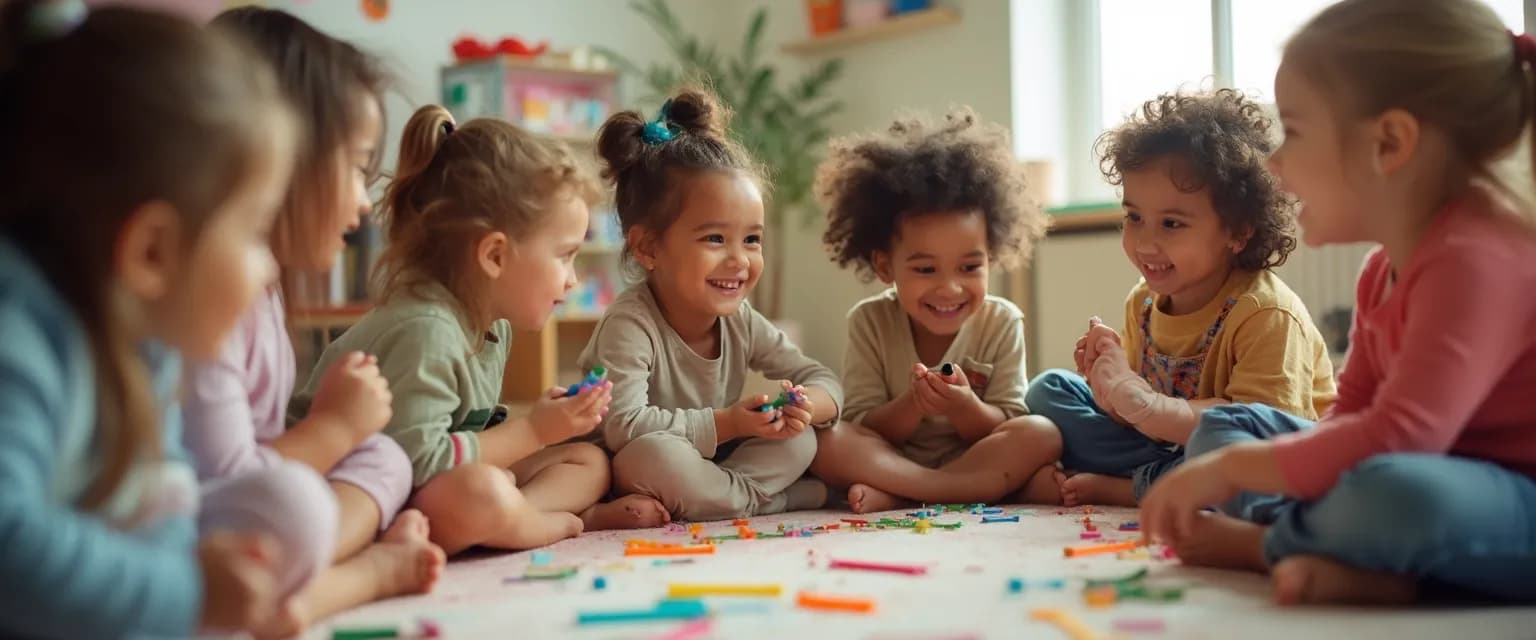
Why Self-Awareness Matters for Preschoolers' Social Development
Developing self-awareness for preschoolers is like planting tiny seeds that blossom into healthy social relationships. During these formative years (ages 3-5), children begin recognizing themselves as unique individuals with thoughts, feelings, and preferences distinct from others. This emerging self-awareness serves as the cornerstone for emotional intelligence and social competence that will benefit them throughout life.
Research from the University of Michigan shows that preschoolers with strong self-awareness skills are 40% more likely to demonstrate advanced social problem-solving abilities by elementary school. They're better equipped to navigate friendships, understand boundaries, and develop emotional regulation techniques that serve them well beyond childhood.
For parents and educators, fostering self-awareness for preschoolers doesn't require elaborate programs—just consistent, thoughtful approaches that acknowledge children's emerging sense of self. The rewards of investing in these skills early are substantial, creating a foundation for lifelong social and emotional health.
Key Milestones in Self-Awareness for Preschoolers
Understanding typical self-awareness for preschoolers milestones helps parents recognize and celebrate their child's developmental progress. By age 3, most children pass the classic "mirror test"—recognizing themselves in reflections and photographs, a fundamental indicator of self-awareness.
Between ages 3-4, preschoolers begin identifying basic emotions in themselves, typically starting with happy, sad, angry, and scared. By 4-5 years, this emotional vocabulary expands as children start connecting feelings to specific situations: "I feel frustrated when I can't make my tower stand up."
Another critical milestone involves preschoolers recognizing their own preferences and abilities. Statements like "I'm good at puzzles" or "I don't like carrots" reflect growing self-knowledge. This self-understanding helps children make choices and express needs appropriately.
Many parents worry when their preschooler struggles with perspective-taking or seems overly self-centered. However, these challenges are normal developmental hurdles as children gradually learn to balance self-awareness with social awareness. Consistent support and gentle guidance help preschoolers navigate these confidence-building experiences successfully.
How Self-Awareness for Preschoolers Shapes Social Interactions
Self-awareness for preschoolers directly influences their capacity for meaningful friendships. When a child recognizes their own emotions, they're better positioned to identify similar feelings in playmates—the foundation of empathy. This emotional connection transforms parallel play into genuine social engagement.
Consider a playground scenario: A self-aware preschooler who understands their excitement about swinging can more easily recognize that same excitement in a peer. This recognition creates opportunities for shared joy and connection.
Similarly, self-awareness helps preschoolers navigate conflicts. A child who understands their own frustration when someone takes their toy can better grasp why a friend might feel upset in a similar situation. This understanding doesn't eliminate conflicts but provides essential context for resolution.
Self-aware preschoolers also demonstrate greater flexibility in group settings. When they understand their preferences while recognizing others have different preferences, they're more willing to compromise, take turns, and participate in cooperative play—skills that translate directly to classroom success and productive social interactions throughout life.
Practical Activities to Boost Self-Awareness for Preschoolers
Enhancing self-awareness for preschoolers happens through playful, everyday interactions rather than formal lessons. Emotion-naming games provide excellent starting points: ask your child to make different facial expressions in a mirror, then name the emotions together. Extend this by playing "emotion detective" while reading stories, identifying how characters might feel in different situations.
Body awareness activities also strengthen self-awareness. "Simon Says" and freeze dance games help preschoolers connect with physical sensations and boundaries. These games build bodily awareness that contributes to overall self-concept.
Creating opportunities for choice-making strengthens a preschooler's sense of preference and agency. Simple options like "Would you like the red cup or blue cup?" acknowledge their developing preferences without overwhelming them with too many choices.
Perhaps most powerful is simply narrating your observations: "I notice you're smiling while building that tower. You seem proud of your creation!" This reflection helps children connect internal experiences with external expressions and builds their emotional vocabulary.
Remember that modeling self-awareness matters tremendously. When parents verbalize their own feelings appropriately—"I'm feeling frustrated because I can't find my keys"—children learn that emotions are normal and can be expressed constructively. These everyday moments build self-awareness for preschoolers more effectively than any formal curriculum could.
By incorporating these simple practices into daily routines, parents and caregivers create environments where self-awareness for preschoolers flourishes naturally, setting children on a path toward emotional intelligence and social success.



