


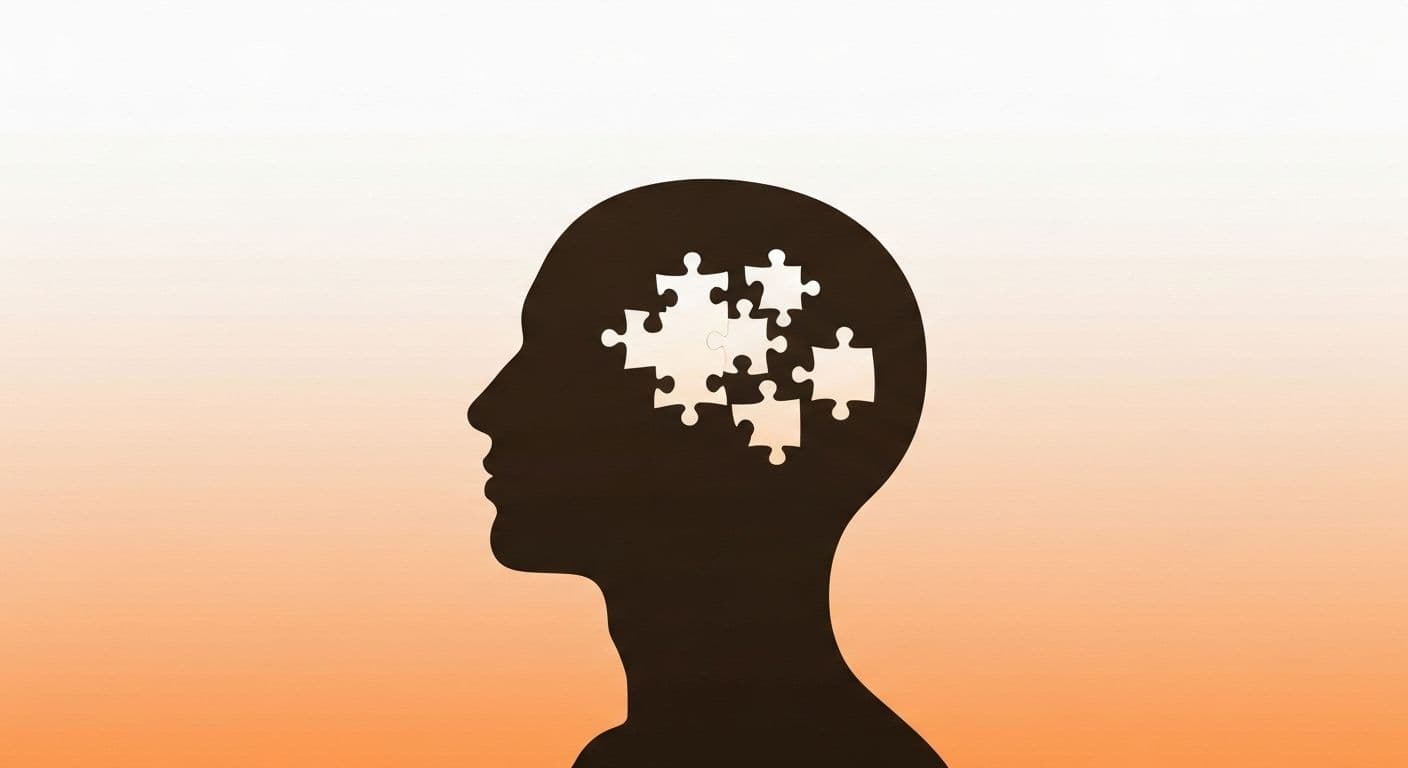
Why You're Losing Self-Awareness: Brain Blind Spots Explained
Ever snapped at someone and thought, "Where did that come from?" only to realize hours later what was really bothering you? That moment—when you're completely disconnected from your own emotional state—is losing self awareness in action. It's that frustrating experience where you react without understanding why, say things you don't mean, or make decisions that seem obvious in hindsight but invisible in the moment.
Here's the thing: losing self awareness isn't a character flaw or a sign you're broken. It's actually a predictable neurological phenomenon that happens to everyone. Your brain creates these self-awareness blind spots as a feature, not a bug—though it definitely feels like a bug when you're dealing with the aftermath of an emotional reaction you didn't see coming.
Understanding why these blind spots exist is the first step toward rebuilding your ability to recognize your own thoughts, emotions, and behaviors in real-time. And the good news? Once you know what's happening in your brain, you gain access to practical techniques that help you catch yourself before losing self awareness takes over. Let's explore the neuroscience behind these blind spots and discover how to break free from automatic patterns that keep you disconnected from yourself.
The Neuroscience Behind Losing Self-Awareness
Your brain has a built-in alarm system called the amygdala, and when it detects threat—whether that's actual danger or just your boss's critical email—it hijacks your rational thinking centers. This "amygdala hijack" is the primary culprit behind losing self awareness during stressful moments. Blood flow literally shifts away from your prefrontal cortex (where self-reflection happens) and floods your survival systems instead.
Think of it like this: when your amygdala sounds the alarm, your brain essentially says, "No time for self-reflection—we need to survive!" This is why you might find yourself mid-argument with zero memory of how you got there. Your self-monitoring systems went offline to prioritize immediate reaction over thoughtful response.
Cognitive Biases
Beyond the amygdala hijack, your brain uses mental shortcuts called cognitive biases that create self-awareness blind spots. Confirmation bias makes you notice information that confirms what you already believe while ignoring contradictory evidence about your own behavior. The blind spot bias—ironically—makes you excellent at spotting other people's lack of self-awareness while remaining oblivious to your own.
Emotional Flooding
When emotions hit a certain intensity threshold, you experience emotional flooding—a state where feelings overwhelm your capacity for self-monitoring. Your working memory gets so consumed by the emotional experience that there's literally no mental bandwidth left for observing yourself. This is why losing self awareness often coincides with anger or frustration; these emotions are particularly good at flooding your system and shutting down your ability to recognize what's happening in real-time.
Your default mode network—the brain system active during autopilot thinking—also plays a role. When you're on autopilot, you're operating from habitual patterns without conscious awareness, making it nearly impossible to catch yourself in the moment.
Quick Techniques to Stop Losing Self-Awareness in Real-Time
Ready to interrupt these patterns? These four techniques help you rebuild self-awareness exactly when you need it most—in the heat of the moment.
Name It to Tame It
The instant you notice an uncomfortable feeling, label it out loud or in your mind: "This is frustration" or "I'm feeling defensive right now." Research shows that simply naming emotions reduces amygdala activation by up to 30%. This simple technique creates just enough distance between you and the emotion to restore self-awareness.
STOP Method
When you feel intensity rising, use this acronym: Stop what you're doing, Take a breath (literally—one deep breath), Observe what's happening in your body and mind, then Proceed with awareness. This 10-second practice interrupts the amygdala hijack before it fully takes over. The key is catching yourself early—the moment you notice tension, not after you've already reacted.
Body Scanning
Your body knows you're losing self awareness before your conscious mind does. Take 30 seconds to mentally scan from head to toe: Is your jaw clenched? Shoulders tight? Stomach churning? These physical sensations are early warning signs that you're disconnecting from self-awareness. Noticing them brings you back online.
Third-Person Perspective
When emotions feel overwhelming, mentally step outside yourself and describe what's happening as if you're an objective observer: "She's feeling frustrated because the project isn't going as planned." This mental trick activates different brain regions and creates the psychological distance needed to recognize your own emotions and behaviors clearly. It's like giving yourself the same compassionate perspective you'd offer a friend.
Building Long-Term Self-Awareness to Eliminate Blind Spots
While quick techniques help in the moment, building lasting self-awareness requires consistent practice. The good news? You don't need hours of meditation or complex exercises.
Start with micro-check-ins—two-minute moments throughout your day where you simply ask yourself: "What am I feeling right now? What do I need?" Set these check-ins to happen at awareness anchors: existing habits like making coffee, sitting down at your desk, or washing your hands. These anchors make the practice automatic without requiring extra effort.
Building your emotional vocabulary also strengthens self-recognition. Instead of just "good" or "bad," learn to distinguish between anxious, overwhelmed, disappointed, or frustrated. The more precisely you recognize emotions, the harder it is to lose awareness of them. Think of it like upgrading from black-and-white to high-definition color—suddenly you see details that were always there but invisible before.
Remember: overcoming losing self awareness is a skill that improves with practice, not an overnight transformation. Each time you catch yourself and reconnect with your inner experience, you're strengthening neural pathways that make self-awareness easier next time. Ready to start eliminating your blind spots? Pick one technique from this guide and try it today—your future self will thank you for the awareness you're building right now.



