


Why Your 10-Minute Guided Meditation for Sleep Fails & 5 Fixes
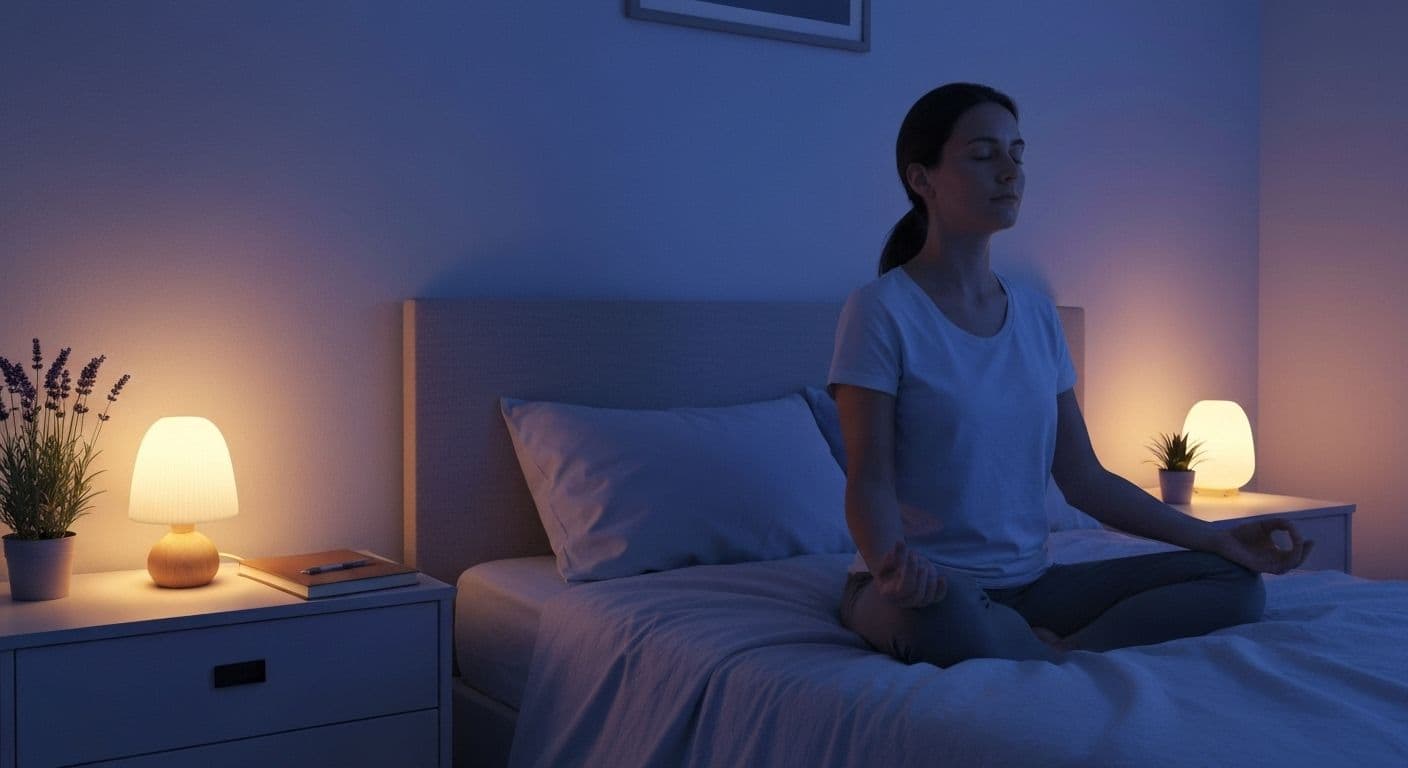
You've done everything right. You dimmed the lights, slipped into bed, and queued up a 10 minute guided meditation for sleep. Ten minutes later, the session ends, and... you're wide awake. Maybe even more alert than before. Your mind races, analyzing whether you "did it right," and now you're frustrated on top of being restless. Here's the truth: you're not broken, and meditation isn't a myth. The problem isn't the practice itself—it's how and when you're using it.
Most people assume that meditation for sleep works like a light switch: press play, close your eyes, drift off. But your brain doesn't operate that way. Understanding why your bedtime meditation backfires is the first step toward making it actually work. The good news? Simple, science-backed adjustments transform your 10 minute guided meditation for sleep from a frustrating ritual into a genuine sleep aid. Let's explore what's going wrong and exactly how to fix it.
Why Your 10 Minute Guided Meditation for Sleep Backfires
The most common culprit is what sleep researchers call the "awareness paradox." Meditation cultivates mindfulness—noticing your thoughts, sensations, and surroundings. That's excellent for daytime stress management, but it's the opposite of what your brain needs for sleep onset. When you finish your guided meditation for sleep, you might be more aware of your racing thoughts, not less. Your mind is activated, not sedated.
Timing creates another major issue. Doing your meditation immediately before lights-out doesn't give your nervous system the buffer it needs to transition from mindful awareness to sleep readiness. Your brain requires roughly 15-20 minutes to shift from the alert-but-relaxed state of meditation into genuine drowsiness. Without this buffer, you're essentially trying to force sleep the moment your session ends.
Voice characteristics matter more than most people realize. If your narrator speaks with energetic inflection, moderate pace, or upbeat tone, your brain interprets these cues as "stay alert." Even subtle vocal energy signals to your nervous system that it's not time to shut down yet. Similarly, meditation scripts focused on anxiety management rather than sleep-specific body relaxation keep your mind engaged instead of drifting.
Environmental factors sabotage your efforts too. Listening to meditation for sleep on a bright phone screen floods your eyes with blue light that suppresses melatonin production. Uncomfortable sleeping positions during meditation mean you'll need to shift and resettle afterward, disrupting the relaxation you've built. Even room temperature plays a role—your core body temperature needs to drop for sleep onset, but if you're too warm, your 10 minute guided meditation for sleep won't overcome that physiological barrier.
Finally, there's the expectation trap. When you approach sleep meditation with the mindset of "this must make me fall asleep," you create performance anxiety. That pressure triggers the same stress response that keeps you awake in the first place, turning your meditation into just another source of bedtime frustration.
5 Fixes That Make Your 10 Minute Guided Meditation for Sleep Actually Work
Fix 1: Create a timing buffer. Instead of meditating right before you want to fall asleep, do your 10 minute guided meditation for sleep 20-30 minutes earlier in your wind-down routine. Follow it with low-stimulation activities like gentle stretching or organizing tomorrow's clothes. This lets your nervous system naturally transition from relaxed awareness to genuine drowsiness.
Fix 2: Choose sleep-specific content. Look for meditation scripts explicitly designed for sleep onset, not general relaxation or mindfulness. These feature slower pacing, monotone delivery, and body-focused progressive relaxation rather than thought observation. The content should guide your attention downward into physical sensations, not upward into mental awareness.
Fix 3: Optimize your environment before pressing play. Set your phone to airplane mode, place it face-down across the room, and ensure your bedroom is dark and cool (around 65-68°F). Position yourself in your actual sleeping posture before starting. These environmental adjustments eliminate post-meditation disruptions that break your relaxation state.
Fix 4: Match voice characteristics to sleep physiology. Select narrators with deeper vocal tones, slower speech patterns, and minimal inflection. Your brain interprets these qualities as calming and non-alerting. Test different voices—what sounds soothing to one person might feel irritating to another. Your nervous system knows what works for you.
Fix 5: Release the outcome. Shift your intention from "this will make me sleep" to "this helps me relax without expectations." When you remove the pressure to fall asleep, you paradoxically make sleep more accessible. Think of your meditation for better sleep as creating favorable conditions, not forcing a specific result. Your body handles the rest.
Making 10 Minute Guided Meditation for Sleep Work for Your Brain
The shift from "meditation isn't working" to "I need the right approach" changes everything. Your 10 minute guided meditation for sleep becomes effective when you address timing, content, environment, voice selection, and expectations. Start with one fix tonight rather than overhauling your entire routine at once. Maybe that's simply doing your meditation earlier, or switching to a different narrator.
Track what works over the next week. Notice which adjustments create genuine drowsiness versus continued alertness. Your personal sweet spot exists—these five fixes help you discover it. You're not trying to force sleep anymore. You're creating the conditions where your 10 minute guided meditation for sleep naturally supports what your body already knows how to do. That's the difference between frustration and finally getting the rest you deserve.



