


Why Your Bedtime Meditation Keeps You Awake (And How to Fix It)
Ever tried meditation and sleep improvement only to find yourself wide awake, mind buzzing, and more alert than before you started? You're not alone. This frustrating paradox happens to countless people who turn to bedtime meditation hoping for rest but end up staring at the ceiling instead. Here's the good news: it's not your fault, and it's definitely fixable.
The problem isn't meditation itself—it's that certain meditation practices actually activate your nervous system rather than calm it down. Your brain responds differently to various meditation techniques, and what works beautifully at 10 AM might sabotage your sleep at 10 PM. Understanding this distinction changes everything about how you approach meditation and sleep together.
Ready to discover why your bedtime meditation keeps you awake and how to adjust your practice for actual rest? Let's explore the science behind what's happening in your brain and the simple fixes that work with your natural rhythms instead of against them.
The Science Behind Meditation and Sleep: Why Some Practices Energize You
Your nervous system has two primary modes: activation (sympathetic) and relaxation (parasympathetic). When you practice certain types of meditation, you're actually triggering the activation response—the same system that keeps you alert and focused during the day. This is fantastic for morning productivity but terrible for sleep preparation.
Focused attention meditation, where you concentrate intensely on a mantra, visualization, or specific thought, engages your brain's alertness centers. This type of focus improvement practice increases beta brain waves—the same waves associated with active thinking and problem-solving. No wonder you're wide awake.
Breath Patterns and Nervous System Responses
Your breathing pattern sends powerful signals to your brain about what state you should be in. Quick, even breaths or breath retention techniques (common in many meditation practices) activate your sympathetic nervous system. They tell your brain, "Stay alert! Something important is happening!" This works brilliantly for meditation and sleep when you understand the timing.
Meanwhile, longer exhales and slower breathing rhythms trigger your parasympathetic nervous system—your body's natural relaxation response. This is the key to effective meditation and sleep practices. When your exhale is longer than your inhale, your heart rate decreases, blood pressure drops, and your brain receives the signal that it's safe to rest.
Posture Signals Different Brain States
Sitting upright in traditional meditation posture sends a clear message to your brain: maintain alertness and focus. This posture naturally prevents sleep (which is why meditation teachers recommend it for daytime practice). When you're trying to use meditation for better sleep, this postural cue works against you. Your brain stays in "awake mode" even as you attempt to relax, creating that frustrating wide-awake feeling despite your best intentions.
How to Adjust Your Meditation and Sleep Routine for Better Rest
The solution isn't abandoning meditation—it's adapting your practice to support sleep instead of sabotaging it. These adjustments work with your brain's natural sleep mechanisms rather than fighting them.
First, timing matters enormously for meditation and sleep success. Practice your calming meditation 1-2 hours before bed, not right as you're trying to fall asleep. This gives your nervous system time to transition from the meditation state into sleep readiness. Think of it as a bridge between your active day and restful night, similar to how stress reduction techniques need time to take effect.
Posture and Environmental Adjustments
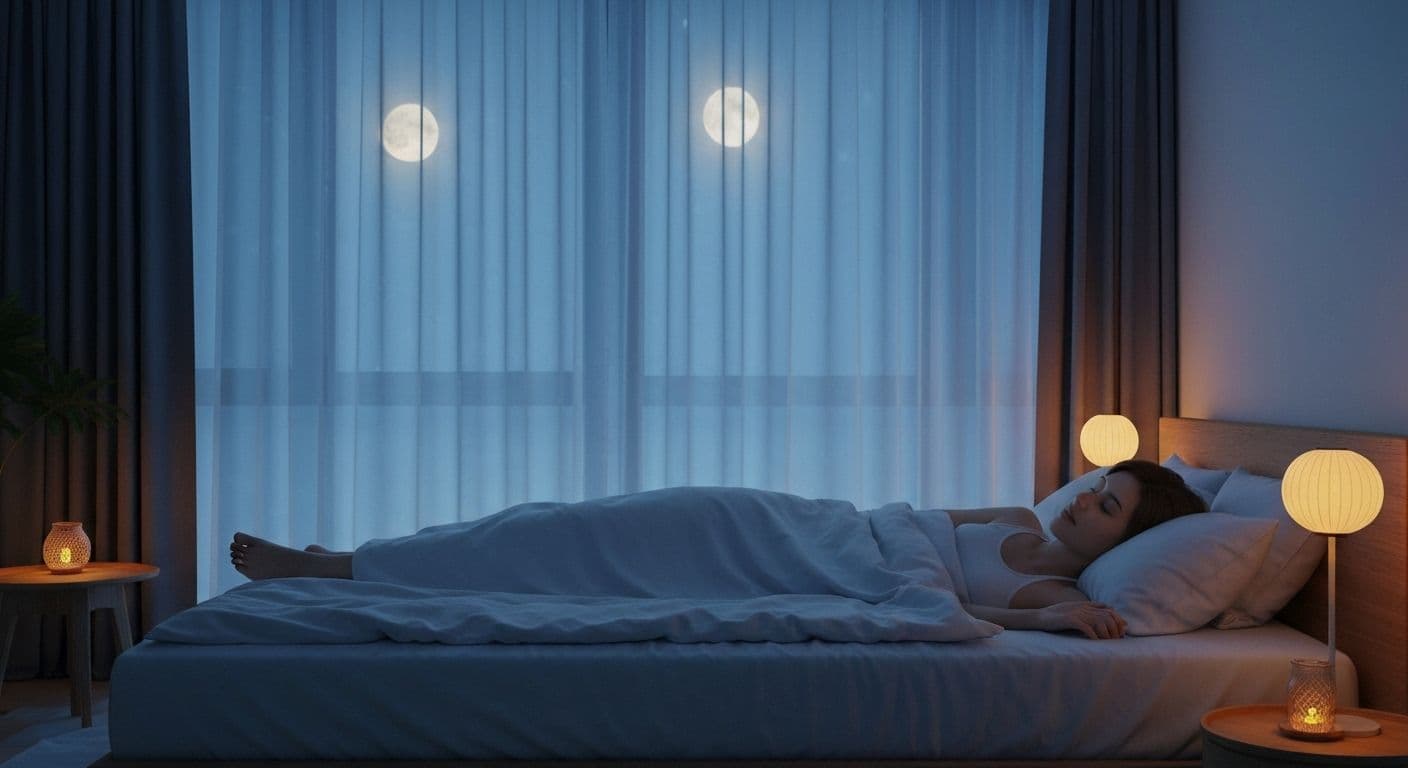
Switch from sitting upright to lying down for your bedtime meditation tips practice. If lying down makes you too drowsy to maintain awareness, start seated and gradually recline as you progress through your meditation. This physical transition mirrors the mental shift from wakefulness to sleep.
Create sleep-friendly environmental cues: dim your lights, lower the temperature slightly, and position yourself comfortably. These changes signal your brain that sleep is approaching, making your meditation work with your natural circadian rhythms instead of against them.
Breath Techniques for Sleep-Promoting Meditation
Transform your meditation and sleep practice by adjusting your breath pattern. Instead of even breathing or breath holds, practice the 4-7-8 pattern: inhale for 4 counts, hold for 7, exhale for 8. This extended exhale activates your relaxation response powerfully. Alternatively, simply make your exhales twice as long as your inhales—breathe in for 3 counts, out for 6.
Switch from focused attention practices to body scan or passive awareness techniques. Rather than concentrating intensely on a single point, let your awareness drift gently through your body or simply notice sensations without trying to control them. This gentler approach promotes the mental letting-go necessary for sleep.
Simple Meditation and Sleep Practices You Can Start Tonight
Ready to try a sleep-friendly meditation approach? Here's a simple body scan technique: lie down comfortably and bring gentle awareness to your toes. Notice any sensations without judgment, then let your awareness drift slowly up through your feet, legs, torso, and head. If your mind wanders (it will), that's perfectly fine—gently return to noticing your body.
Another effective practice involves counting breaths backwards from 10 to 1, extending your exhales. Breathe in naturally, then exhale slowly while counting "10." Next breath: "9." If you lose count, simply start over. This gives your mind something simple to do while activating your relaxation response, much like mindfulness techniques that build inner calm.
The beautiful truth about meditation and sleep is that they work together brilliantly when you use the right approach at the right time. Experiment with these adjustments to discover what works for your unique nervous system. With these simple modifications, you'll finally experience the restful sleep that meditation promises—and wake up feeling genuinely refreshed.



