


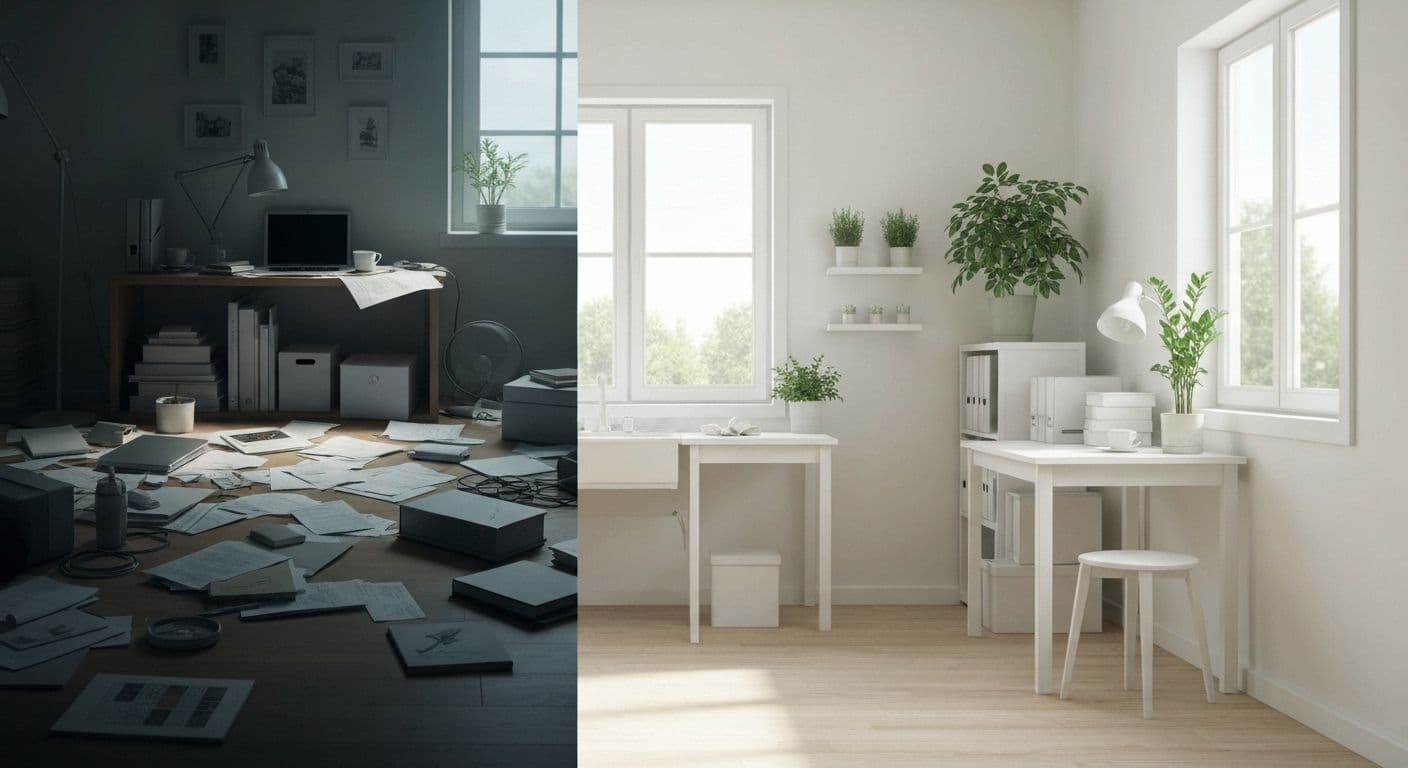
Why Your Environment Blocks Peace of Mind (And How to Fix It)
Ever notice how you walk into a cluttered room and immediately feel your shoulders tense up? That's not coincidence—it's your brain responding to environmental chaos. Your inability to find peace of mind might have less to do with your thoughts and more to do with the space surrounding you. The science is clear: physical clutter creates mental clutter, keeping your nervous system in a constant state of low-level alert.
Your environment speaks to your brain in a language you don't consciously hear, but your body definitely feels. Visual noise, jarring sounds, harsh lighting, and uncomfortable temperatures all send stress signals that make it nearly impossible to find peace of mind. The good news? Once you understand this connection, you can make strategic adjustments that create instant calm. This guide walks you through practical, room-by-room changes that transform overstimulating spaces into sanctuaries of tranquility.
Think of your surroundings as either peace-blockers or peace-promoters. Most people unknowingly live in environments designed for stress. But with some simple sensory optimization techniques, you'll discover how quickly your mental state shifts when your physical space supports rather than sabotages your emotional well-being.
How Your Physical Space Sabotages Your Ability to Find Peace of Mind
Here's what happens in your brain when you're surrounded by chaos: your visual cortex processes everything in your field of vision, whether you're consciously paying attention or not. That pile of unsorted mail, those tangled cords, the fourteen open browser tabs reflected in your peripheral vision—they all demand processing power. This constant low-level stimulation keeps your brain in alert mode, making it physiologically impossible to find peace of mind.
The neuroscience reveals that sensory overload activates your amygdala, the brain's alarm system. When your environment bombards you with competing stimuli, your nervous system interprets this as potential threat. Visual clutter signals disorder, which our evolutionary wiring associates with danger. The result? Elevated cortisol, shallow breathing, and that familiar feeling of being on edge without knowing why.
Visual Clutter Effects
Your eyes scan your environment approximately three times per second. Every object in your space gets registered, categorized, and evaluated—even when you're trying to relax. This explains why you can't truly unwind in a cluttered room, no matter how much you try to "tune it out." Your brain simply doesn't work that way.
Auditory Distractions
Noise pollution keeps your auditory cortex active when it should be resting. That humming refrigerator, distant traffic, or neighbor's television all prevent your nervous system from downshifting into calm. Research shows that unpredictable sounds are particularly disruptive, explaining why intermittent noise feels more stressful than constant background sound.
Lighting and Mood
Harsh overhead lighting triggers alertness when you need calm. Blue-spectrum light suppresses melatonin and signals your brain that it's time for action, not peace. Poor lighting creates eye strain and headaches, both of which generate those recurring feelings of frustration that seem to come from nowhere.
Room-by-Room Adjustments to Help You Find Peace of Mind
Ready to transform your space into a peace-promoting environment? Let's start where tranquility matters most—your bedroom.
Bedroom Peace Strategies
Your bedroom should signal sleep and calm the moment you enter. Switch harsh overhead lights for warm-toned lamps with dimmers. Keep your space between 65-68°F—the optimal temperature range for sleep and relaxation. Remove visual distractions by clearing nightstands and dressers of everything except essentials. Store your phone outside the bedroom if possible, or at minimum, face-down and out of arm's reach.
Workspace Calm Techniques
Your desk deserves special attention since this is where mental strain often peaks. Position your workspace to face away from high-traffic areas—movement in your peripheral vision constantly pulls your attention. Use noise-cancelling headphones or a white noise machine to create an auditory buffer. Keep only current projects visible; everything else goes in drawers or closed containers. This simple shift helps you maintain present-moment focus instead of feeling overwhelmed by visual reminders of pending tasks.
Living Space Optimization
Your main living areas need clear zones for different activities. Create a designated relaxation corner with a comfortable chair, soft lighting, and minimal visual stimulation. Choose calming colors—blues, greens, and earth tones—which naturally reduce arousal levels. Implement the "one in, one out" rule: every new item requires removing an existing one.
Daily Environment Management
Your kitchen and common areas generate the most daily chaos. Establish specific homes for everyday items so they never become clutter. Use drawer organizers, clear containers, and labels. Dedicate five minutes each evening to resetting these spaces—tomorrow's peace of mind depends on today's small maintenance habits.
Quick Sensory Optimization Techniques to Find Peace of Mind Today
Let's talk about the five-minute sensory reset that creates immediate calm. Start by dimming lights or switching to warmer bulbs. Open a window to introduce fresh air and natural sounds. Remove three visible items from your current space—just three makes a noticeable difference. Adjust the temperature to your comfort zone. These micro-adjustments compound into major tranquility.
Science-backed optimization focuses on controlling what you can: sound levels, lighting quality, temperature, and visual complexity. You don't need a complete renovation—you need strategic tweaks. Small, consistent environmental changes create lasting peace of mind far more effectively than occasional dramatic overhauls.
Your environment shapes your emotional state more than you realize. By making these practical adjustments, you're not just organizing physical space—you're actively supporting your ability to find peace of mind every single day. Start with one room today, and notice how quickly your internal state shifts when your external world supports your well-being.



