


Yoga and Self Awareness: 10-Minute Routines for Busy Parents
You know that feeling when your toddler is melting down, your phone won't stop pinging, and you realize you haven't checked in with yourself all day? Parenting in constant motion leaves little room for self-awareness, yet understanding your emotional state matters more than ever when you're responsible for tiny humans. Here's the good news: yoga and self awareness work together beautifully, and you don't need an hour-long class or a silent studio to experience the benefits. Just ten minutes of intentional movement creates powerful opportunities to understand what's happening inside you emotionally.
The connection between yoga and self awareness isn't just feel-good fluff—it's rooted in how your brain processes physical sensations and emotions. When you move mindfully through yoga poses, you create space to notice tension patterns, racing thoughts, and emotional undercurrents that usually get buried under the daily chaos. These short practices fit perfectly into real parenting life, even while your kids build block towers nearby. Ready to discover how regular emotional check-ins through movement can transform your relationship with yourself?
How Yoga and Self Awareness Connect for Emotional Balance
Your body holds emotional information that your mind often misses. When frustration builds or anxiety creeps in, physical tension appears first—tight shoulders, clenched jaw, shallow breathing. Yoga and self awareness work together because the poses force you to pay attention to these physical signals, creating a bridge to understanding your emotional state.
The science behind this connection is fascinating. When you hold a yoga pose, you activate your interoceptive awareness—your brain's ability to sense internal body signals. This awareness helps you recognize emotions as they arise, rather than discovering them hours later when you've already snapped at someone. Breath work during yoga practice anchors your attention to the present moment, making it easier to identify feelings like overwhelm or frustration before they escalate.
Even ten-minute sessions create meaningful shifts in emotional understanding because yoga slows down your nervous system. Unlike scrolling your phone or rushing through tasks, yoga for self awareness demands that you pause and notice. This pause is where the magic happens—where you realize "I'm carrying stress in my neck" or "I've been holding my breath all morning." These insights become the foundation for better emotional regulation throughout your day.
The mind-body connection that makes yoga uniquely effective for building self awareness also explains why it works better than simply thinking about your emotions. Moving through poses while observing your breath patterns teaches you to recognize emotional states through physical cues, creating a reliable internal compass you can access anytime.
Simple Yoga Poses That Build Self Awareness in 10 Minutes
Let's talk about specific poses that deliver maximum self-awareness benefits in minimal time. These movements work perfectly while your kids play nearby, requiring no special equipment or complicated sequences.
Poses That Work While Kids Play Nearby
Start with Child's Pose, which creates instant emotional safety while helping you check in with stress levels. Kneel on the floor, sit back on your heels, and fold forward with arms extended. Notice where tension lives in your body. This pose naturally slows your breathing and signals your nervous system to shift into reflection mode.
Cat-Cow stretches reveal tension patterns you've been carrying unconsciously. Moving between arching and rounding your spine helps release frustration stored in your back and shoulders. Pay attention to which movements feel restricted—these areas often hold emotional stress you haven't acknowledged yet.
Warrior II grounds you while recognizing your inner strength during chaos. Standing with legs wide and arms extended, this pose builds stability and confidence. Notice if you're mentally resisting the challenge or embracing it—this mirrors how you handle parenting stress.
Forward Fold allows you to observe anxiety and let go of overwhelming thoughts. Hanging over your legs with a soft bend in your knees, you create space for tension to drain from your head and neck. This pose excels at revealing racing thoughts you didn't realize were running.
Seated Twist processes emotions and creates mental clarity. Sitting cross-legged and gently rotating your torso helps you notice emotional "stuckness" and physically release it through movement.
Breath Techniques for Emotional Check-Ins
During each pose, practice counting your inhales and exhales. Noticing whether your breath is shallow or deep provides immediate feedback about your emotional state. This simple technique transforms yoga and self awareness from abstract concepts into concrete, actionable insights about managing emotions effectively.
Making Yoga and Self Awareness Part of Your Daily Routine
Building a sustainable practice means choosing consistent times that actually work for your schedule. Morning sessions before kids wake up offer quiet reflection, while evening practices help you process the day's emotional residue. The key is treating these ten minutes as non-negotiable appointments with yourself.
Use yoga as an emotional reset during chaotic parenting moments. When you feel overwhelmed, dropping into Child's Pose for two minutes creates immediate perspective. This approach makes yoga and self awareness a practical tool rather than another item on your to-do list.
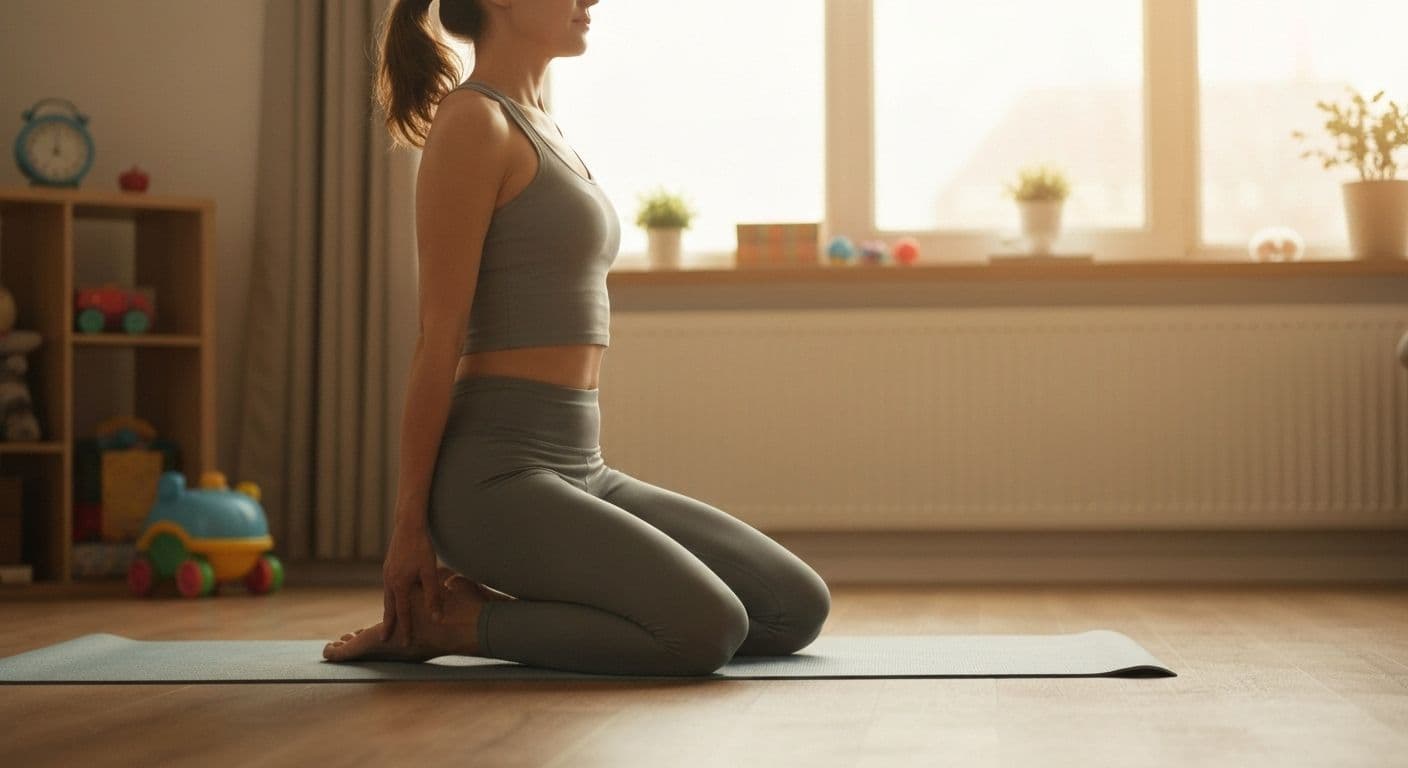
Create a simple practice space by rolling out a mat in your living room or bedroom. This visual cue signals that it's time for self-awareness work. You don't need a dedicated yoga studio—just a spot where you can move freely while staying present with your kids.
Track emotional patterns you notice through regular practice. You'll start recognizing that tight hips correlate with anxiety or that shallow breathing appears before irritability strikes. These insights become your personal emotional early-warning system, helping you implement sustainable self-care routines that prevent emotional overwhelm.
Ready to start building this habit today? Your ten-minute yoga and self awareness practice awaits—no perfection required, just honest presence with yourself.



