


Color-Coding Your Anxiety: Powerful Anxiety Tips for Visual Stress Management
Ever noticed how anxiety can sneak up on you, going from zero to overwhelming before you even realize what's happening? You're not alone. What if there was a simple, visual way to catch those anxiety shifts early and respond effectively? Enter color coding – one of the most innovative anxiety tips that transforms abstract feelings into a concrete system you can actually see and manage.
Color coding your anxiety isn't just a creative idea – it's backed by science. Our brains process visual information 60,000 times faster than text, making color an incredibly powerful tool for emotional awareness. This visual anxiety management approach gives you a quick reference system that bypasses your logical brain and speaks directly to your emotional centers. By implementing these anxiety tips, you create a personalized early warning system that helps you respond to stress before it overwhelms you.
Think of it as your personal anxiety dashboard – one glance at your color code and you know exactly which stress reduction techniques to deploy. Let's explore how to build your own visual system for tracking anxiety levels.
Creating Your Personal Anxiety Tips Color Code System
Building your personalized anxiety color code starts with choosing colors that intuitively represent different stress intensities for you. Most people find a four-color system works best: green for calm, yellow for mild anxiety, orange for moderate anxiety, and red for intense anxiety. The beauty of these anxiety tips is that you can tailor them to your unique experience.
Choosing Your Colors
When selecting your colors, consider what each anxiety level feels like in your body:
- Green: Relaxed, present, breathing easily
- Yellow: Slightly tense, minor worry thoughts
- Orange: Distinctly uncomfortable, racing thoughts
- Red: Overwhelming feelings, physical symptoms intensify
Your colors don't have to follow this traditional pattern – what matters is that they make intuitive sense to you. Some people prefer blue for calm or purple for high anxiety. The best anxiety tips are the ones you'll actually use, so make this system your own.
Implementation Strategies
Once you've chosen your colors, integrate them into your daily environment:
- Set your phone background to your current color
- Wear a colored wristband or hair tie
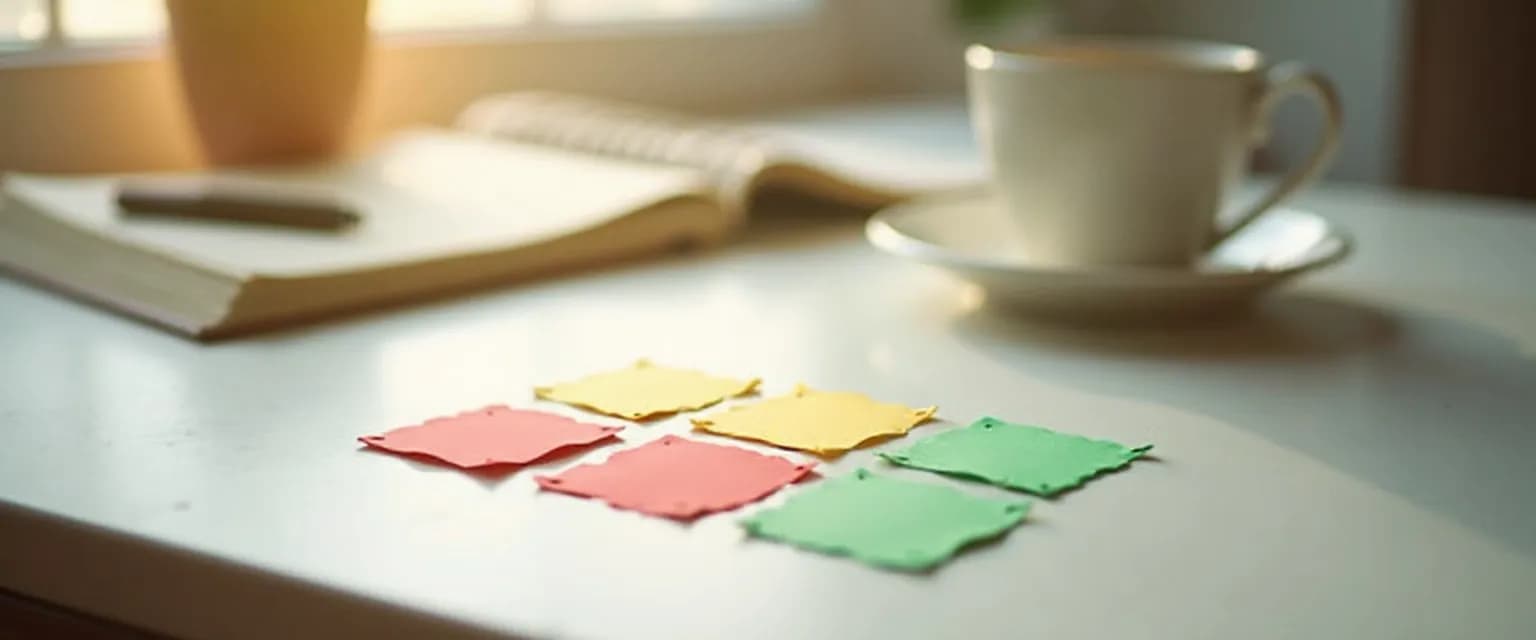
- Use colored sticky notes on your desk or mirror
- Create a color wheel for your wallet or purse
The key to effective anxiety tips is making them easily accessible. Your color system should be something you can check in with throughout the day with minimal effort. This reduces decision fatigue when you're already stressed – you don't have to figure out what to do, you just follow your pre-planned color response.
Responding to Each Color: Targeted Anxiety Tips for Every Level
The real power of color coding comes from developing specific responses for each anxiety level. These targeted anxiety tips create a roadmap for managing stress at every intensity.
Green and Yellow Zone Strategies
When you're in the green zone, focus on maintenance anxiety tips:
- Practice 5 minutes of mindful breathing
- Express gratitude for three specific things
- Take a short nature break
For yellow zone interventions, use these early-response anxiety tips:
- Do a quick body scan to locate tension
- Use the 4-7-8 breathing technique
- Step away from screens for 10 minutes
Orange and Red Zone Interventions
When anxiety reaches the orange zone, implement these stronger anxiety tips:
- Apply the 5-4-3-2-1 grounding technique (identify 5 things you see, 4 you can touch, etc.)
- Step outside for a change of environment
- Use physical movement to release tension
For red zone emergency responses, try these immediate anxiety tips:
- Place your hand on your heart and take 10 slow breaths
- Run cold water over your wrists
- Use the emotional regulation techniques you've practiced when calm
Mastering Your Anxiety with Visual Tracking and Pattern Recognition
The longer you use your color system, the more valuable it becomes. By tracking your colors throughout the week, you'll start noticing patterns – maybe Tuesday afternoons always turn orange, or social events consistently shift you from green to yellow. These insights are among the most powerful anxiety tips you can discover.
This visual data helps you predict and prepare for anxiety triggers rather than just reacting to them. Many people report that simply having these anxiety tips in the form of a color system reduces their overall stress levels – there's comfort in having a plan and knowing exactly what to do when anxiety rises.
Ready to transform your relationship with anxiety? Start with just two colors today – perhaps green and yellow – and build your system gradually. Remember, the best anxiety tips are the ones that work specifically for you, so don't be afraid to adapt this approach to fit your unique needs.



