


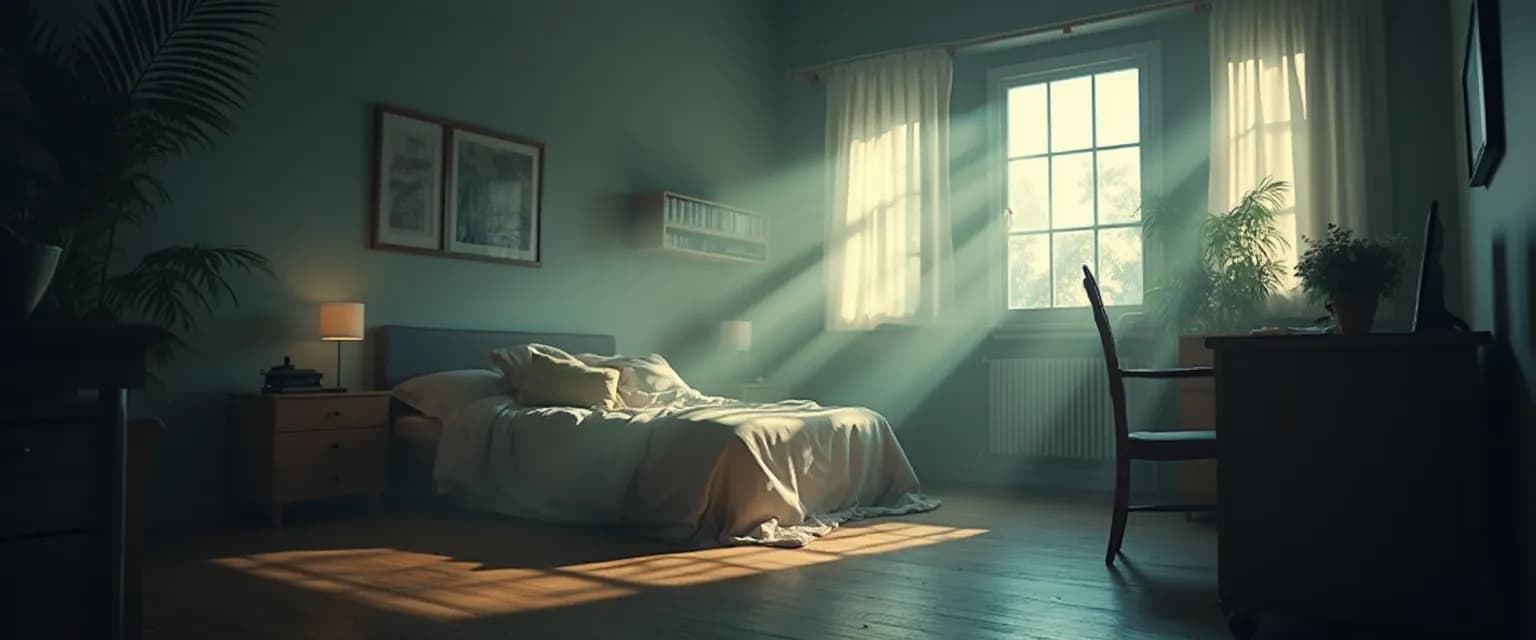
Everyday Causes of Anxiety: How Your Environment Affects Your Brain
Ever noticed how your anxiety seems to spike in certain environments, even when there's no obvious reason? The causes of anxiety aren't always what we expect. While we often focus on psychological factors, our physical surroundings play a surprisingly powerful role in our mental state. Environmental triggers can silently communicate with our brain, activating stress responses without our conscious awareness.
Understanding these hidden causes of anxiety gives us powerful tools for creating more mentally supportive spaces. Research shows that our brains constantly scan environments for potential threats, a primitive survival mechanism that hasn't quite caught up with modern life. These environmental stress reduction techniques offer practical strategies for creating spaces that support rather than undermine your emotional wellbeing.
Let's explore how your surroundings might be secretly triggering anxiety responses and discover simple adjustments that make a significant difference to your mental state.
Common Environmental Causes of Anxiety You Might Be Missing
The most effective causes of anxiety management begins with identifying triggers that fly under our radar. These seemingly innocent aspects of our environment can have profound effects on our nervous system.
Lighting: The Invisible Anxiety Trigger
The quality and type of lighting around you ranks among the top causes of anxiety in modern environments. Harsh fluorescent lighting doesn't just hurt your eyes—it actually increases cortisol production, the body's primary stress hormone. Blue light exposure, especially in the evening, disrupts melatonin production, leading to poor sleep and increased anxiety levels the following day.
Even subtle flickering from aging bulbs can trigger anxiety responses in sensitive individuals, as your brain processes these micro-interruptions as potential threats.
Noise Pollution: The Constant Stress Signal
Background noise represents one of the most underestimated causes of anxiety in daily life. Studies show that even low-level noise pollution increases stress hormones and blood pressure. What's fascinating is that this happens even when we think we've "tuned out" the noise.
Traffic sounds, humming appliances, and even the neighbor's TV create a constant low-grade stress response that accumulates throughout the day, creating mental roadblocks and contributing to anxiety symptoms.
Clutter: The Visual Stress Multiplier
Physical disorganization directly translates to mental disorganization. When your visual field is crowded with objects, your brain must constantly process and filter this information, depleting cognitive resources that could otherwise manage anxiety. Research has identified clutter as one of the significant causes of anxiety, especially in home environments.
Air Quality: The Invisible Anxiety Amplifier
Poor ventilation and air quality trigger physiological stress responses that manifest as anxiety symptoms. Your body's attempt to cope with reduced oxygen or airborne irritants increases heart rate and shallow breathing—physical sensations that mirror and reinforce anxiety states.
Creating Spaces That Reduce Common Causes of Anxiety
Once you recognize these environmental causes of anxiety, you gain power to transform your surroundings into spaces that support emotional wellbeing rather than undermining it.
Lighting Adjustments for Anxiety Relief
Replace harsh overhead lighting with layered, warm light sources at eye level or below. This simple change mimics natural light patterns that your brain associates with safety. For evening hours, amber-colored bulbs or blue light filters on devices signal your brain that it's time to relax, reducing digital stress and supporting healthy sleep cycles.
Creating Sound Sanctuaries
White noise machines, soft background music, or noise-canceling headphones provide effective barriers against anxiety-inducing sounds. Even simple solutions like weatherstripping doors or adding soft furnishings that absorb sound can significantly reduce environmental causes of anxiety.
The 10-Minute Decluttering Method
Start small: clear just one surface that's in your line of sight while working or relaxing. This creates an immediate sense of control and reduces visual processing demands on your brain. The key is consistency rather than overwhelming purges.
Breathing Better: Air Quality Improvements
Opening windows for even 5-10 minutes daily creates air exchange that reduces CO2 buildup—a surprising cause of anxiety and cognitive fog. Indoor plants like snake plants or peace lilies naturally filter air while adding calming natural elements to your space.
Understanding the environmental causes of anxiety empowers you to create spaces that work with your brain rather than against it. These simple adjustments don't just reduce anxiety triggers—they actively support your emotional wellbeing by creating environments that signal safety to your nervous system. By addressing these hidden causes of anxiety in your surroundings, you're building a foundation for better mental health that complements any other strategies you're using.



