


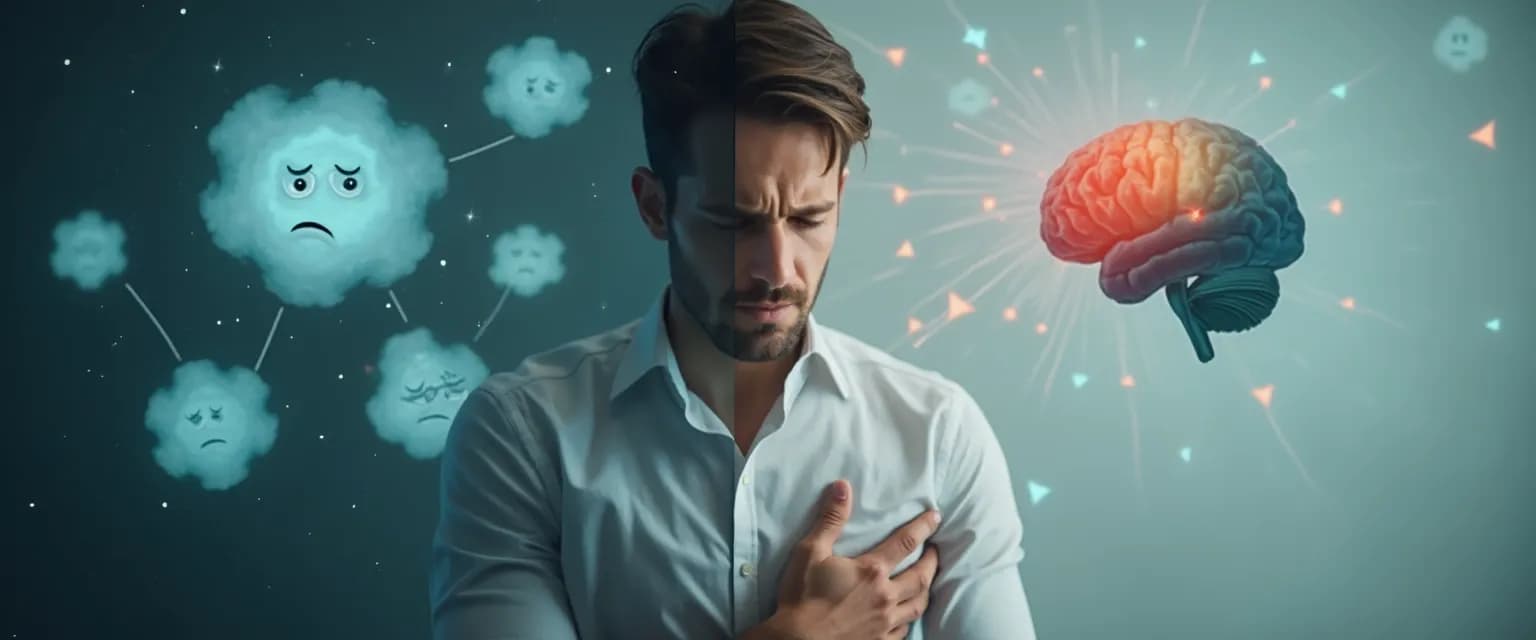
Physical vs. Mental Anxiety Symptoms: Which Signs Are You Missing?
Ever noticed how your heart races before a presentation, or how your mind goes blank during stressful moments? These aren't just random occurrences—they're anxiety symptoms that affect millions daily. What's fascinating is how anxiety manifests beyond the obvious feelings of worry, creating a complex web of physical and mental symptoms that many of us overlook or misattribute to other causes. Understanding these anxiety symptoms is the first step toward managing them effectively.
Anxiety doesn't just live in your thoughts—it's a whole-body experience. When anxiety strikes, your brain triggers your fight-or-flight response, releasing stress hormones that create physical reactions. This biological connection explains why your body's natural response can include everything from digestive troubles to muscle tension. Surprisingly, nearly 40% of people experiencing anxiety symptoms primarily report physical complaints, often without recognizing anxiety as the root cause.
The mind-body connection in anxiety is powerful—and understanding both sides of anxiety symptoms helps you address the full picture rather than just treating disconnected complaints. Ready to discover which signs you might be missing?
Common Physical Anxiety Symptoms You Might Be Dismissing
That persistent stomach discomfort you've been experiencing? It might actually be among the most common physical anxiety symptoms. Your digestive system contains millions of nerve connections to your brain, making it particularly responsive to anxiety. This explains why symptoms like nausea, digestive issues, and that "knot in your stomach" feeling frequently accompany anxious states.
Muscle tension represents another frequently overlooked category of anxiety symptoms. When your body stays in a prolonged state of alertness, muscles remain contracted, leading to pain, stiffness, and even chronic tension headaches. Many people treat these as isolated physical problems rather than recognizing them as manifestations of anxiety.
Cardiovascular anxiety symptoms extend beyond the obvious racing heart. Chest tightness, slight breathing difficulties, and even temperature changes can all signal anxiety. These symptoms often prompt concerns about serious health conditions, creating a cycle where worry about the symptoms actually intensifies the anxiety causing them.
Sleep disruptions constitute some of the most impactful physical anxiety symptoms. Difficulty falling asleep, middle-of-the-night waking, or unrefreshing sleep often stem from an anxious mind that can't fully relax. These disruptions then create a vicious cycle, as sleep deprivation makes managing anxiety symptoms even more challenging the following day.
Mental Anxiety Symptoms That Aren't Just 'Worrying'
While excessive worry represents the most recognized mental anxiety symptom, cognitive manifestations extend far beyond simple concern. Many people experience significant changes in their thinking patterns without connecting these shifts to anxiety. For instance, difficulty concentrating during important tasks often gets attributed to external distractions rather than recognized as an anxiety symptom.
Irritability and mood fluctuations frequently accompany anxiety but get misinterpreted as personality traits or reactions to circumstances. That short fuse or emotional sensitivity might actually signal that your nervous system is operating in a heightened state due to anxiety.
Memory issues constitute particularly frustrating mental anxiety symptoms. When your mind is preoccupied with anxious thoughts, it has fewer resources for forming and retrieving memories. Many people worry these lapses signal cognitive decline when they're actually mental blocks related to anxiety.
Perfectionism and overthinking often mask as productivity strategies when they're actually anxiety symptoms in disguise. The need to control outcomes, excessive planning, and inability to tolerate uncertainty all reflect the mind's attempt to manage anxious feelings through over-preparation and control.
Recognizing Your Unique Anxiety Symptoms Pattern
Everyone experiences anxiety symptoms differently, with some people primarily noticing physical manifestations while others experience mostly mental effects. Take a moment to reflect: When you're feeling stressed, do you tend to get headaches and stomach issues, or does your mind race with worst-case scenarios?
Understanding your personal anxiety pattern helps you catch symptoms earlier. Notice how seemingly unrelated complaints—like weekend headaches or irritability during certain activities—might actually connect to anxiety triggers in your life.
Managing anxiety symptoms effectively requires addressing both mental and physical manifestations. Simple techniques like deep breathing directly impact your body's stress response, while mindfulness practices help interrupt unhelpful thought patterns. Recognizing your complete anxiety symptoms profile empowers you to respond with the right strategies at the right time, creating a more balanced approach to managing anxiety in your everyday life.



