


7 Powerful Ways GriefShare Support Groups Benefit Children's Healing
When a child experiences loss, their grief journey differs significantly from adults. Children process emotions differently, often lacking the vocabulary to express complex feelings that accompany grief. This is where a specialized griefshare support group designed for younger participants makes all the difference. GriefShare Junior programs provide tailored approaches that address the unique needs of children navigating the confusing terrain of loss. These programs recognize that children's grief often manifests in behaviors rather than words, requiring specialized techniques to help them process their feelings in healthy ways.
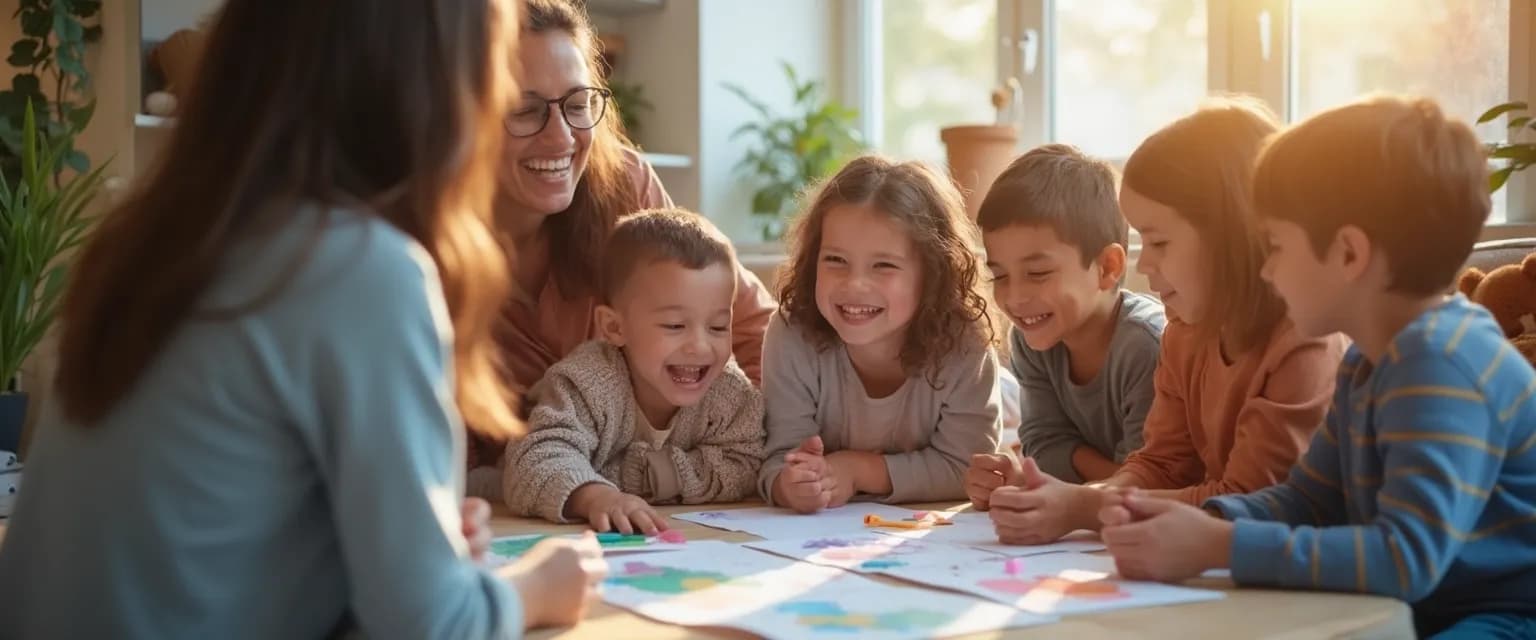
The best griefshare support group programs for children create environments where young people feel safe to express their emotions without judgment. Unlike standard grief support, junior programs utilize age-appropriate activities, games, and creative expression to help children understand and process their feelings. These specialized approaches make grief concepts accessible to developing minds, providing tools for managing overwhelming emotions that might otherwise manifest as behavioral issues or developmental setbacks.
Children who participate in griefshare support group activities specifically designed for their developmental stage show remarkable resilience and emotional growth. Let's explore seven significant ways these programs benefit grieving children.
How GriefShare Support Groups Create Safe Spaces for Children's Emotional Expression
The first major benefit of a junior griefshare support group is the creation of a structured environment where expressing difficult emotions becomes normalized. Children often fear their feelings are "wrong" or that displaying sadness might upset the adults around them. GriefShare Junior programs establish that all emotions are valid, giving children permission to express their full range of feelings.
Secondly, griefshare support group techniques for children incorporate age-appropriate activities that transform abstract grief concepts into tangible experiences. Through art projects, storytelling, and play therapy, children can externalize and process emotions they might struggle to verbalize. These activities provide concrete ways for children to understand and work through complex feelings.
The third critical benefit comes from trained facilitators who understand both child development and grief processes. These professionals know how to guide children through grief in ways that respect their cognitive and emotional capabilities. They recognize that children may express grief through anger or regression and can provide appropriate support rather than misinterpreting these as behavioral problems.
Research consistently shows that emotional expression plays a fundamental role in healing from loss. For children, who often lack the vocabulary to articulate their feelings, griefshare support group activities provide alternative channels for expression. Through drawing, movement, or symbolic play, children can release emotions that might otherwise become trapped, leading to long-term emotional complications.
Building Connections Through GriefShare Support Group Community
The fourth significant benefit comes from peer connections with others who understand the grief journey. Children often feel isolated in their loss, believing no one understands what they're experiencing. Within a griefshare support group community, they discover they're not alone, which provides immense comfort and validation.
Fifth, these programs dramatically reduce isolation by fostering the crucial "I'm not alone" realization. When children see peers facing similar challenges, their sense of being "different" diminishes. This normalization is powerful medicine for the social isolation that often accompanies childhood grief.
The sixth benefit involves developing communication skills about difficult emotions. Through guided interactions in griefshare support group sessions, children learn vocabulary and methods for expressing their feelings appropriately. These skills extend far beyond grief, providing foundations for emotional intelligence that benefit all areas of life.
Finally, children gain tools for building resilience that last beyond the program. Effective griefshare support group activities teach coping mechanisms that strengthen children's ability to navigate future challenges. These resilience skills become part of their emotional toolkit for life, helping them face adversity with greater confidence.
Joining a GriefShare Support Group: Next Steps for Your Child's Healing Journey
Recognizing when a child might benefit from a griefshare support group is the first step toward healing. Signs include persistent behavioral changes, sleep disturbances, declining school performance, or withdrawal from previously enjoyed activities. When these symptoms persist beyond several weeks after a loss, specialized support often proves beneficial.
Before attending your first session, prepare your child by explaining what to expect in age-appropriate terms. Emphasize that this is a place where they'll meet other children who have experienced similar losses and engage in activities that might help them feel better. Many griefshare support group programs offer orientation materials specifically designed to ease this transition.
The long-term benefits of early grief intervention can't be overstated. Children who receive appropriate support during times of loss develop healthier coping mechanisms and emotional processing skills that serve them throughout life. Finding the right griefshare support group for your child represents an investment in their lifelong emotional wellbeing.



