


GriefShare Grief Recovery Support Groups: Why Social Healing Works Better
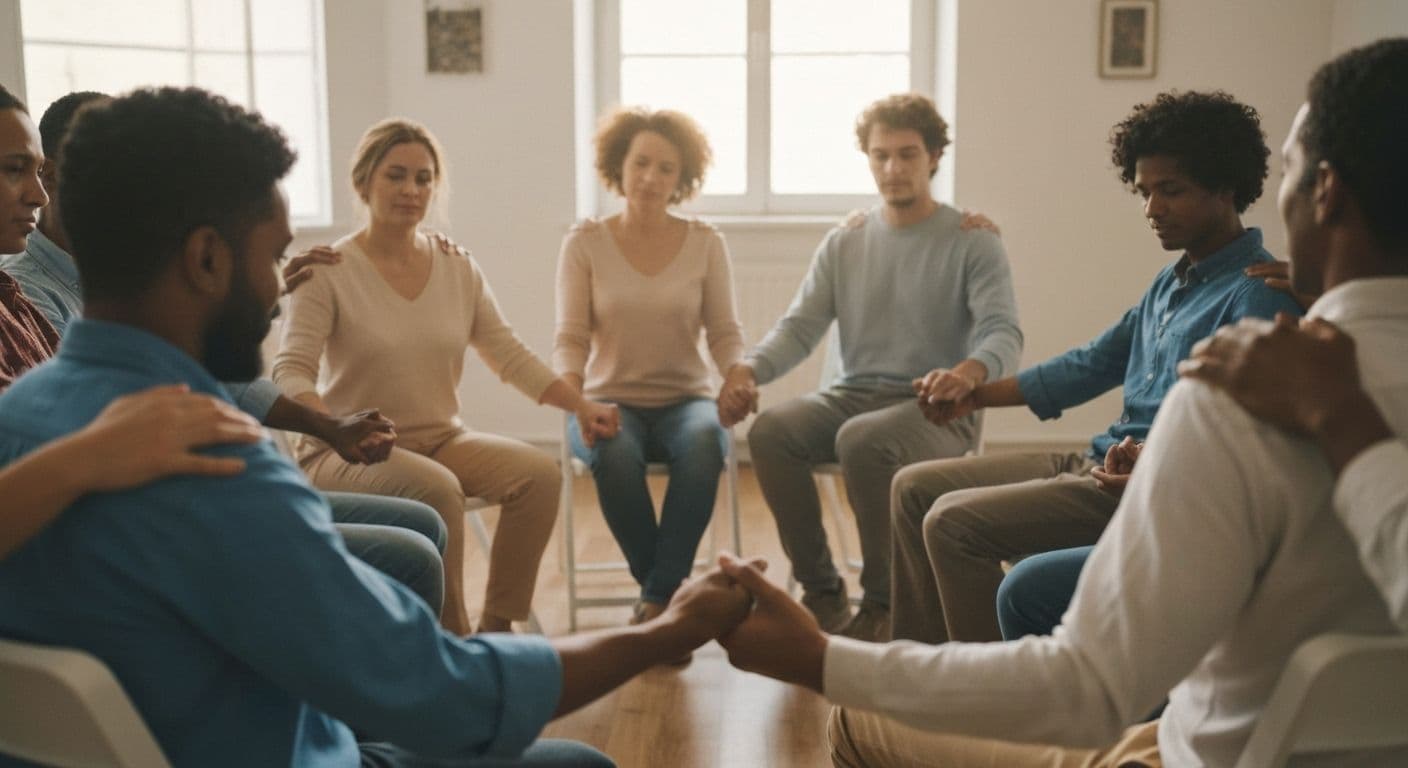
Picture this: Two people experiencing profound loss. One sits alone at home, scrolling through old photos, wrestling with waves of emotion in silence. The other drives to a weekly meeting where others who understand the weight of grief gather to share, listen, and heal together. Six months later, the difference in their healing trajectories is striking. The second person has found ways to move forward, not because their grief is less valid, but because griefshare grief recovery support groups create powerful conditions for social healing that solitary mourning simply cannot replicate.
Here's what might surprise you: Research consistently shows that people who participate in group-based grief recovery progress through grief stages more effectively than those who mourn alone. This isn't about replacing private reflection—it's about harnessing the unique psychological mechanisms that activate when we share our most vulnerable moments with others who truly understand. The science behind griefshare grief recovery support groups reveals why collective healing accelerates emotional processing in ways that individual mourning cannot.
Understanding these mechanisms helps us recognize that reaching out for group support isn't a sign of weakness—it's a strategic choice that aligns with how our brains are wired for social connection and emotional regulation.
The Science Behind GriefShare Grief Recovery Support Groups and Shared Healing
Your brain contains specialized mirror neurons that activate not just when you experience emotions, but when you witness others processing similar feelings. In griefshare grief recovery support groups, this neurological response creates a powerful healing environment. When you watch another group member express their pain and begin working through it, your mirror neurons light up, essentially allowing you to practice emotional processing alongside them.
This shared healing experience provides something critical that individual mourning lacks: validation. When someone in your grief support groups nods knowingly as you describe your experience, or when they share a story that mirrors your own, your brain receives confirmation that your feelings are normal and understood. This validation reduces the psychological burden of grief by counteracting the isolation that often intensifies suffering.
Neurological Basis of Empathy in Groups
The collective emotional processing that happens in effective griefshare grief recovery support groups creates what psychologists call "emotional co-regulation." When you're struggling with overwhelming feelings, being in a room with others who maintain calm presence helps your nervous system find balance. Their regulated state literally helps regulate yours—a phenomenon that doesn't occur when you're mourning alone.
Studies examining grief recovery outcomes show that participants in group settings typically move through grief stages with greater momentum than those processing loss individually. The best griefshare grief recovery support groups normalize the entire spectrum of grief experiences, from anger to guilt to unexpected moments of laughter. This normalization dismantles the shame that often accompanies "difficult" emotions during mourning.
Validation as a Healing Mechanism
When you share your story in a supportive group environment, you're not just talking—you're reorganizing the narrative of your loss in your brain. This verbal processing, witnessed by empathetic listeners, helps integrate the reality of loss in ways that silent rumination cannot achieve. The griefshare grief recovery support groups framework provides structure for this storytelling process, guiding participants through effective emotional processing techniques.
How GriefShare Grief Recovery Support Groups Break Through Emotional Stagnation
One of the most powerful aspects of group grief healing is witnessing others at different stages of their journey. When you're in the depths of early grief, seeing someone six months ahead who's rediscovering joy provides tangible hope. These living examples of healing demonstrate that forward movement is possible, even when it feels impossible in your current state.
The storytelling that happens in grief recovery groups serves a profound purpose. As you construct and share your narrative, you're actively making sense of your loss. Other members' responses help you see aspects of your experience from new angles, breaking through the repetitive thought patterns that often trap people in emotional stagnation. This is the power of reframing in action.
Peer Modeling Effects
Griefshare grief recovery support groups create natural accountability. When you commit to showing up weekly, you're creating momentum that carries you forward even on difficult days. Group members notice your progress and gently encourage continued engagement, providing external motivation when internal drive wavers.
Perhaps most importantly, these groups demonstrate healthy coping strategies through peer modeling. When you see someone successfully navigate a grief trigger using a specific technique, you're more likely to try it yourself. This social learning accelerates the adoption of effective emotional processing strategies.
Breaking Isolation Patterns
Group environments also reduce shame and self-judgment. Hearing others express thoughts you believed were "wrong" or "too much" helps you release harsh self-criticism. This compassionate atmosphere, facilitated through griefshare grief recovery support groups techniques, creates permission to feel everything without judgment.
Making GriefShare Grief Recovery Support Groups Work for Your Healing Journey
Let's be real: Walking into your first grief support group feels uncomfortable. Sharing vulnerable emotions with strangers contradicts every instinct to protect yourself. But this discomfort transforms into connection, and that connection becomes the foundation for profound healing. The initial awkwardness is temporary; the benefits are lasting.
To get the most from griefshare grief recovery support groups, commit to regular attendance even when you don't feel like going. Show up authentically rather than presenting a brave face. Listen actively to others' experiences, recognizing that witnessing their healing contributes to your own. These practical griefshare grief recovery support groups tips help maximize your group experience.
Remember, social healing enhances rather than replaces individual processing. You'll still have private moments of reflection and personal emotional work. Group participation amplifies this individual work by providing validation, perspective, and collective wisdom.
Reaching out to join a grief support group demonstrates strength, not weakness. It shows you understand that humans heal best in connection with others. Ready to take that next step? The griefshare grief recovery support groups community is waiting to walk this difficult journey alongside you, proving that while grief is universal, you never have to carry it alone.



