


Healing with Grief Prompts: Creating a Memory Box for Processing Loss
When grief wraps itself around your heart, finding a way to process those complex emotions becomes essential for healing. While talking and journaling work for some, grief prompts that engage your senses offer a powerful alternative path through loss. Creating a memory box filled with tactile grief prompts provides a physical space to honor your connection with someone special while engaging multiple senses in your healing journey. Research shows that sensory experiences activate different parts of the brain than verbal processing alone, creating new pathways for emotional processing that can help you navigate the waves of grief.
A grief memory box serves as both a sanctuary and a toolkit—a place to store meaningful items that prompt memories, emotions, and reflection when you're ready to engage with them. Unlike written grief prompts that rely solely on words, these tangible objects create a multi-sensory experience that honors the full spectrum of your relationship and loss. They become physical anchors for your emotions, providing concrete ways to connect with memories when words feel inadequate.
The beauty of tactile grief prompts is their accessibility. When emotions surge unexpectedly, having a dedicated space with meaningful objects offers immediate comfort and grounding. Your memory box becomes a companion on your healing journey, ready whenever you need its unique grief prompts to help process your feelings.
Creating Your Personal Grief Prompts Memory Box
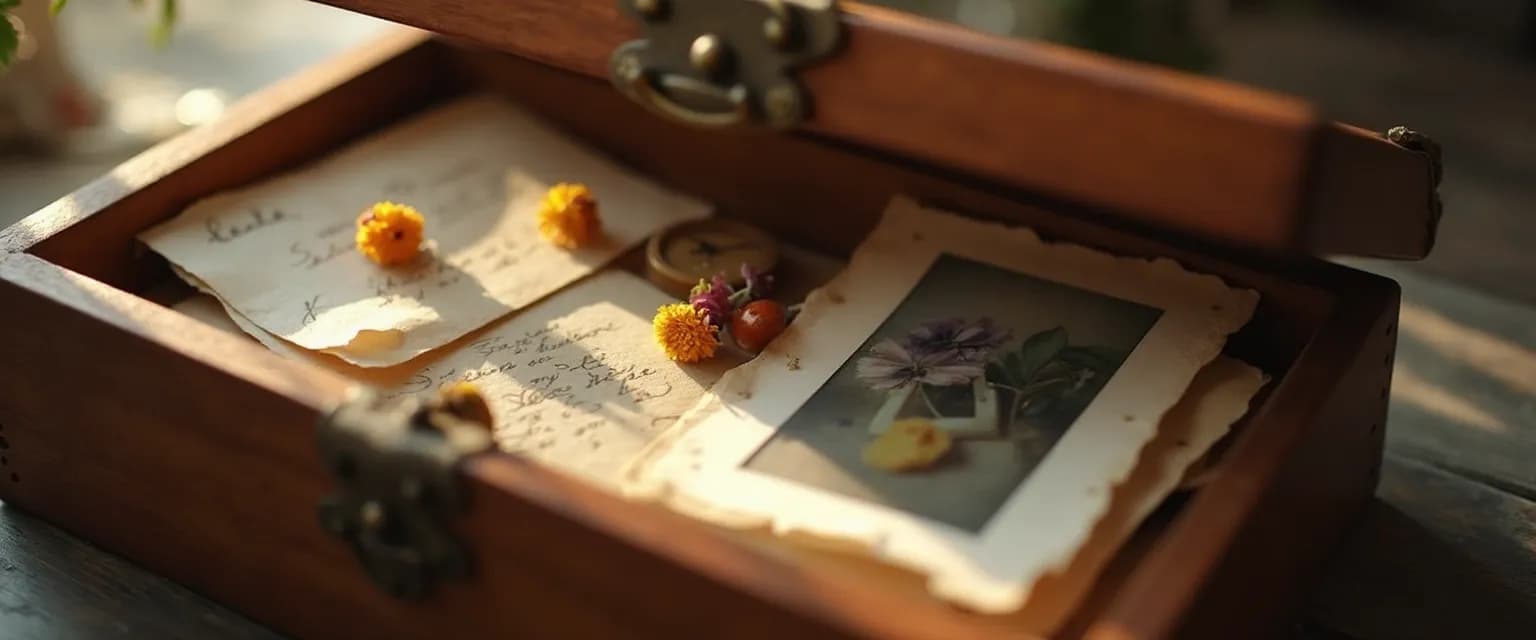
The first step in creating effective grief prompts through a memory box is selecting the right container. Choose something that feels meaningful—perhaps a wooden box with special significance, a decorative container that reflects the personality of your loved one, or even a simple shoebox you've decorated. The container itself becomes part of the healing process, a physical boundary that both protects and honors your grief prompts collection.
Now for the heart of your memory box: the items that will serve as tactile grief prompts. Consider including:
- Clothing items with familiar scents or textures
- Photographs that capture special moments
- Handwritten notes or cards
- Small objects that represent shared experiences
- Music or recordings that evoke powerful memories
Each item serves as a unique entry point to your memories and emotions. The most effective grief prompts connect to specific moments or qualities you want to remember. For example, a coffee mug might represent morning conversations, while a ticket stub recalls a special outing together.
Consider organizing your memory box in a way that feels intuitive. Some people create sections for different types of memories, while others prefer a more organic arrangement. There's no wrong approach—your grief prompts should feel authentic to your relationship and personal connection. The process of selecting and arranging these items becomes a meaningful ritual itself, allowing you to reflect on the relationship in its entirety.
Using Grief Prompts to Navigate Your Healing Journey
The power of your memory box lies not just in creating it, but in how you interact with these grief prompts over time. When emotions surface unexpectedly, your collection provides tangible ways to engage with feelings that might otherwise seem overwhelming. Holding an object, breathing in a familiar scent, or looking at a photograph creates a focused point of connection that can help process complex emotions.
Consider setting aside dedicated time with your grief prompts when you feel ready. This might be on significant dates, when memories feel particularly strong, or simply when you sense the need to connect. There's no schedule for grief—your memory box is available whenever you need its healing support.
Many find it helpful to combine these tactile grief prompts with other practices. You might hold a meaningful object while practicing mindfulness techniques, creating a powerful combination for processing emotions. Or perhaps certain items prompt conversations with trusted friends, opening doors to shared memories and support.
As your grief journey evolves, so too might your memory box. You may add new items as additional memories surface or as you discover new grief prompts that resonate with your experience. Some items might gradually spend more time outside the box, finding places in your everyday life as symbols of continuing bonds rather than acute grief.
Remember that effective grief prompts aren't about "moving on" but rather about integrating your loss into your life story. Your memory box creates space for this integration, honoring both the pain of loss and the enduring significance of your connection. Through these tangible grief prompts, you create pathways for healing that acknowledge the full complexity of loving and losing someone special.



