


How Teachers Can Use Grief Share Books to Support Grieving Students
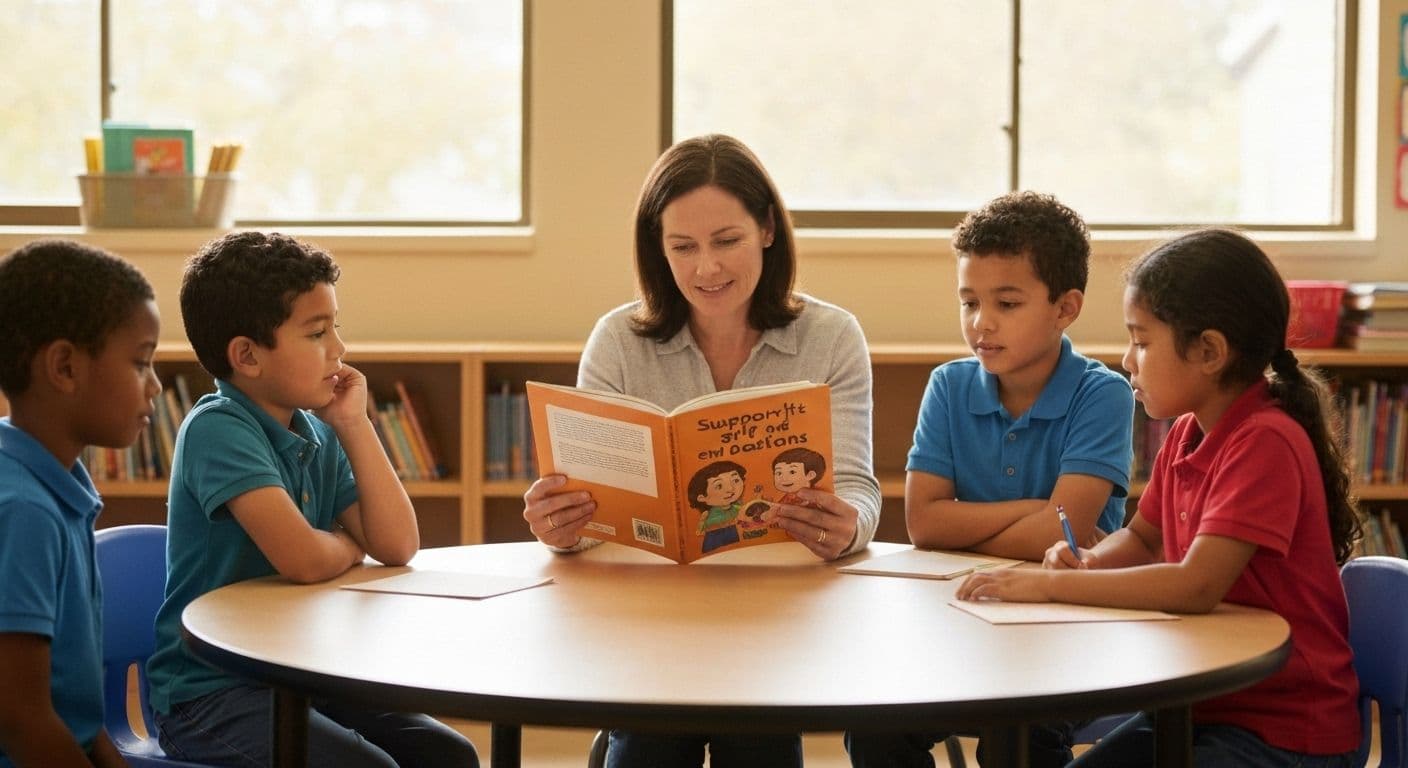
When a student experiences loss, the classroom transforms from a space of learning into a landscape where grief and education intersect. Teachers witness the profound impact—the vacant stare during lessons, the withdrawn behavior at recess, the sudden emotional outbursts that seem to come from nowhere. Grief share books offer educators a tangible bridge between providing compassionate support and maintaining the classroom community that every student needs to thrive.
These carefully crafted resources serve as more than just reading material. Grief share books create openings for difficult conversations, validate complex emotions, and show grieving students they're not alone in their experience. As educators face increasing expectations to support the whole child, having practical tools like grief share books becomes essential rather than optional. The right book at the right moment helps students process loss while giving teachers a framework for navigating emotional responses in educational settings.
What makes grief share books particularly valuable is their ability to normalize grief without requiring students to share personal details before they're ready. This gentle approach respects individual processing timelines while building classroom understanding around loss.
Selecting the Right Grief Share Books for Your Classroom
Choosing appropriate grief share books starts with understanding your students' developmental stages. Elementary students benefit from grief share books featuring concrete imagery and simple narratives about pet loss or grandparent death. Middle schoolers connect with stories exploring friendship loss and family changes, while high school students engage with grief share books tackling complex themes like suicide, divorce, and identity loss.
The best grief share books address diverse loss experiences—not just death, but also moves, divorce, incarceration, and serious illness. Look for narratives that reflect your students' cultural backgrounds and family structures. A classroom library stocked with varied grief share books ensures every student can find themselves reflected in the pages.
Evaluation criteria matters tremendously. Effective grief share books present hope without minimizing pain, acknowledge that grief doesn't follow timelines, and avoid suggesting there's a "right way" to grieve. They should feature characters modeling healthy coping mechanisms while validating the messy reality of loss.
Collaborating with school librarians and counselors strengthens your grief share books collection. These professionals often have training in bibliotherapy and can recommend titles you might miss. They'll help you build a comprehensive collection of grief share books that addresses everything from anticipatory grief to complicated loss situations.
Creating Safe Spaces with Grief Share Books in the Classroom
Recognizing when a student needs support from grief share books requires attentiveness to behavioral changes. Watch for declining grades, social withdrawal, increased irritability, or physical complaints. These signs suggest a student might benefit from accessing grief share books and additional resources.
Before introducing grief share books, establish classroom norms that make discussing them feel safe and voluntary. Emphasize that sharing personal experiences is always optional. Students can engage with grief share books through listening, creating art responses, or private reflection—participation doesn't require public disclosure.
Using grief share books as conversation starters works best with open-ended questions: "What did you notice about how this character handled their feelings?" or "Which part of this story felt most realistic to you?" These prompts invite discussion without demanding personal revelations. This approach supports emotional processing while respecting boundaries.
Practical activities extend the impact of grief share books beyond reading time. Try small-group discussions where students explore themes, art projects where they illustrate meaningful scenes, or reflection exercises where they write letters to characters. These low-pressure activities let students engage at their comfort level.
Know when grief share books aren't enough. If a student shows signs of severe depression, mentions self-harm, or exhibits prolonged inability to function, coordinate immediately with school counselors for more intensive support.
Integrating Grief Share Books Into Your Long-Term Support Strategy
Making grief share books a natural classroom element—not crisis-only resources—normalizes conversations about loss. Include them in your regular read-aloud rotation and make them visible in your classroom library. This accessibility signals that grief is a natural part of life worth discussing.
Following up matters. After introducing grief share books, check in with students individually. A simple "How are you doing with what we read?" opens doors for students who need more support. These brief conversations demonstrate ongoing care while helping you assess whether additional intervention is needed.
Communicating with parents about grief share books builds home-school partnerships. Send a brief note explaining which books you're using and why, emphasizing that these resources support all students in developing empathy and emotional awareness. This transparency prevents surprises and invites parents to continue conversations at home.
Building confidence in facilitating discussions around grief share books takes practice. Start with books addressing less intense losses, gradually working toward more complex themes as your comfort grows. Remember that your role isn't to fix grief—it's to create space for students to process their experiences safely.
Ready to take the next step toward becoming a more emotionally supportive educator? Integrating grief share books into your classroom toolkit equips you to meet students' needs during their most vulnerable moments, creating a learning environment where emotional well-being and academic growth happen together.



