


How to Talk to Your Children About Losing a Sibling - Aunt or Uncle
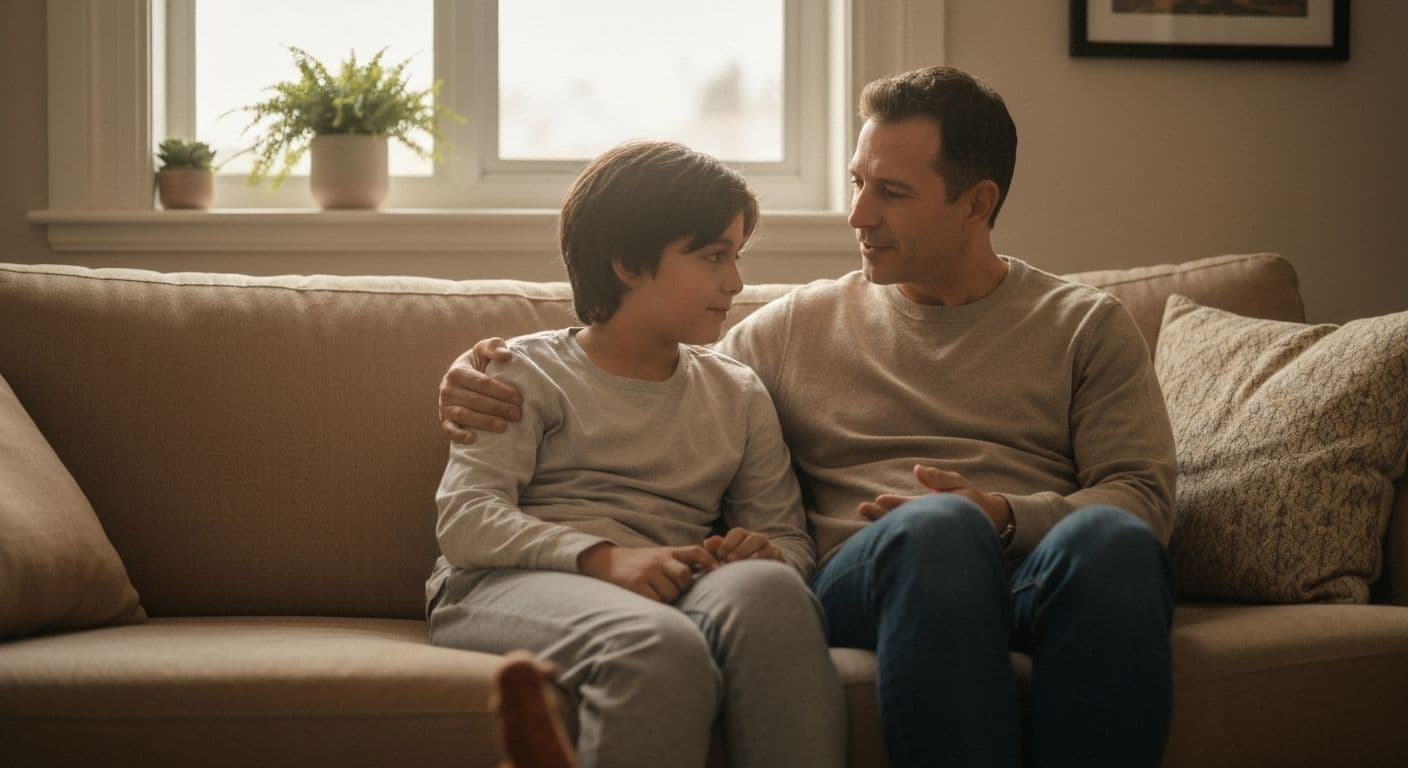
When you're losing a sibling, the weight of that grief becomes even more complex when you realize you need to talk to your children about losing their aunt or uncle. You're navigating your own heartbreak while simultaneously being the person your kids look to for stability and answers. This dual reality—processing profound loss while parenting through it—can feel overwhelming, and that's completely understandable.
The truth is, losing a sibling creates a unique emotional landscape. Your brother or sister was woven into your life story in ways that are difficult to articulate, and now you're tasked with helping your children understand why their aunt or uncle won't be at family gatherings anymore. You don't need to have all the answers or be perfectly composed. What matters is creating space for honest, age-appropriate conversations that honor both your grief and your children's need for understanding.
Managing your emotions while guiding children through loss is absolutely possible with the right approach. This guide offers practical strategies for having these difficult conversations, supporting your children's grief journey, and honoring your sibling's memory—all while taking care of yourself in the process.
Age-Appropriate Ways to Explain Losing a Sibling to Your Children
The language you use when you talk to your children about death matters enormously. For young children ages 3-6, concrete and simple explanations work best. Avoid euphemisms like "sleeping forever" or "went away," which create confusion and sometimes fear. Instead, try: "Aunt Sarah's body stopped working, and she died. That means we won't see her anymore, but we can remember her."
School-age children (7-12) can grasp the permanence of death but need reassurance about their own safety and yours. When explaining to children in this age group after losing a sibling, be more detailed: "Uncle Mike had a serious illness that made his heart stop working. The doctors tried to help, but they couldn't fix it. It's very rare, and it's not something that will happen to you or me."
Teenagers benefit from honest conversations that acknowledge both their grief and yours. They're developmentally capable of understanding complex emotions and may even want to support you. Share openly: "I'm struggling with losing my brother, and I know you're hurting too. Let's figure out how to get through this together."
Creating a safe space means welcoming all questions, even the ones that catch you off-guard. Children might ask, "Will you die too?" or "Why didn't the doctors save them?" These questions aren't meant to hurt—they're how kids process difficult information. Taking a moment to collect yourself before answering is perfectly acceptable. Similar to managing family stress dynamics, acknowledging emotions helps everyone feel heard.
Managing Your Own Grief While Supporting Children After Losing a Sibling
Here's something important: showing your children that you're sad about losing a sibling teaches them that grief is normal and healthy. You don't need to hide in the bathroom to cry. Instead, model healthy emotional expression: "I'm feeling really sad right now because I miss my sister. It's okay to feel sad when someone we love dies."
When emotions feel overwhelming during a conversation with your children, use quick breathing techniques to steady yourself. Try the 4-4-4 breath: inhale for four counts, hold for four, exhale for four. This micro-moment of self-regulation helps you stay present without suppressing your feelings.
Interestingly, your children's questions about their aunt or uncle can actually help you process your own grief differently. When your daughter asks, "What was Uncle Tom's favorite food?" you're invited to remember joyful details rather than staying stuck in loss. These conversations become opportunities for emotional processing for both of you.
Balance vulnerability with reassurance. It's healthy for children to see you grieve, but they also need to know you're still their steady, reliable parent. Try: "I'm very sad about Aunt Jennifer, and sometimes I might cry. But I'm still here to take care of you, make your meals, and tuck you in at night. My sadness doesn't change how much I love you."
Honoring Your Sibling's Memory Through Family Stories and Rituals
Sharing stories about your sibling helps children remember their aunt or uncle's personality and the love they shared. Keep these age-appropriate and positive: "Your Uncle David always made the silliest faces to make you laugh when you were a baby. He loved seeing you smile." These narratives keep your sibling's presence alive in your family's collective memory.
Create simple memory rituals that everyone can participate in. Looking at photos together on your sibling's birthday, planting a tree in their honor, or cooking their favorite meal as a family gives grief a container. These activities don't need to be elaborate—consistency matters more than complexity.
Encourage children to express their feelings through drawing, play, or sharing their favorite memories. A five-year-old might draw a picture of their aunt, while a teenager might want to wear their uncle's favorite sports team jersey. All expressions of grief are valid.
Use these moments to process your own experience of losing a sibling while building connection with your children. When you share, "I remember when your aunt and I were kids, we used to..." you're not just preserving memories—you're showing your children how to carry love forward even after loss.
Remind children that keeping memories alive honors the special bond their aunt or uncle had with them. This reframes grief from purely painful to purposeful, helping everyone understand that love doesn't end when life does.



