


Losing a Sibling: Creating Meaningful Rituals With Their Belongings
When you're facing the overwhelming task of sorting through your sibling's belongings after losing a sibling, every item feels like a precious connection you can't bear to release. That worn sweatshirt, those concert tickets, even the random collection of keychains—suddenly everything carries profound weight. This emotional pull is completely natural, yet it creates a genuine dilemma: how do you honor your sibling's memory without turning your home into a shrine that prevents you from moving forward?
The truth is, meaningful remembrance doesn't require keeping everything. After losing a sibling, many people feel paralyzed by guilt when considering what to keep and what to let go. You might worry that releasing physical items means somehow diminishing your love or allowing memories to fade. But here's what grief research tells us: your relationship with your sibling lives in your heart and mind, not in storage boxes.
This guide offers practical strategies for navigating this emotional process. There's no single "right way" to handle your sibling's possessions, but having a thoughtful approach helps you create meaningful rituals without overwhelming your living space. Ready to explore how you can honor your sibling while building a path forward?
Why Losing a Sibling Makes Their Belongings Feel Sacred
Siblings share a unique bond that often spans your entire lifetime. You grew up together, witnessed each other's transformations, and built a shared history that no one else fully understands. When you're grieving a sibling, their belongings become tangible evidence that they existed, that your relationship was real, and that the memories you cherish actually happened.
Neuroscience research on grief reveals that physical objects associated with lost loved ones activate the same brain regions involved in social connection and emotional memory. This explains why holding your sibling's favorite jacket can feel like maintaining a connection with them. These items serve as "transitional objects" that help your brain process the reality of loss while preserving emotional bonds.
The Psychology of Attachment to Belongings
After losing a sibling, your brain associates their possessions with their presence. This creates what psychologists call "symbolic immortality"—the belief that keeping their things keeps part of them alive. Understanding this mechanism helps you recognize that these feelings are normal responses to sibling loss, not something you need to overcome immediately.
Fear of Forgetting After Sibling Loss
Many people worry that releasing physical items means losing memories forever. This fear intensifies the emotional attachment to possessions, making every sorting decision feel impossibly significant. However, memory research shows that your most meaningful recollections exist independently of physical objects. The stories, inside jokes, and emotional experiences you shared remain accessible whether or not you keep every belonging. Learning strategies for managing difficult emotions helps you navigate this process with greater clarity.
Practical Strategies for Sorting Your Sibling's Possessions After Loss
When you're ready to begin sorting through your sibling's belongings, having a structured approach prevents overwhelm and reduces decision fatigue. The "Three Categories" method offers a compassionate framework: Keep, Share, and Release with Intention. This system acknowledges that different items serve different purposes in your healing journey.
The Category Sorting Method
Start by selecting items for each category thoughtfully. The "Keep" category should focus on quality over quantity—choose pieces that genuinely bring comfort or represent significant shared experiences. This might include a favorite book, a meaningful piece of jewelry, or an item that captures your sibling's personality perfectly. Set realistic limits based on your available space and emotional capacity.
The "Share" category recognizes that others loved your sibling too. Distributing meaningful items to family members, close friends, or your sibling's children creates multiple living memorials. This approach honors different relationships while preventing any single person from bearing the entire emotional weight of preservation.
Digital Preservation Techniques
For items you can't physically keep, digital archives offer a powerful solution. Photograph clothing, artwork, collections, or handwritten notes. These digital memories take up zero physical space while preserving visual connections. Consider creating organized folders by category or time period, making these archives easy to revisit when you want to feel close to your sibling. Developing healthy coping mechanisms supports you through this emotionally demanding process.
Family Involvement Strategies
Involving other family members in sorting decisions reduces individual burden and honors different perspectives on what matters most. Schedule dedicated time together, share stories about specific items, and allow everyone's voice to be heard. This collaborative approach transforms sorting from a solitary burden into a shared experience of remembrance.
Creating Meaningful Rituals to Honor Your Sibling's Memory
After losing a sibling, the items you choose to keep deserve intentional placement in your life. Transform selected belongings into functional keepsakes you'll actually use rather than items that gather dust in storage. Wear that necklace, display that artwork, or use that coffee mug. These everyday interactions keep your sibling present in natural, comforting ways.
Memory Box Curation
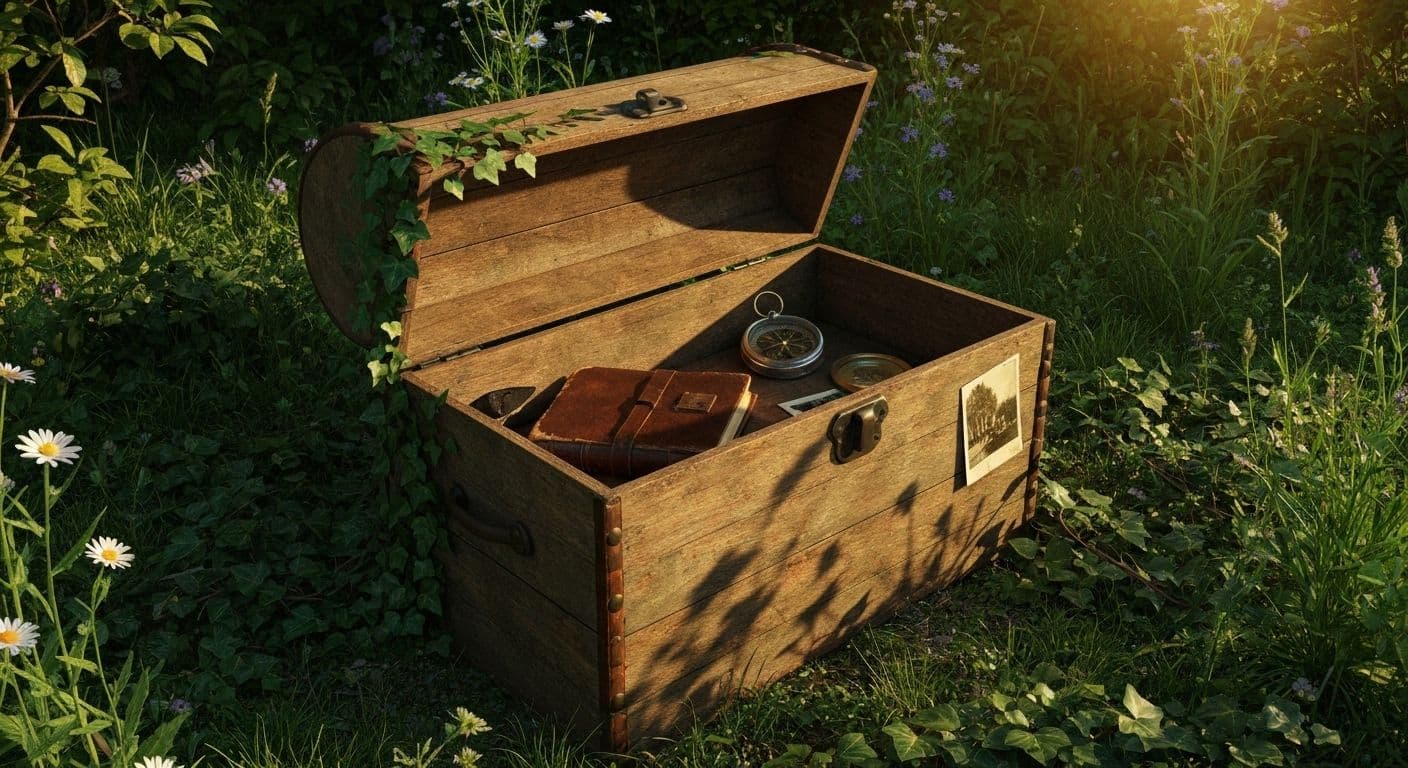
Create a thoughtfully curated memory box containing a small collection of items that tell your sibling's story. Include photographs, ticket stubs from shared experiences, a handwritten note, and perhaps one or two small personal items. This concentrated collection becomes a treasure you can revisit during difficult moments without requiring an entire room for storage.
Sharing with Others
Distributing meaningful items to people who loved your sibling creates ripples of remembrance across multiple lives. When you give your sibling's best friend their favorite book or donate their professional clothing to someone starting a career, you're extending their positive impact beyond their lifetime. These acts of sharing honor who they were while helping others.
Establish annual rituals that celebrate your sibling's memory without requiring physical possessions. Visit a meaningful location together with family, support a cause they cared about, or simply gather to share favorite stories. Building stronger family connections through these rituals creates ongoing meaning.
Remember, after losing a sibling, the most meaningful remembrance lives in how you carry their influence forward—in your choices, your relationships, and the values you continue to honor. Physical belongings support this process, but they're not the foundation of your connection.



