


Pet Grief and Attachment Objects: Why Your Pet's Bowl Still Hurts
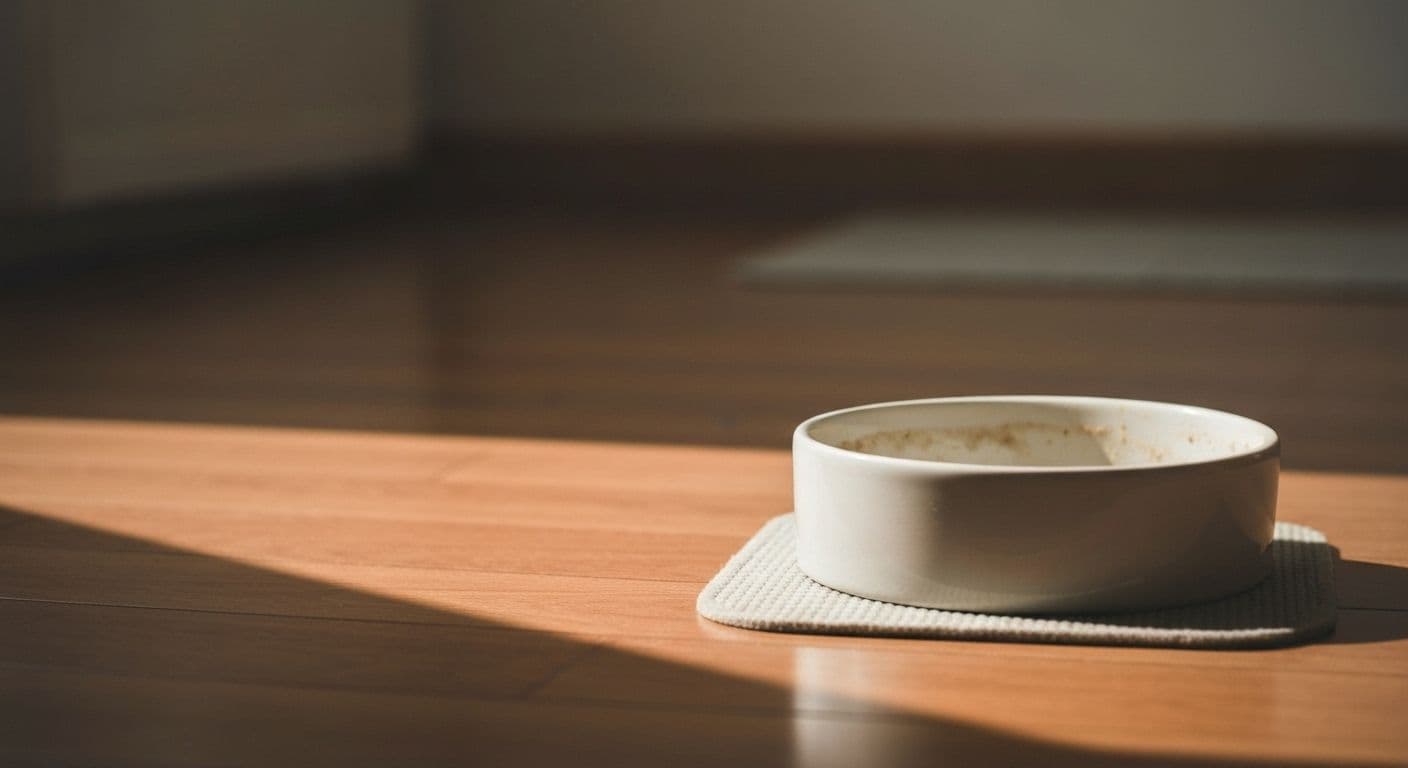
The moment you walk past your pet's empty food bowl, something shifts inside you. That familiar ceramic dish—once the center of excited tail wags and happy mealtimes—now sits silent and still. Your chest tightens. Your eyes sting. And suddenly, you're wondering why a simple object holds such devastating power over your emotions. If you're experiencing pet grief, know that these feelings aren't unusual or excessive—they're a natural part of how your brain processes loss through the everyday items that once defined your relationship with your beloved companion.
Attachment objects are the physical remnants of your pet's life that carry emotional weight far beyond their practical purpose. A worn collar, a favorite toy, the blanket they slept on—these items become anchors connecting you to memories, routines, and the unconditional love you shared. Understanding why these objects matter so much during pet loss gives you the power to navigate your grief with compassion rather than confusion.
This guide offers practical strategies for deciding what to keep, what to release, and how to create meaningful transitions with your pet's belongings. You'll discover how to honor your pet's memory while making space for healing, all without overwhelming yourself with complicated rituals or unrealistic expectations.
Why Pet Grief Makes Ordinary Objects Feel Extraordinary
Your brain creates powerful neural pathways connecting specific objects to experiences, emotions, and relationships. When you see your pet's bowl, your brain doesn't just recognize a dish—it activates memories of morning routines, the sound of kibble hitting ceramic, and the joy in your pet's eyes at mealtime. These neural connections explain why ordinary items become emotionally charged during pet grief.
Attachment objects serve as physical anchors to your relationship. They represent safety, routine, and the daily expressions of love that defined your bond. When grieving your pet, these items trigger what neuroscientists call "associative memory," where a single object unlocks entire networks of stored experiences. This process is completely normal and actually helps your brain process the reality of pet loss.
Here's what matters: there's a difference between healthy remembrance and staying stuck in pet grief. Keeping your pet's belongings visible immediately after loss provides comfort and validates your emotions. However, if months pass and you're avoiding any change because of overwhelming anxiety, the objects might be preventing you from processing your grief rather than supporting it.
Your brain associates these items with positive neurochemicals released during your time together—oxytocin from bonding moments, dopamine from play and routine, and serotonin from the security of companionship. When you encounter these objects now, your brain expects those feelings but confronts absence instead, creating the emotional intensity you're experiencing. Understanding this mechanism helps you approach pet loss emotions with self-compassion and acceptance rather than judgment.
Practical Pet Grief Strategies for Navigating Your Pet's Belongings
Ready to create a personalized approach to your pet's items? The "keep, transform, release" framework offers a simple decision-making structure without pressure or rigid timelines. This strategy for managing pet loss respects your emotional needs while creating space for gradual healing.
Start by categorizing items into three groups. "Keep" includes objects that bring comfort without overwhelming sadness—perhaps a photo or a small toy that makes you smile. "Transform" covers items you can repurpose into memorials, like turning your pet's collar into a bracelet or creating a shadow box with their favorite things. "Release" applies to items that cause more pain than peace, such as medications or items heavily associated with your pet's final days.
Here's a concrete approach to creating meaningful transitions:
- Begin with one small area, like the food and water bowls, rather than tackling everything at once
- Choose a moment when you feel emotionally stable, not during a particularly difficult day
- Have a trusted friend present if you need support, but make decisions based on your feelings
- Create a simple ritual like saying a few words of gratitude before storing or donating items
- Place "keep" items in a designated memory space rather than leaving them in their original spots indefinitely
Healing from pet grief doesn't require elaborate ceremonies or high-effort tasks. A simple ritual might involve holding an item, acknowledging the memories it represents, and consciously choosing its next purpose. This process helps your brain recognize the transition while honoring the relationship.
When deciding whether to keep items visible, consider your emotional response. If seeing your pet's bed each day brings warm memories and gentle sadness you can process, keep it visible. If it triggers overwhelming distress that prevents you from functioning, creating gentle distance by storing it away temporarily supports your wellbeing. You're not erasing your pet's memory—you're making thoughtful decisions that support your emotional health during coping with pet loss.
Moving Forward with Pet Grief: Your Path to Emotional Balance
Recognizing when attachment to objects supports versus hinders your pet grief journey requires honest self-reflection. Healthy attachment means objects bring bittersweet comfort and help you process memories. Unhealthy attachment shows up as avoiding all changes, experiencing panic at the thought of moving items, or organizing your entire life around preserving everything exactly as it was.
Your actionable next steps involve creating a personalized timeline that respects your emotional readiness. Maybe this week, you're ready to wash and store the pet bed. Next month, you might donate unopened food to a shelter. There's no universal schedule for healing from pet loss—only what feels right for your unique grief process.
Small changes with objects often reflect larger emotional progress. When you can move your pet's favorite toy from the living room floor to a memory box without falling apart, you're demonstrating resilience. These micro-transitions build your capacity for managing grief while maintaining connection to your pet's memory.
Remember to practice self-compassion throughout your pet grief journey. Some days will feel harder than others, and that's completely normal. Your emotions aren't linear, and neither is your relationship with your pet's belongings. By approaching this process with patience and building self-trust in your decisions, you create space for both remembrance and healing—exactly what your beloved companion would want for you.



