


Pet Grief: Why Your Pet'S Collar Still Brings Tears After Loss | Grief
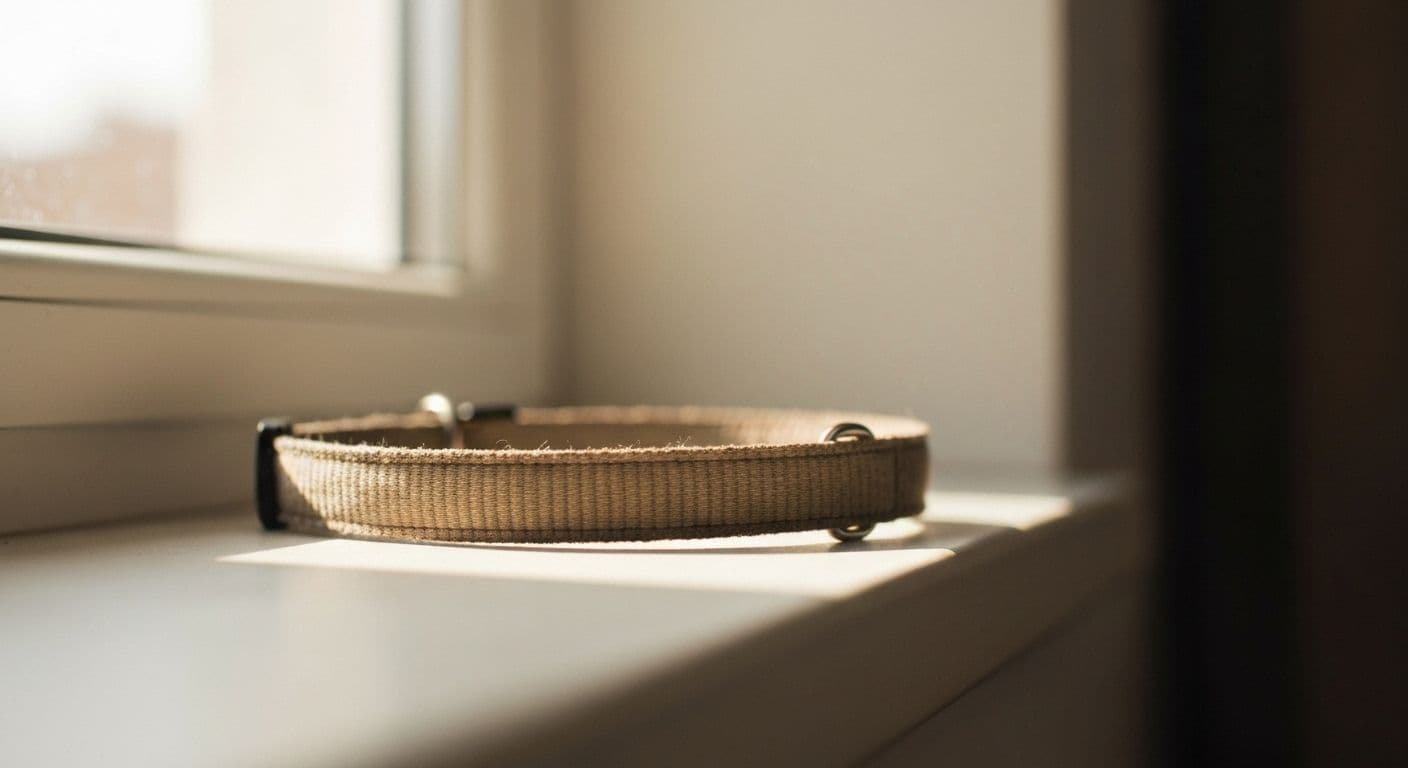
You're holding your dog's collar in your hands, and suddenly, you're sobbing. Maybe it's been weeks since they passed, maybe months—but the weight of that worn leather in your palm brings everything rushing back. If you've experienced this, you're not alone. Pet grief manifests powerfully through physical objects, and understanding why your pet's belongings trigger such intense emotions is the first step toward healing. These attachment objects aren't just things—they're tangible connections to the love you shared, and they play a crucial role in how we process grief after pet loss.
The emotional intensity you feel when touching your pet's collar or favorite toy isn't weakness or a sign you're grieving incorrectly. It's a natural, scientifically-backed response that reveals how deeply our brains form bonds with our animal companions. These items become more than possessions; they transform into powerful anchors for memory, emotion, and connection.
The Science Behind Pet Grief and Attachment Objects
Your brain creates intricate neural pathways that link objects to experiences, emotions, and memories. When you repeatedly saw your pet wearing their collar, your brain formed associations between that physical item and countless moments—their excited greeting at the door, the jingle of tags during walks, the warmth of their presence. These pathways don't disappear when your pet does, which explains why holding that collar activates the same emotional centers in your brain that lit up when your pet was alive.
Sensory triggers play an especially powerful role in pet grief. The smell of your cat's favorite blanket, the texture of your dog's worn leash, the sight of their food bowl—each sensory input directly accesses emotional memories stored in your limbic system. This immediate, visceral response bypasses your logical thinking and taps straight into feeling, which is why you might find yourself crying before you even consciously register what you're experiencing.
Pet grief often manifests differently than other types of loss because our relationships with animals exist primarily in the present moment and through routine physical interactions. Objects that facilitated these daily rituals—collars, toys, beds—become concentrated repositories of the relationship itself. Psychologists call this "continuing bonds," where maintaining connection through physical items helps us integrate loss while honoring what we shared.
Not all items trigger the same intensity of pet grief. Objects associated with your pet's unique personality or your most cherished routines typically evoke stronger responses. Your dog's collar might hit harder than their water bowl because it represents their individuality and accompanied them everywhere.
Managing Pet Grief: What to Keep and What to Release
Deciding what to do with your pet's belongings doesn't need to happen immediately. Give yourself permission to move at your own pace when coping with pet loss. A practical framework involves asking yourself: "Does this item bring me comfort or does it intensify my pain?" Both responses are valid, but they suggest different approaches.
Items that provide comfort—perhaps a photo or a favorite toy that makes you smile—are worth keeping accessible. Objects that currently trigger overwhelming distress might benefit from temporary storage. This doesn't mean discarding them; it means honoring where you are in your healing journey. Setting healthy boundaries with grief triggers supports your emotional wellness.
Creating a memory box offers a middle path for managing grief. Select a few meaningful items—the collar, a favorite toy, perhaps a paw print—and designate a special container. This approach transforms scattered reminders into intentional keepsakes you can visit when you're emotionally ready.
For items you're uncertain about, the "six-month rule" works well. Box them up without making permanent decisions. Revisit them later when your grief has evolved. What feels unbearable today might become a treasured comfort tomorrow.
Transforming Pet Grief Objects Into Healing Tools
Your pet's collar doesn't have to remain a source of pain. With intentional practice, you can gradually transform attachment objects into tools for healing from pet loss rather than triggers for suffering. This shift happens through mindful interaction—consciously choosing when and how you engage with these items.
Try this technique: Set aside five minutes when you feel emotionally grounded. Hold your pet's collar and focus on one happy memory. Breathe deeply, let yourself smile, then gently put it away. This mindful approach to emotional regulation gradually builds new neural associations between the object and peaceful remembrance rather than acute pain.
Building new associations takes time. You might place your pet's collar in a shadow box with photos and flowers, creating a memorial that honors them while establishing the item as a symbol of love rather than loss. Some people incorporate meaningful objects into jewelry or art, transforming them into celebration rather than sorrow.
Recognition matters here: If an object keeps you stuck—preventing you from engaging with life or intensifying depression—that's information worth heeding. Healing from depression sometimes means temporarily creating distance from powerful triggers.
Pet grief is deeply personal, and your path through it belongs to you alone. These attachment objects can support your healing when approached with intention and self-compassion. Ready to explore more personalized strategies for emotional wellness after loss? The Ahead app offers science-backed tools tailored to your unique grief journey.



