


What to Say to Someone Who Loses a Loved One: Honoring Grief Across Cultures
When someone loses a loved one, finding the right words to offer comfort becomes one of life's most challenging moments. What to say to someone who loses a loved one varies significantly across cultures, yet the universal desire to provide meaningful support remains constant. The words we choose can either offer genuine solace or unintentionally cause additional pain during an already difficult time. Understanding how grief manifests differently across cultural traditions provides valuable context for offering appropriate support that truly resonates.
Different heritage practices shape how people process loss, influencing everything from acceptable expressions of grief to the duration of mourning periods. When considering what to say to someone who loses a loved one, recognizing these cultural nuances allows us to provide more thoughtful, relevant comfort. Rather than relying on generic phrases, learning about specific cultural grief customs demonstrates respect and deepens your ability to offer meaningful support during times of emotional uncertainty.
The impact of well-chosen words extends beyond momentary comfort—they acknowledge the bereaved person's experience within their cultural context, validating both their loss and their heritage traditions. This culturally-informed approach to what to say to someone who loses a loved one creates space for authentic connection during profound grief.
Cultural Variations in What to Say to Someone Who Loses a Loved One
Eastern and Western cultures often differ dramatically in appropriate condolence expressions. In many Western societies, phrases like "I'm sorry for your loss" or "They're in a better place" are common, while some Eastern cultures may consider direct acknowledgment of death inappropriate. Instead, more indirect references to the transition or journey of the deceased might be preferred when considering what to say to someone who loses a loved one.
Religious considerations significantly influence comfort words across traditions. For example, Muslims often say "Inna lillahi wa inna ilayhi raji'un" ("We belong to Allah and to Him we shall return"), while Jewish mourners may hear "May their memory be a blessing." Understanding these faith-specific expressions provides valuable guidance on what to say to someone who loses a loved one from different religious backgrounds.
Across numerous cultures, certain phrases should generally be avoided. Statements that minimize grief ("They lived a good life"), impose timelines ("You'll feel better soon"), or suggest replacement ("You can always have another child") are rarely helpful regardless of cultural background. Instead, focus on building emotional resilience through acknowledgment and presence.
The timing of condolences also varies culturally. While immediate expressions of sympathy are expected in many Western contexts, some traditions observe waiting periods before discussing the deceased. Being aware of these timing sensitivities further refines what to say to someone who loses a loved one in different cultural contexts.
Supportive Actions When Words Fail: What to Say to Someone Who Loses a Loved One
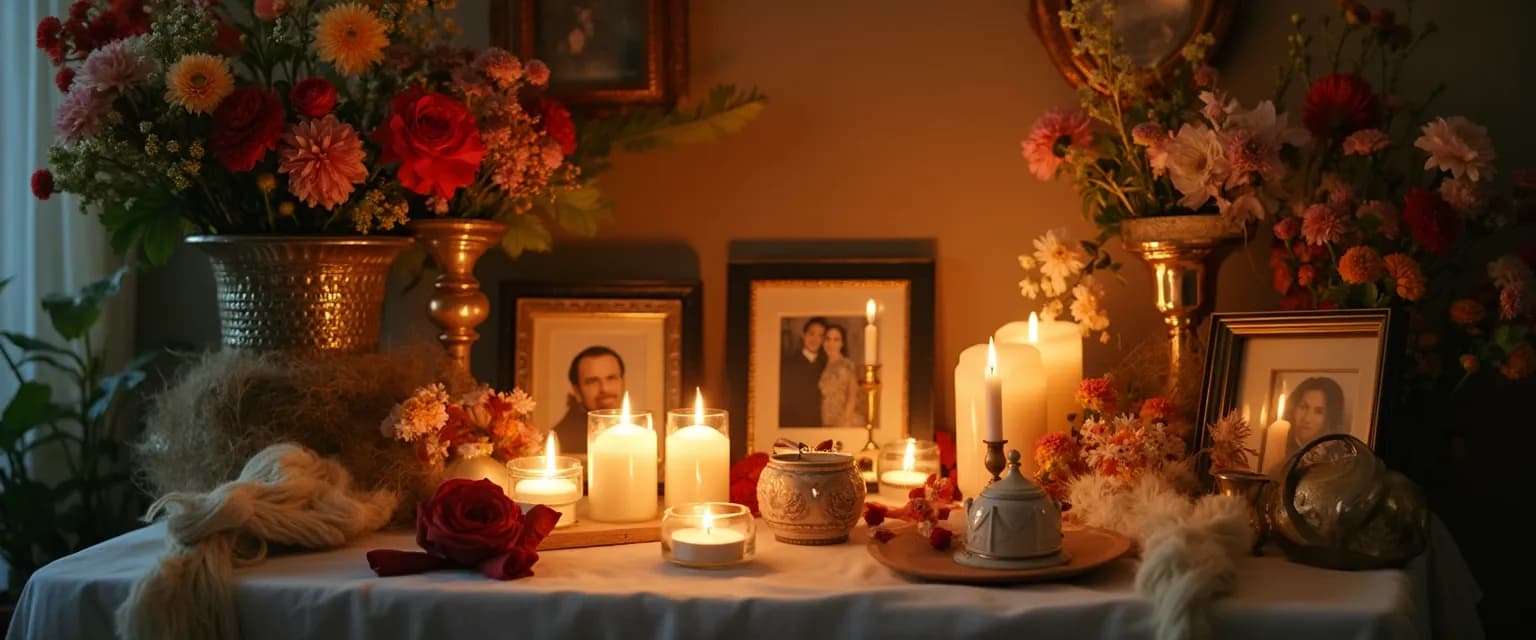
Sometimes the most meaningful support comes through culturally appropriate gestures rather than words alone. In many Asian cultures, bringing food or practical gifts demonstrates care without requiring perfect phrasing about what to say to someone who loses a loved one. Hispanic traditions might include bringing candles or flowers for memorial altars, while Eastern European customs might involve bringing bread or salt as symbols of sustenance during difficult times.
Participating respectfully in unfamiliar grief rituals shows profound support. Whether attending a Buddhist meditation ceremony, a Catholic wake, or a Hindu cremation ritual, your presence speaks volumes. When uncertain about what to say to someone who loses a loved one in an unfamiliar cultural context, simply asking "How can I support you during this time?" acknowledges both the loss and cultural differences with respect.
Some supportive actions transcend cultural boundaries. Offering practical help with daily tasks, creating space for the bereaved to express their feelings without judgment, and continuing to check in after the initial mourning period demonstrates ongoing care. These gestures complement verbal expressions when considering what to say to someone who loses a loved one across different life transitions.
Finding the Right Words: A Cross-Cultural Guide to Comforting Someone Who Loses a Loved One
Certain phrases offer universal comfort when tailored with cultural sensitivity. Simple acknowledgments like "I'm here for you" or "I'm thinking of you" rarely offend across traditions. When exploring what to say to someone who loses a loved one, remember that authentic presence often matters more than perfect phrasing.
Adapting your approach based on cultural context demonstrates meaningful respect. Take cues from other community members, observe mourning customs, and be willing to learn. Resources like cultural community centers, religious leaders, and heritage organizations can provide specific guidance on what to say to someone who loses a loved one from a particular background.
Most importantly, continue your support beyond initial condolences. In many cultures, the most difficult period begins after formal mourning ends and others return to normal life. Remembering important dates, checking in regularly, and maintaining connection provides ongoing comfort when navigating what to say to someone who loses a loved one through their grief journey.



