


Why Griefshare Grief Recovery Support Groups Speed Healing | Grief
Picture this: You're sitting alone at home, scrolling through photos, feeling the weight of loss pressing down on your chest. Now imagine instead being surrounded by people who truly understand—nodding along, sharing tissues, and offering knowing glances that say "I've been there too." This is the fundamental difference between solo grief and griefshare grief recovery support groups. While processing loss alone might feel safer initially, research in emotional wellness shows that group healing offers unique psychological advantages that solitary reflection simply cannot match.
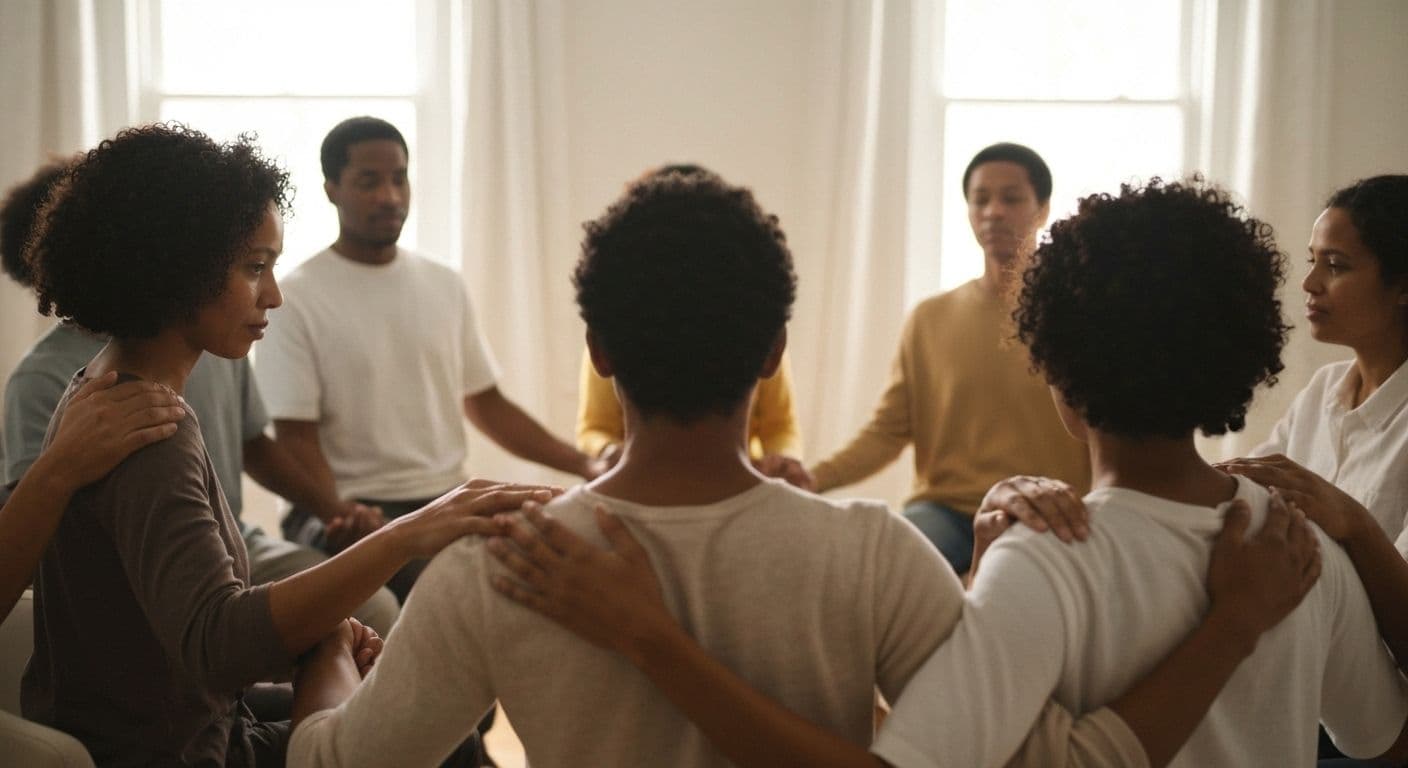
When you're grieving, isolation often feels like the natural response. You might think nobody understands your specific pain, or that burdening others with your emotions seems unfair. But grief recovery support groups create transformative spaces where shared experiences become powerful healing tools. Through collective vulnerability and mutual emotional support, these circles accelerate recovery in ways that surprise even skeptical participants.
Let's explore five science-backed reasons why group healing consistently outperforms solo grief processing, and how you can harness these benefits in your own recovery journey.
How GriefShare Grief Recovery Support Groups Normalize Your Emotions
The first time you hear someone else describe the exact thoughts you've been having—the guilt, the anger, the unexpected moments of laughter—something shifts internally. Support groups for grief create validation through shared experience. When another member says, "I felt furious at the funeral," and heads nod around the circle, your own anger suddenly feels less shameful. This normalization reduces the secondary suffering that comes from judging your grief as "wrong" or "excessive."
Grief support circles transform vulnerability from weakness into collective strength. In solo processing, you might spend weeks wondering if your reactions are normal. Within griefshare grief recovery support groups, you discover within minutes that others experience the same contradictory emotions—relief mixed with sadness, numbness alternating with overwhelming pain. This immediate feedback loop accelerates acceptance of your grief journey.
Shared grief experiences also reveal the beautiful diversity of healing paths. One member might find comfort in rituals while another processes through creative expression. Witnessing these varied approaches shows there's no single "correct" way to grieve, freeing you from the pressure to follow an imaginary timeline. The accountability structures within support circles encourage consistent healing progress without judgment. When you commit to showing up for the group, you're simultaneously committing to your own recovery, creating momentum that's harder to maintain alone.
Diverse Coping Perspectives in Grief Recovery Support Groups
Solo grief processing limits you to your own coping toolkit. In contrast, griefshare support environments expose you to dozens of strategies you'd never discover independently. One member shares a breathing technique that grounds them during panic attacks. Another describes how rearranging their living space helped release emotional stagnation. These peer-generated solutions often feel more accessible than professional advice because they come from people actively navigating similar challenges.
The power of coping with grief in groups lies in witnessing living proof of recovery. When you meet someone six months ahead in their journey who's genuinely laughing again, hope becomes tangible rather than abstract. Their progress doesn't erase your pain, but it illuminates a path forward. This vicarious learning through mirror neurons and social observation activates neural pathways associated with possibility and motivation.
Practical Wisdom from Fellow Travelers
Peer grief support brings diverse backgrounds into one healing space. A retired teacher might share wisdom about navigating holidays differently. A young parent offers insights on explaining loss to children. This cross-pollination of perspectives enriches everyone's understanding and expands their coping repertoire. The techniques shared by peers feel immediately actionable because they're field-tested by real people, not theoretical concepts from textbooks.
Getting Started with GriefShare Grief Recovery Support Groups
Ready to experience the benefits of group healing? Finding the right grief recovery support groups starts with identifying what format works for your lifestyle. Some people thrive in structured programs with curriculum, while others prefer open-share formats. Research local community centers, places of worship, and online platforms that host joining grief support groups opportunities. Many offer trial sessions so you can assess fit before committing.
Your first group session might feel awkward—that's completely normal. You're not required to share immediately; listening and observing provides tremendous value initially. Most facilitators create clear guidelines about confidentiality and respectful communication, establishing safety from the start. Arrive a few minutes early to settle in, and remember that everyone there once attended their first session too.
To maximize benefits from your grief recovery journey, combine group participation with personal self-soothing techniques between meetings. The group provides community and perspective; your private moments allow integration of those insights. This dual approach creates a comprehensive healing ecosystem that addresses both connection and individual processing needs.
Taking that first step toward supported healing requires courage, but griefshare grief recovery support groups consistently demonstrate that shared vulnerability accelerates recovery. You don't have to navigate loss alone—and the research shows you'll heal more completely when you don't.



