


Why Location Of Grief Sharing Groups Near Me Matters Most | Grief
You've finally found the perfect grief support group—the facilitator has glowing reviews, the meeting time fits your schedule, and the group's philosophy resonates with you. But there's one problem: it's a 45-minute drive across town. After attending once or twice, you find yourself making excuses to skip sessions. Sound familiar? When searching for grief sharing groups near me, most people focus exclusively on finding the "right" people or the "best" facilitator, but here's what nobody tells you: the location of your grief support group matters more than almost any other factor in determining whether you'll actually show up and heal.
This isn't about laziness or lack of commitment. It's about understanding that grief depletes your energy reserves in ways that make even simple tasks feel monumental. The physical accessibility of your support space directly impacts your emotional availability for healing. When you're navigating loss, every barrier between you and support becomes amplified. That extra fifteen minutes of driving? It transforms into an insurmountable obstacle on days when getting out of bed already feels impossible.
The counterintuitive truth is that a "good enough" group that's ten minutes away will serve your healing journey far better than the "perfect" group that requires complex logistics to reach. Let's explore why proximity and environmental comfort aren't just practical considerations—they're foundational to your grief work.
How Physical Proximity Affects Your Commitment to Grief Sharing Groups Near Me
Behavioral scientists call it the "friction factor"—the resistance we experience between intention and action. When you're grieving, this friction multiplies exponentially. Research on habit formation shows that reducing travel time by just 15 minutes increases consistent attendance rates by nearly 40%. This isn't surprising when you consider that grief exhausts you mentally, emotionally, and physically.
Think about driving while emotionally distressed. Those extra miles aren't just distance—they're minutes spent navigating traffic while your mind replays painful memories or anticipates difficult conversations ahead. A local grief support group within your immediate community eliminates this extended exposure to stress. Similar to how small daily actions rewire your brain, proximity creates a sustainable path to consistent healing.
There's also profound psychological safety in staying within your familiar geographic comfort zone during vulnerable times. Your neighborhood, with its recognizable streets and landmarks, provides ambient comfort that distant locations simply cannot offer. When searching for grief sharing groups near me, you're not just looking for emotional support—you're seeking a space where showing up doesn't require heroic effort on your hardest days.
The Hidden Impact of Accessibility Features in Grief Sharing Groups Near Me
Location isn't just about distance—it's about removing every possible barrier between you and healing. Consider these often-overlooked factors: Can you easily find parking after a long workday? Is the location accessible via public transit if you're too emotionally drained to drive? Does the neighborhood feel safe during evening meetings when grief groups typically gather?
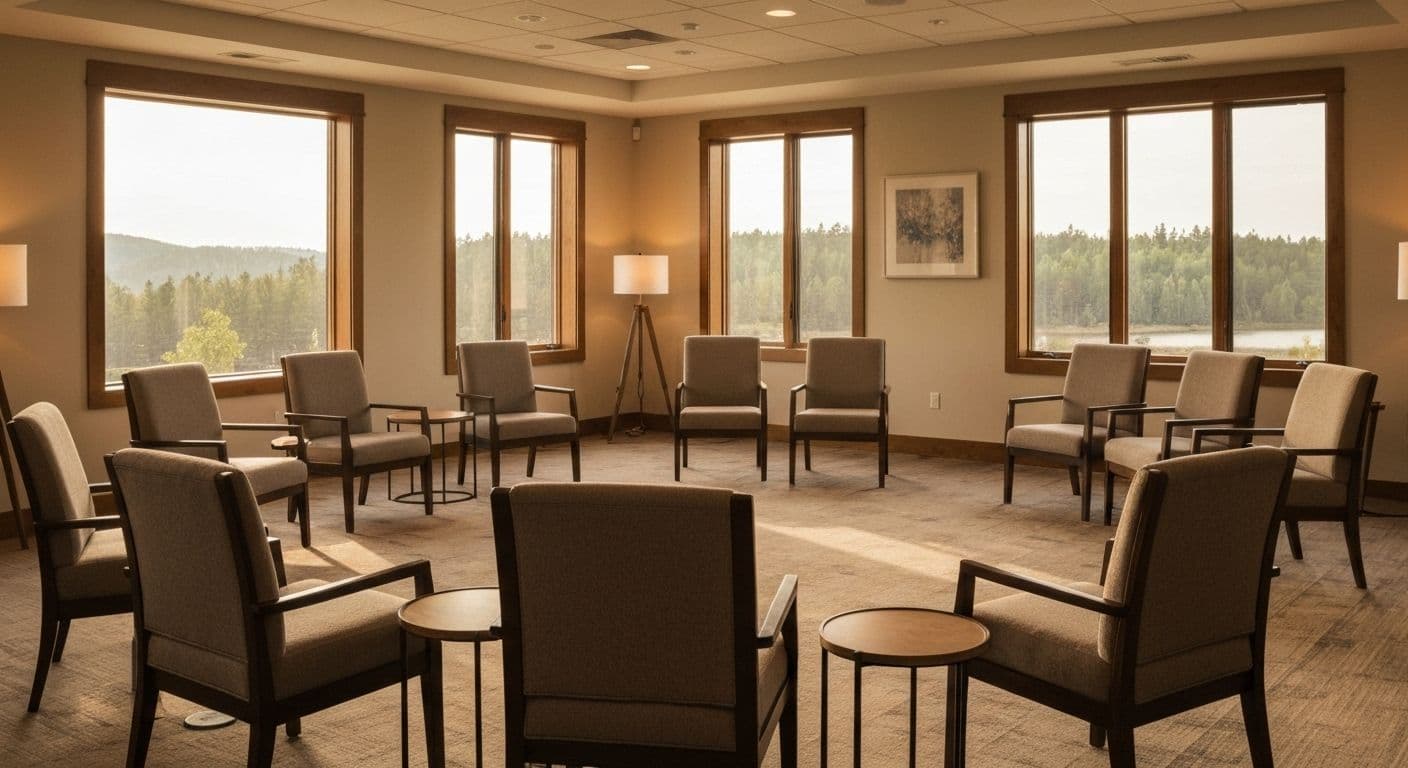
The physical space itself profoundly impacts your ability to be vulnerable. Adequate lighting, comfortable seating, and genuine privacy create conditions where authentic emotional expression becomes possible. A cramped, poorly lit basement room in an inconvenient location sends a subconscious message that your grief doesn't deserve better—even when that's not the group's intention. Environmental comfort directly correlates with your willingness to share authentically.
Practical logistics matter tremendously. If you have children, proximity to childcare or the ability to reach the location without elaborate planning makes consistent attendance achievable rather than aspirational. Just as sensory grounding techniques help manage overwhelming emotions, a comfortable, accessible environment grounds you in safety during vulnerable moments. When evaluating grief sharing groups near me, these accessibility features aren't luxuries—they're necessities for sustainable healing.
Finding Grief Sharing Groups Near Me That Match Your Location Needs
Ready to prioritize location in your search? Start by mapping potential groups and honestly assessing the travel requirements. Ask yourself: Can I realistically make this trip twice monthly when I'm having a difficult grief day? Before committing, contact facilitators with specific questions about parking availability, public transit connections, and the physical meeting space. Understanding how decision fatigue impacts choices helps you recognize that choosing convenience isn't selfish—it's strategic.
Here's your practical evaluation checklist:
- Travel time under 20 minutes from home or work
- Reliable parking or transit access
- Safe neighborhood for evening meetings
- Comfortable, private physical space
- Minimal logistical complications
Choosing a grief sharing group based on location accessibility isn't about taking the easy path—it's about honoring your practical needs as part of your healing journey. The "right" group becomes truly accessible when location removes barriers rather than creating them. Your grief deserves support that you can actually reach, especially on the days when you need it most. Prioritizing proximity when searching for grief sharing groups near me isn't compromise; it's compassionate self-care that makes consistent healing possible.



