


Why Men'S Loss Of Friendship Grief Matters For Mental Health | Grief
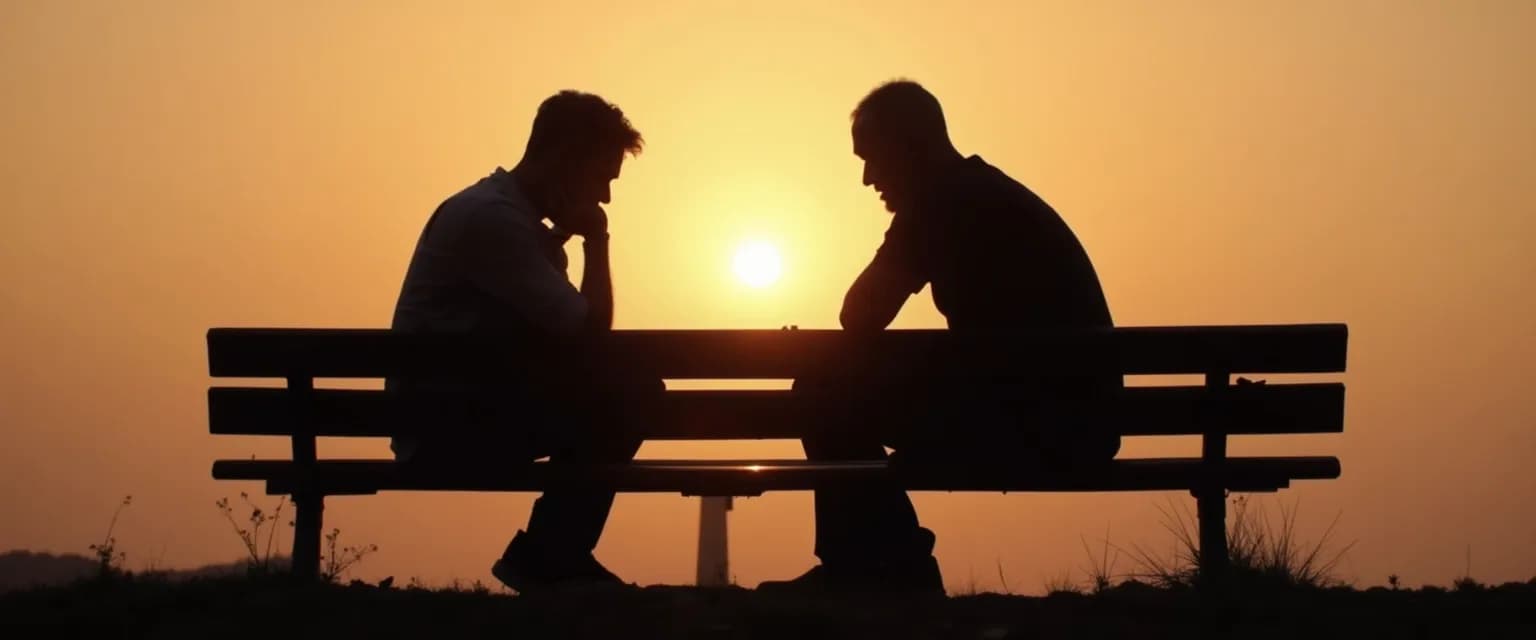
The loss of friendship grief hits men particularly hard, yet it's one of the least discussed aspects of male mental health. When a friendship fades or abruptly ends, men often struggle silently with this profound loss, creating ripples that affect their overall wellbeing. Research shows that by age 30, men's friendship circles shrink dramatically, with the average man losing up to 80% of his close connections from early adulthood—making each friendship loss increasingly significant.
This silent epidemic of male friendship loss has real consequences. Men with fewer close friendships show higher rates of depression, anxiety, and even physical health problems. Unlike women, who typically maintain broader social networks throughout life, men often place immense emotional value on a handful of key relationships, making the loss processing more difficult when these connections disappear.
The impact goes beyond momentary sadness. Loss of friendship grief in men often manifests as irritability, withdrawal, or increased risk-taking behaviors rather than conventional expressions of sadness, making it harder for both men and those around them to recognize what's really happening.
How Men Experience Loss of Friendship Grief Uniquely
Cultural expectations create distinct challenges for men navigating friendship loss. From an early age, boys hear messages like "man up" and "boys don't cry," establishing a foundation where emotional vulnerability—especially regarding other male relationships—feels forbidden. This cultural conditioning means men often lack the vocabulary and permission to express what they're feeling when a friendship ends.
Biologically, men's grief responses often differ from women's. While women typically process emotions through verbal expression and seeking support, men's grief frequently channels through action, distraction, or problem-solving approaches. This difference isn't a deficiency—it's simply a different pathway that needs appropriate support and understanding.
The signs of unprocessed friendship grief in men often appear as:
- Increased alcohol consumption or substance use
- Throwing themselves into work or solitary hobbies
- Uncharacteristic irritability or anger
- Physical symptoms like sleep disturbances or appetite changes
What makes friendship loss particularly destabilizing for men is how it undermines their often limited support system. When a man loses a close friend, he doesn't just lose the relationship—he loses what might be one of his few outlets for emotional expression and authentic connection. This compounds the grief by removing the very resource that could help process it.
Practical Techniques for Processing Loss of Friendship Grief
Men benefit from action-oriented approaches to friendship grief that honor their communication styles while still addressing emotional needs. These strategies provide concrete ways to acknowledge and work through friendship loss without requiring unfamiliar emotional territory:
Movement-Based Processing
Physical activity creates a natural container for emotional processing. A solo hike, bike ride, or gym session provides space to mentally process loss while the body stays engaged. This approach aligns with how many men naturally process emotions—through motion rather than stillness.
Structured Reflection
Brief, focused reflection periods can help integrate the experience without overwhelming. Try the 5-5-5 technique: spend five minutes identifying what you valued about the friendship, five minutes acknowledging what's been lost, and five minutes considering what you'll carry forward.
Building new connections doesn't mean replacing what's lost. Instead, it's about expanding your support network while honoring previous bonds. Consider activity-based friendships—joining clubs, sports teams, or volunteer groups—which create natural contexts for male bonding without requiring immediate emotional disclosure.
Moving Forward: Transforming Loss of Friendship Grief into Growth
When men acknowledge and process friendship grief, they develop emotional resilience that strengthens all their relationships. The skills gained through navigating loss—recognizing emotions, communicating needs, and valuing connection—create a foundation for deeper bonds in the future.
The connection between processed grief and improved mental wellness is clear. Men who work through loss of friendship grief report greater life satisfaction, reduced anxiety, and improved ability to form new connections. The first step toward this healing is simply recognizing that friendship loss matters and deserves attention.
Loss of friendship grief doesn't have to remain a silent struggle. By understanding the unique ways men experience this loss and providing appropriate tools for processing, we can break the silence around this important aspect of men's emotional lives and create pathways toward healing and connection.



