


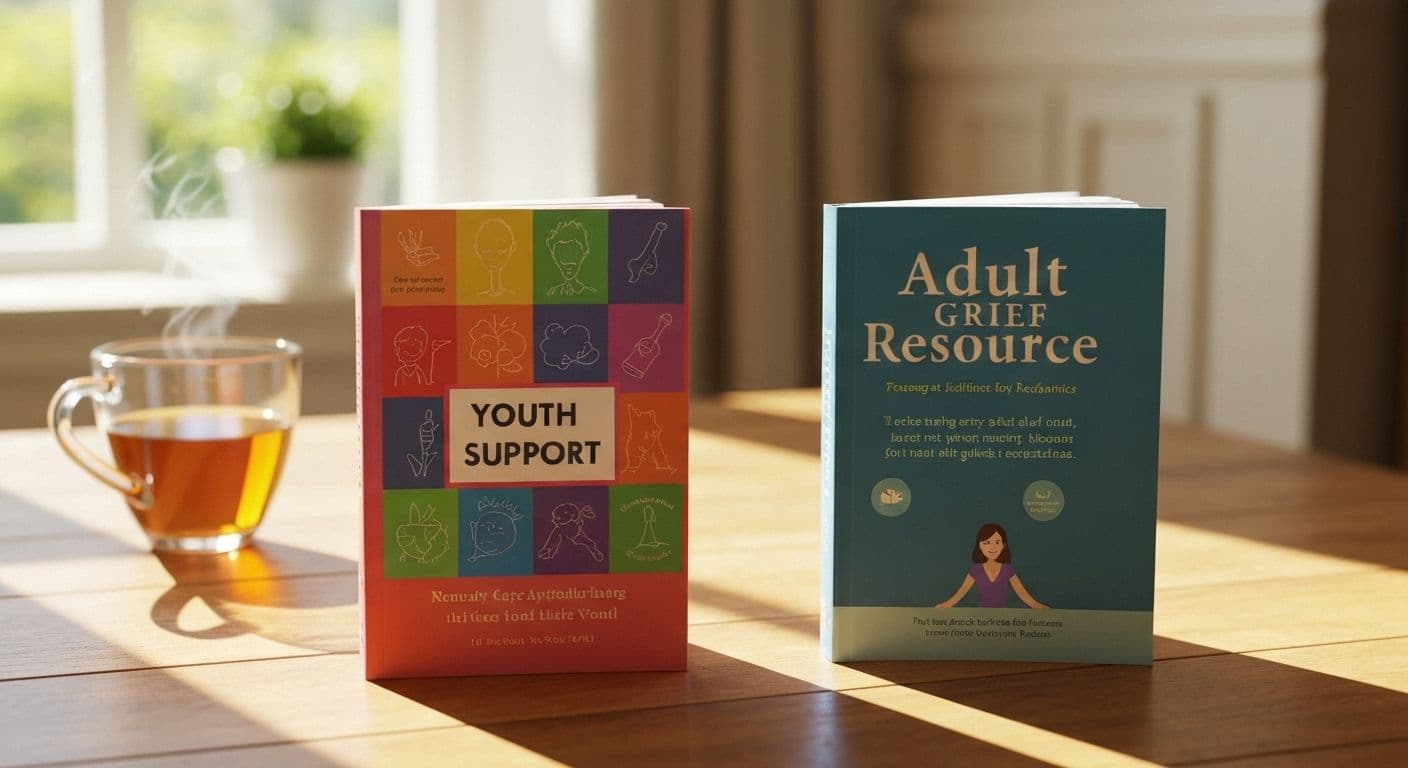
Why Your Teen Needs Different GriefShare Books Than You: Age-Appropriate Reading After Loss
When your family experiences loss, finding the right griefshare books becomes a deeply personal journey—especially when you're navigating grief alongside your teenager. While you might instinctively reach for the same resources that comfort you, here's something important: your teen's brain processes grief fundamentally differently than yours. Their developmental stage, emotional maturity, and social context shape how they understand and work through loss in ways that demand age-appropriate materials.
The griefshare books you find meaningful might overwhelm your teenager with complex emotional concepts, or worse, feel dismissively simple to their rapidly maturing mind. Teens exist in a unique developmental space where they're no longer children but not quite adults, and their grief materials need to honor this transition. Understanding why age-appropriate reading matters transforms how effectively your teenager can process their emotions and find genuine support during this challenging time.
Before selecting specific titles, recognize that adolescent grief looks different. Teens oscillate between intense emotions and apparent indifference, often processing loss through peer connections rather than family discussions. The best griefshare books for teenagers acknowledge these patterns without judgment.
Understanding Teenage Brain Development and Grief Processing
Your teenager's prefrontal cortex—the brain region responsible for emotional regulation and abstract thinking—won't fully mature until their mid-twenties. This biological reality profoundly affects how teens experience grief. While you might find comfort in philosophical reflections on loss, your teen needs concrete strategies for managing overwhelming emotions in real-time situations like school, sports practice, or social events.
Effective griefshare books for teens address this neurological difference directly. They provide practical tools rather than purely conceptual frameworks. Your teen benefits from learning breathing techniques for emotional regulation they can use during a difficult class period, not just abstract discussions about the stages of grief.
Additionally, adolescent identity formation complicates grief. Teens are actively constructing their sense of self, and loss disrupts this crucial developmental task. Age-appropriate griefshare books acknowledge this intersection, helping teens understand how grief impacts their emerging identity without derailing their growth.
Key Differences in Griefshare Books for Teens Versus Adults
The language, structure, and content focus of griefshare books strategies differ significantly between age groups. Adult materials often explore existential themes and long-term meaning-making, while teen-focused resources prioritize immediate coping mechanisms and peer-related challenges.
Teen griefshare books typically feature shorter chapters with clear action steps. They address specific scenarios teenagers actually face: returning to school after loss, navigating social media during grief, managing emotions during extracurricular activities, or handling insensitive comments from peers. These practical situations rarely appear in adult materials.
Furthermore, effective griefshare books techniques for teens incorporate modern communication styles. Today's teenagers grew up with different cultural references, technology integration, and social dynamics than previous generations. Materials that feel outdated or disconnected from their lived experience won't resonate, regardless of their therapeutic value.
Matching Griefshare Books to Your Teen's Specific Loss Experience
The type of loss your teenager experienced dramatically influences which griefshare books guide will serve them best. Losing a peer to accident or illness creates different grief patterns than losing a parent or sibling. Each situation requires targeted resources that acknowledge the unique emotional landscape.
For parental loss, teens need griefshare books that address their dual role as grieving child and potential family caregiver. They're processing their own emotions while potentially supporting younger siblings or a surviving parent. Materials should validate this complex position without adding pressure.
Sibling loss introduces survivor guilt, identity shifts, and changed family dynamics. Your teen might struggle with receiving increased parental attention or feeling responsible for their parents' emotional well-being. The right griefshare books techniques acknowledge these specific challenges with compassion and practical guidance.
Peer loss, meanwhile, often triggers existential questions about mortality that feel particularly acute during adolescence. Teens need resources that honor their philosophical questioning while providing strategies for managing anxiety about their own vulnerability and that of other loved ones.
Implementing the Best Griefshare Books Approach for Your Family
Finding appropriate griefshare books represents just the first step. How you introduce and discuss these materials with your teen matters equally. Rather than assigning reading, invite your teenager to explore options together. Let them have genuine input into what resonates.
Create space for your teen to engage with materials privately while remaining available for conversation. Some teenagers process grief through connection and discussion, while others need solitary reflection time. Both approaches are valid.
Remember that effective griefshare books strategies evolve as your teen progresses through their grief journey. What helps immediately after loss might feel unhelpful months later. Stay flexible and open to switching resources as your teenager's needs change.
Ultimately, honoring your teen's developmental stage through age-appropriate griefshare books demonstrates respect for their unique grief experience while providing the targeted support they genuinely need during this profound challenge.



