


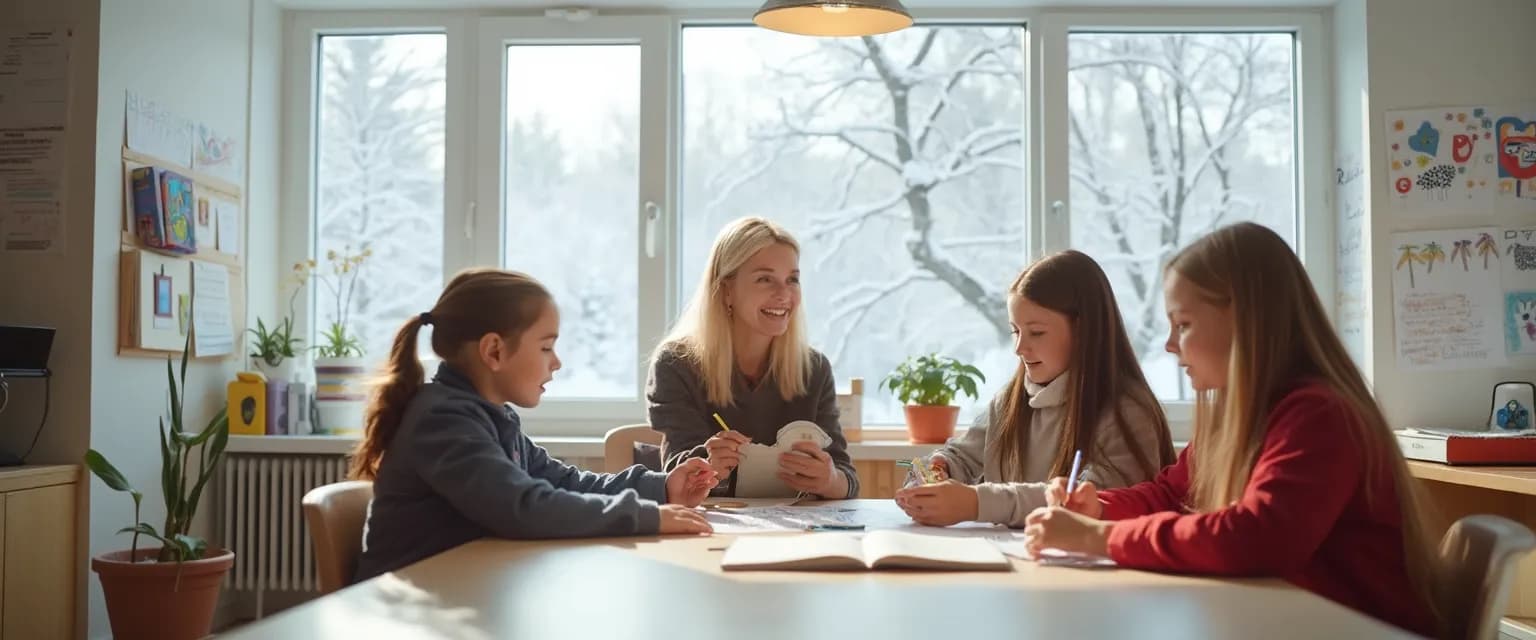
Finland's Education Secrets: Lessons from World Happiness Report 2021
Finland's remarkable achievement in the World Happiness Report 2021 marks its fourth consecutive year at the top of global happiness rankings. This Nordic nation's consistent performance has educators worldwide asking: what's their secret? The answer might surprise you – Finland's education system plays a pivotal role in fostering national happiness. While many countries push for longer school days and intensive testing, Finland takes a dramatically different approach that prioritizes well-being alongside academic achievement. The World Happiness Report 2021 highlights how social support systems and institutional trust contribute to happiness – elements deeply embedded in Finland's educational philosophy.
What makes Finland's approach so effective is its holistic view of education. Finnish schools don't just focus on academic outcomes; they nurture the whole child. This perspective aligns perfectly with the findings in the World Happiness Report 2021, which emphasizes how emotional well-being techniques contribute to overall life satisfaction. By examining Finland's educational model, schools worldwide can discover practical strategies to enhance student happiness while maintaining academic excellence.
The connection between education and national happiness isn't coincidental. Finnish educators have long understood that learning environments shape not just what children know, but how they feel about themselves and their future. This insight offers valuable lessons for educators seeking to implement effective world happiness report 2021 strategies in their own schools.
Key Educational Principles Behind Finland's World Happiness Report 2021 Success
Finland's education system embraces several core principles that directly contribute to its top ranking in the World Happiness Report 2021. Understanding these principles provides valuable insights for educators worldwide looking to enhance student well-being.
First, Finnish schools prioritize play and rest. Students typically enjoy 15-minute outdoor breaks for every 45 minutes of classroom time – regardless of weather conditions. This balance reduces stress and improves focus, supporting the World Happiness Report 2021 finding that work-life balance significantly impacts happiness. Finnish children also receive less homework than their international peers, allowing more time for family, hobbies, and unstructured play.
Second, teacher autonomy stands as a cornerstone of Finland's approach. Finnish teachers experience high professional respect and substantial freedom in curriculum implementation. The World Happiness Report 2021 emphasizes how autonomy and trust enhance workplace satisfaction – principles evident in Finland's treatment of educators. This respect extends to students too, who are encouraged to develop independence and self-confidence building skills from an early age.
Third, Finland's education system prioritizes equality. All students receive free meals, health care, and counseling services regardless of socioeconomic background. This comprehensive support system creates a foundation for the social trust highlighted in the World Happiness Report 2021 as crucial for national happiness. Schools receive equal funding, and teachers work to ensure every child succeeds rather than focusing on high achievers.
Finally, Finland minimizes standardized testing until age 16, reducing academic pressure and allowing for more personalized learning approaches. This stands in stark contrast to test-heavy educational models and aligns with the World Happiness Report 2021 findings that excessive pressure undermines well-being and long-term success.
Implementing World Happiness Report 2021 Insights in Your School
Educators worldwide can apply Finland's principles highlighted in the World Happiness Report 2021 without completely overhauling their existing systems. Here are practical strategies to enhance student happiness and well-being in any educational setting:
Incorporate more movement and outdoor time into the school day. Even short 5-minute movement breaks between lessons can improve focus and reduce stress management. Consider implementing a version of Finland's "15 minutes of play for every 45 minutes of learning" approach, adapted to your school's schedule.
Build teacher support systems that enhance autonomy and professional development. The World Happiness Report 2021 emphasizes how workplace satisfaction directly impacts overall happiness. Create collaborative planning time and reduce administrative burdens to allow teachers more creative freedom in curriculum delivery.
Develop equal opportunity initiatives that address basic needs. While free meals and healthcare may not be feasible for all schools, consider establishing a resource center for essential supplies or partnering with community organizations to ensure all students have access to necessary support.
Reduce emphasis on standardized testing where possible. Focus instead on meaningful assessment that celebrates individual progress rather than comparative performance. This approach aligns with the World Happiness Report 2021 findings that highlight how perceived freedom to make life choices contributes to happiness.
Finland's consistent top ranking in the World Happiness Report 2021 offers valuable lessons for educators worldwide. By incorporating elements of Finland's educational philosophy – prioritizing play, respecting teacher autonomy, ensuring equality, and reducing test pressure – schools can create environments where students thrive both academically and emotionally. The World Happiness Report 2021 reminds us that well-being isn't separate from education but integral to creating successful learning environments and happier societies.



