


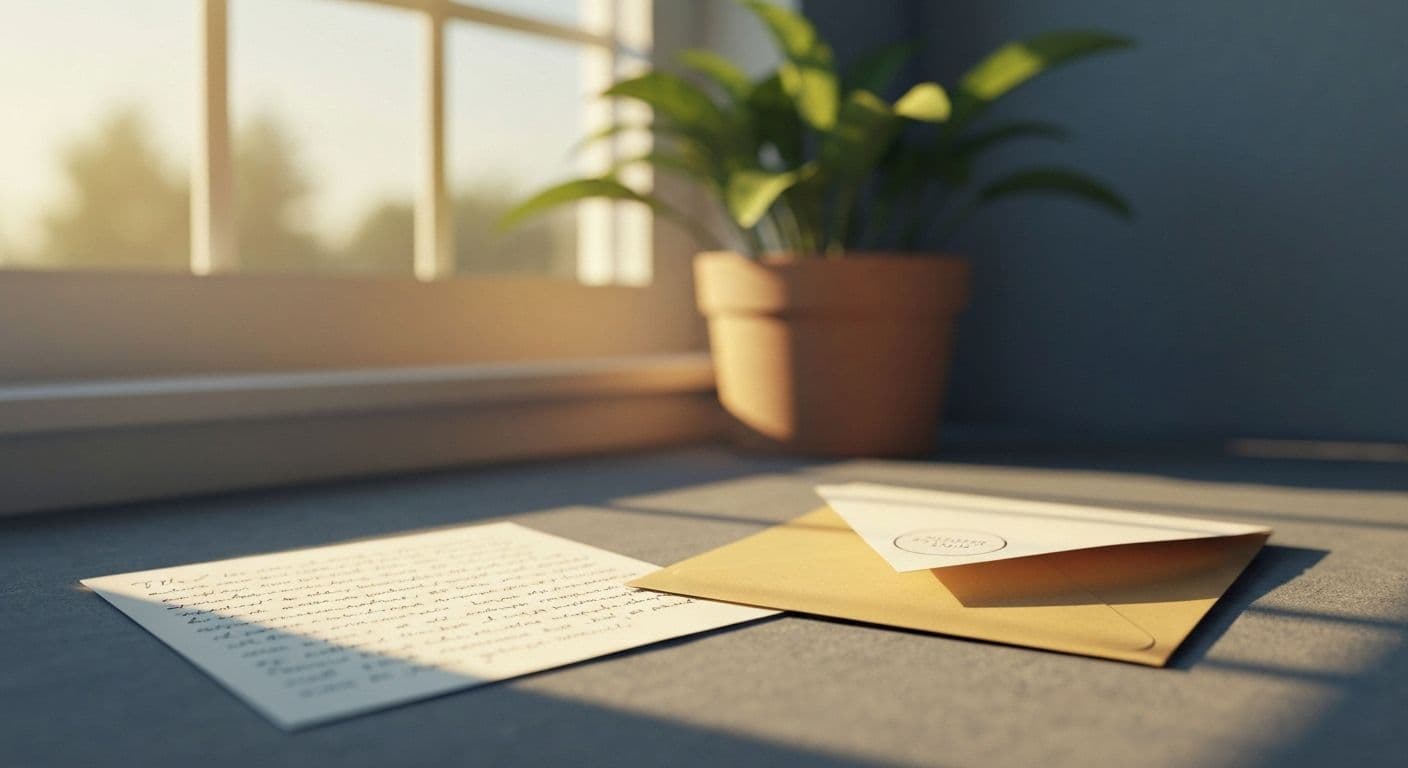
Best Breakup Advice: Write a Goodbye Letter You'll Never Send
Ever feel like your thoughts about your ex are stuck on repeat? Here's some of the best breakup advice you'll ever get: write them a letter you'll never send. Sounds counterintuitive, right? But this private ritual is one of the most powerful tools for emotional healing after breakup. Unlike reaching out to your ex (which often reopens wounds), an unsent goodbye letter gives you complete control over your healing process. You get to say everything you need to say without the complications, second-guessing, or potential for more heartache.
The science backs this up. Expressive writing helps your brain process complex emotions and create the narrative closure you desperately need. When you put pen to paper, you're not just venting—you're actively rewiring how your brain holds onto the relationship. This goodbye letter becomes your safe space to be brutally honest, messily emotional, and completely yourself without worrying about their reaction. Ready to discover why this simple practice is transforming how people move forward after relationships end?
Why the Best Breakup Advice Includes Writing What You'll Never Send
Your brain craves closure, and unsent letters deliver it without the drama. When a relationship ends, your mind is flooded with unexpressed thoughts, unresolved feelings, and questions that may never get answered. Writing creates what psychologists call "narrative closure"—you're literally writing the ending to your relationship story on your own terms.
The neuroscience here is fascinating. Expressive writing activates the same brain regions involved in emotional processing and regulation. When you write about intense emotions, you're essentially moving them from the reactive emotional centers of your brain to the logical, processing areas. This shift helps you make sense of what happened instead of staying stuck in an endless loop of "what ifs" and "if onlys."
Here's what makes this some of the best breakup advice out there: you maintain complete control. Sending a real letter to your ex means dealing with their response (or painful silence). It means potentially reopening communication when you're trying to heal. An unsent letter sidesteps all that. You get the emotional release without the risk. Think of it as understanding your emotions in their rawest form.
This process also organizes the chaos. Post-breakup thoughts are messy—anger mixed with nostalgia, regret tangled with relief. Writing forces you to untangle these feelings, examine them one by one, and understand what you're actually experiencing. That clarity? It's the foundation for genuine healing after relationship ends.
The Best Breakup Advice for Crafting Your Goodbye Letter
Let's get practical. Find a private moment when you won't be interrupted—this isn't something to rush between meetings. You need space to feel whatever comes up without censoring yourself.
Start by addressing your ex directly. Write like they're going to read it, even though they never will. This psychological trick helps you access deeper emotions than if you're just writing "about" the situation.
What to Include in Your Letter
Your goodbye letter should cover four key areas. First, express the feelings you never got to share—the hurt, the anger, the disappointment, or even the gratitude. Don't hold back. This isn't about being fair or balanced; it's about your emotional release.
Second, acknowledge what you learned from the relationship. Every connection teaches us something about ourselves, our needs, and our patterns. What did this one reveal? Third, if there's genuine gratitude (for good times, lessons learned, or growth experienced), include it. But only if it's real—forced gratitude helps no one.
Finally, write your goodbye. This is where you consciously release them and the relationship. It might feel dramatic, but this symbolic act matters. Similar to how breaking anxiety patterns requires conscious recognition, closure requires conscious release.
When and How to Write It
Handwriting often accesses emotions more directly than typing, though both work. Choose whatever feels right for you. Some people write multiple drafts over several days; others need one cathartic session. There's no wrong approach—the best breakup advice here is to trust your process.
Don't worry if it feels awkward at first. Talking to someone who won't respond always feels strange initially. Push through that discomfort. The magic happens when you stop overthinking and let the words flow.
Best Breakup Advice: What to Do After Writing Your Letter
You've written your goodbye letter. Now what? This part is just as important as the writing itself. Many people choose a symbolic release ritual—burning the letter, burying it, or tearing it into pieces. These physical acts signal to your brain that you're truly letting go. Choose whatever feels meaningful to you.
Some people prefer keeping their letter in a sealed envelope, tucked away somewhere safe. There's no right answer here. The goal is creating a sense of completion, of having done something concrete to mark this transition in your life.
After completing this exercise, you'll likely notice a shift. Maybe it's subtle—a slight lightness, a bit more mental clarity. Or maybe it's profound—a genuine sense that you've turned a corner. Both reactions are normal. This goodbye letter is processing breakup emotions in concentrated form.
Remember, this is the beginning of your healing journey, not the end. Writing your goodbye letter clears emotional space, but moving on after breakup involves ongoing work. You're building new patterns, discovering who you are outside this relationship, and creating a life that excites you. Tools like opening up about growth support this continued evolution.
The best breakup advice recognizes that healing isn't linear. Some days will feel harder than others. But you've just done something powerful—you've taken control of your narrative. You've said what needed saying, released what needed releasing, and given yourself the closure you deserve. That's not just healing; that's reclaiming your story.



