


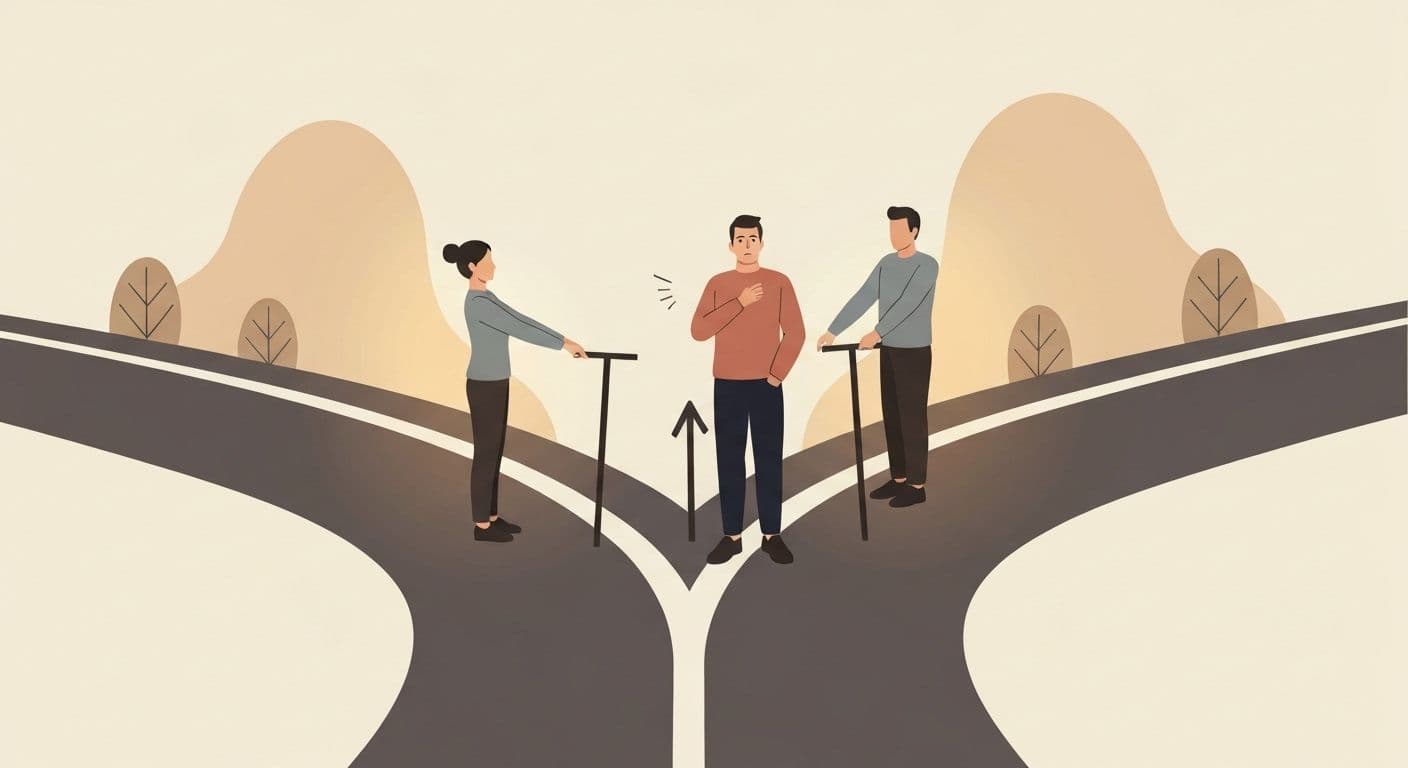
Friendship After Breakup: Why Friends Pick Sides & How to Keep Them
You scroll through your phone and notice something strange—three mutual friends have suddenly stopped liking your posts. Then you hear through the grapevine that your ex is hanging out with "the group" this weekend, and you weren't invited. The breakup was painful enough, but now you're facing a second loss: your social circle. Understanding how to maintain friendship after breakup situations isn't just about salvaging relationships—it's about protecting your emotional well-being during an already vulnerable time.
The truth is, friendship after breakup complications are incredibly common, and they're rooted in predictable social psychology. When friends start picking sides, it's rarely personal, even though it feels that way. The good news? With the right approach, you can navigate these murky waters without forcing anyone to choose or losing everyone you care about. Let's explore why this happens and what you can do about it.
Why Friendship After Breakup Gets Complicated: The Social Psychology Behind Taking Sides
When mutual friends start gravitating toward one person after a split, cognitive dissonance is often the culprit. This psychological phenomenon makes people uncomfortable when they hold conflicting beliefs—like wanting to support both you and your ex while knowing you might not want them to. To resolve this mental tension, friends often simplify things by choosing one relationship to prioritize.
There's also an unspoken social pressure to demonstrate loyalty. Friends worry that maintaining both relationships might signal they're not truly supportive of either person. This loyalty-testing mindset becomes especially strong if the breakup was messy or if one person appears more hurt than the other.
The awkwardness factor plays a huge role too. Friends fear creating uncomfortable group dynamics—imagine trying to plan a dinner party when two people can't be in the same room. Rather than navigate this complexity, many people take the path of least resistance and stick with whichever friendship feels easier or more established.
The depth and length of individual friendships matters enormously in navigating friendship after breakup scenarios. If your ex has known certain friends since college and you met them two years ago, the math isn't complicated. Similarly, who initiated the breakup shapes the narrative. The person who ended things might be perceived as the "villain," while the one who was left becomes the sympathetic figure friends rally around.
Practical Strategies for Maintaining Friendship After Breakup Without Creating Awkwardness
Ready to take control of your social life post-breakup? Start by explicitly giving friends permission to remain friends with your ex. This single conversation removes enormous pressure and shows emotional maturity. Say something like, "I want you to know I'm totally fine with you staying friends with both of us—please don't feel like you need to choose."
Here's what not to do: avoid extensive venting sessions about your ex with mutual friends or asking them to relay messages. These behaviors put friends in the middle and make them uncomfortable. Instead, process your feelings through healthier emotional outlets that don't burden your social circle.
Setting clear boundaries about what you're comfortable hearing is crucial for effective friendship after breakup navigation. Tell friends, "I'm working on moving forward, so I'd prefer not to hear updates about their dating life right now." This protects your emotional space without asking friends to completely avoid your ex.
Initially, suggest one-on-one hangouts rather than group settings. This eases tension and lets you build individual connections without the pressure of navigating group dynamics. Coffee dates, walks, or casual lunches work perfectly for keeping friends after breakup situations.
Focus on strengthening individual relationships rather than treating your friend group as a collective unit. Each friendship is unique, and some friends will naturally feel closer to you than others. Invest energy where it's reciprocated, and you'll discover which relationships have staying power.
Demonstrate emotional maturity by not creating drama or putting friends in awkward positions. This means being honest about your needs without making friends feel responsible for managing your emotions. Instead of saying "I can't believe you're still hanging out with them," try "I'm working through some feelings about the breakup, so I might need a bit of space from group events for now."
Protecting Your Emotional Well-being While Preserving Friendship After Breakup
Here's something important to acknowledge: some friendships may naturally fade after a breakup, and that's not a personal failure or something you messed up. People grow apart for countless reasons, and a breakup simply accelerates changes that might have happened anyway.
Recognize when maintaining a friendship drains more energy than it provides. If seeing certain friends consistently leaves you feeling worse about yourself or the situation, it's okay to step back. Your emotional health matters more than preserving every relationship from your pre-breakup life.
Use science-driven tools like emotional intelligence coaching to process complex feelings without overwhelming your friends. The Ahead app provides bite-sized techniques for managing the emotional rollercoaster of friendship after breakup challenges, giving you a supportive resource that's always available.
While working to maintain existing friendships, actively build new connections too. Join a class, attend meetups, or explore hobbies you've been curious about. Fresh friendships provide perspective and remind you that your social world isn't limited to pre-breakup relationships.
Reframe this challenging period as an opportunity to discover who your truly supportive friends are. The people who make an effort to maintain individual relationships with you—who check in, make plans, and don't disappear—are worth investing in long-term.
Navigating friendship after breakup situations tests your emotional resilience, but it also reveals your capacity for growth. With practical strategies for managing difficult emotions, you'll emerge with stronger boundaries, deeper self-awareness, and friendships built on authentic connection rather than convenience.



