


Heartbreak Love: How Loving Again Rewires Your Brain for Resilience
The thought of opening your heart after heartbreak love can feel terrifying. You've been hurt, you've rebuilt yourself piece by piece, and now someone new stands before you. Your brain screams warnings, reminding you of the pain you endured. But here's the surprising truth: choosing to love again after emotional pain doesn't make you vulnerable—it makes you stronger. When you embrace heartbreak love (the act of loving after loss), you're not just healing; you're literally rewiring your brain for deeper resilience and more authentic connections.
Science reveals something remarkable about vulnerability after loss: each time you choose love despite past pain, your brain creates new neural pathways that strengthen your emotional capacity. This isn't wishful thinking or motivational fluff—it's neuroscience. Your past heartbreak becomes the foundation for something more powerful than you experienced before. Those difficult experiences didn't break you; they prepared your brain to love more wisely, more deeply, and with greater emotional intelligence than ever before.
Ready to discover why your brain becomes more resilient with each heartbreak love experience? Let's explore the fascinating science behind how choosing love after loss transforms you into someone capable of emotional growth and authentic connection.
How Heartbreak Love Rewires Your Brain's Neural Pathways
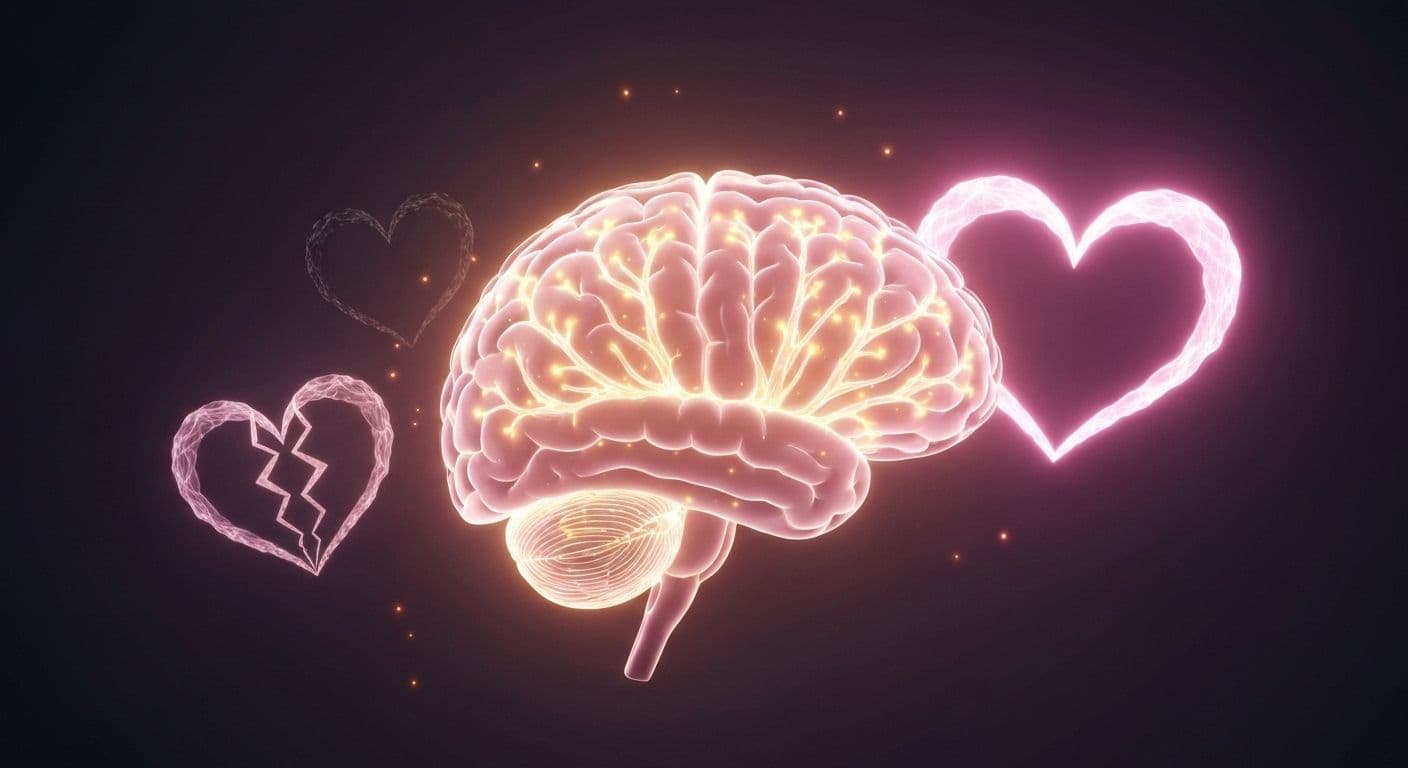
Your brain possesses an incredible ability called neuroplasticity—the capacity to form new neural connections throughout your life. When you experience heartbreak love, your brain doesn't just recover; it fundamentally reorganizes itself. Each relationship creates neural pathways that process emotional information, and when you love again after loss, your brain builds entirely new connections that integrate past experiences with present possibilities.
Here's what makes this process so powerful: heartbreak love activates different brain regions than first-time love does. When you loved for the first time, your brain relied heavily on the reward centers, flooding you with dopamine and creating that intoxicating feeling of infatuation. But when you choose vulnerability after heartbreak, your prefrontal cortex—the area responsible for decision-making and emotional regulation—becomes significantly more active. This means your brain processes new love with greater wisdom and emotional intelligence.
Research in neuroscience shows that people who love again after loss develop enhanced emotional processing abilities. Your brain literally learns from each relationship, creating stronger connections between the amygdala (which processes emotions) and the prefrontal cortex (which regulates them). This integration allows you to experience emotions fully while maintaining better control over your responses. You're not becoming cold or guarded—you're becoming emotionally sophisticated.
The science of heartbreak love reveals that your brain uses past experiences to make smarter emotional decisions. Each time you navigate a relationship, your neural networks store information about what works, what doesn't, and what you truly need. When you love again, these networks activate automatically, helping you recognize healthy patterns and avoid destructive ones. This isn't about being jaded; it's about your brain developing emotional resilience through experience.
Building Emotional Resilience Through Heartbreak Love
Vulnerability after loss creates something psychologists call post-traumatic growth—the phenomenon where people emerge from difficult experiences stronger and more capable than before. When you practice heartbreak love, you're actively building this resilience. Each time you choose to trust again, you're teaching your brain that emotional pain, while real, is survivable and even transformative.
This process develops emotional flexibility—the ability to adapt to changing relationship dynamics while maintaining your sense of self. Your brain learns to hold multiple truths simultaneously: you can acknowledge past pain while remaining open to future joy. You can protect your boundaries while still offering genuine vulnerability. This balanced approach comes from the neural rewiring that heartbreak love creates, allowing you to navigate relationships with both wisdom and openness.
Past experiences through heartbreak love give you something invaluable: a deeper understanding of your authentic needs and boundaries. Your brain processes each relationship as data, helping you recognize what truly matters to you versus what you thought you wanted. This clarity comes from strengthened neural pathways that connect self-awareness with emotional decision-making. You're not settling or compromising—you're choosing more intentionally because your brain has developed the capacity to know the difference.
The resilience skills gained through heartbreak love are measurable and practical. You develop enhanced emotional awareness, recognizing your feelings without being overwhelmed by them. You cultivate self-compassion, understanding that having a setback doesn't define you. Most importantly, you build realistic expectations, approaching new connections with hope tempered by wisdom. These aren't defensive mechanisms—they're signs of emotional intelligence and growth.
Your Brain's Blueprint for Deeper Heartbreak Love Connections
Each heartbreak love experience builds stronger neural foundations for future relationships. Your brain doesn't just heal from past pain—it uses that pain to create more sophisticated emotional processing systems. The neural pathways formed through choosing love after loss give you the capacity for deeper, more authentic connections than you thought possible. This is your brain's remarkable gift: transforming vulnerability into strength.
Choosing heartbreak love is an active rewiring process that strengthens you at the neurological level. Your increased emotional capacity isn't just healing—it's evolution. The deeper connections you create now are built on neural foundations that integrate wisdom, resilience, and authentic vulnerability. That's the power of heartbreak love: it doesn't just help you survive—it helps you thrive in ways you never could before.



