


How to Sleep Through the Night When Going Through a Heartbreak
When you're going through a heartbreak, the nights become unbearable. Your mind races with memories, what-ifs, and painful realizations right when you need rest most. You're not imagining the connection between heartbreak and sleep disruption—emotional pain literally activates the same brain regions as physical pain, making it nearly impossible to drift off peacefully.
Here's what makes this particularly challenging: sleep during heartbreak isn't just about feeling tired the next day. Quality rest directly impacts your emotional regulation, helping your brain process difficult feelings and rebuild resilience. When you're sleep-deprived, your amygdala (the emotional center of your brain) becomes 60% more reactive to negative stimuli, intensifying those already overwhelming feelings.
The good news? You don't need complex solutions or exhausting routines to improve your sleep while going through a heartbreak. Science-backed strategies exist that work specifically for emotionally turbulent times, and they're simpler than you think. You're not alone in this struggle—nearly everyone experiencing heartbreak battles with sleep—and there's a clear path forward.
Calming Your Racing Thoughts When Going Through a Heartbreak
That mental loop of replaying conversations and analyzing what went wrong? It's your brain's attempt to solve an unsolvable problem at the worst possible time. Instead of fighting these thoughts directly, redirect your mental energy using techniques that work with your nervous system, not against it.
Breathing Techniques for Sleep
The 4-7-8 breathing technique activates your parasympathetic nervous system, essentially telling your body it's safe to rest. Here's how it works: breathe in through your nose for 4 counts, hold for 7 counts, then exhale completely through your mouth for 8 counts. Repeat this cycle four times. This pattern reduces cortisol (your stress hormone) and increases melatonin production naturally.
When racing thoughts heartbreak keeps your mind spinning, your breath becomes the anchor that brings you back to the present moment. The counting itself provides just enough mental occupation to prevent rumination without requiring significant effort.
Mental Distraction Methods
Sometimes you need to occupy your mind completely. Try the alphabet game: pick a category (countries, foods, movies) and think of one item for each letter. Or count backwards from 300 by threes. These exercises engage your prefrontal cortex—the logical brain—which naturally quiets the emotional centers creating all that noise.
Body scan relaxation shifts your focus from emotional pain to physical sensations. Start at your toes and mentally relax each body part moving upward. This anxiety management technique redirects attention away from heartbreak-related thoughts to neutral physical awareness.
Here's the key insight: trying to "solve" relationship problems at bedtime never works. Your exhausted brain can't think clearly, and you'll just spiral deeper. Instead, acknowledge the thought with a simple reframe: "These thoughts will be here tomorrow, but right now I'm choosing rest." This isn't avoidance—it's strategic prioritization.
Creating a Soothing Nighttime Routine While Going Through a Heartbreak
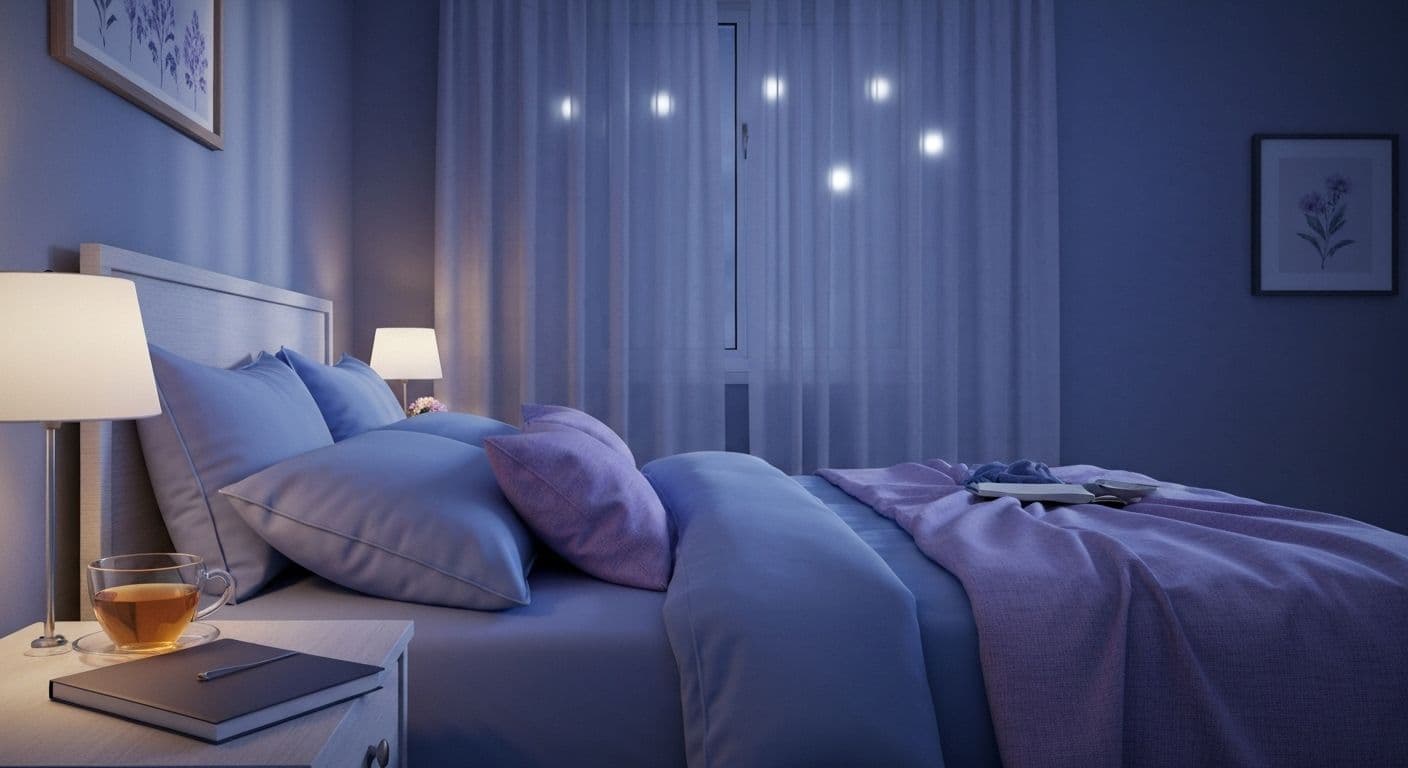
Your environment dramatically impacts sleep quality, especially when you're emotionally vulnerable. Small adjustments to your bedroom and pre-sleep habits create a foundation for better rest during heartbreak recovery.
Temperature regulation matters more than most people realize. Keep your bedroom between 60-67°F—this cooler environment helps your core body temperature drop, signaling to your brain that it's time for sleep. When you're going through a heartbreak, your stress response often keeps your body temperature elevated, so this environmental cooling becomes even more important.
Remove reminders and triggers from your bedroom space. That photo on your nightstand? Put it away for now. The hoodie they left behind? Move it to another room. Your bedroom should feel like a sanctuary for emotional recovery, not a museum of painful memories.
Simple sensory techniques provide comfort without requiring effort. White noise masks intrusive sounds that might trigger memories. Weighted blankets provide gentle pressure that reduces cortisol by 31% and increases serotonin. Calming scents like lavender activate your olfactory system's connection to the limbic system, promoting relaxation.
Consistency anchors you when emotions feel chaotic. Go to bed and wake up at the same time daily, even on weekends. This sleep routine heartbreak recovery approach stabilizes your circadian rhythm, making it easier to fall asleep despite emotional turbulence.
Set firm screen boundaries for the hour before bed. Social media becomes especially dangerous when you're emotionally raw—one tagged photo or status update can derail your entire night. Consider using priority-setting strategies to remind yourself that sleep ranks higher than scrolling.
Your Sleep Strategy for Healing While Going Through a Heartbreak
Better sleep during heartbreak comes down to three interconnected approaches: calming your mind with breathing and distraction techniques, optimizing your environment for rest, and maintaining consistent sleep-wake schedules. These aren't separate fixes—they work together to create conditions where sleep becomes possible again.
Remember, sleep better during heartbreak happens gradually. You might not sleep through the entire night immediately, and that's completely normal. Small improvements count: falling asleep 15 minutes faster, waking up once instead of three times, feeling slightly more rested. These incremental changes accumulate into genuine healing.
Prioritizing sleep isn't selfish when you're going through a heartbreak—it's essential for emotional recovery. Your brain literally processes painful experiences during REM sleep, helping you integrate what happened and move forward. By protecting your rest, you're actively healing.
Ready to try these techniques tonight? Start with just one or two rather than overwhelming yourself. Maybe begin with the 4-7-8 breathing and adjusting your bedroom temperature. Ahead offers more science-backed tools for emotional wellness that complement these sleep strategies, giving you comprehensive support during this difficult time.



