


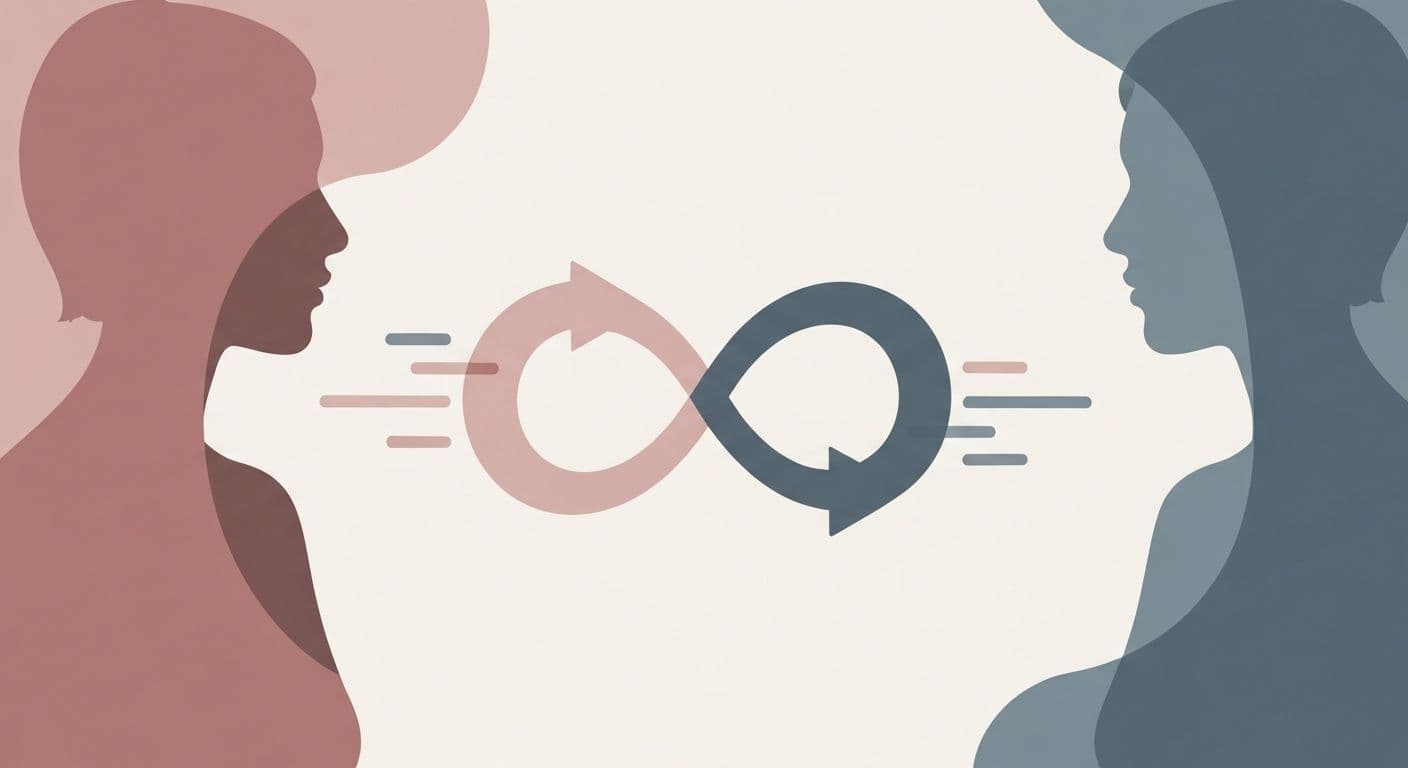
Multiple Breakups With the Same Person: 5 Hidden Patterns Explained
If you've experienced multiple breakups with the same person, you know the emotional exhaustion that comes with the cycle—the painful goodbyes, the longing during separation, the hope when you reconnect, and then the crushing realization that the same issues resurface. You're not alone in this pattern, and it's not a sign of weakness or poor judgment. Thousands of couples find themselves trapped in the breakup and reconciliation cycle, wondering why they can't seem to make it work or fully let go.
The truth is, repeated separations follow predictable patterns that operate beneath your conscious awareness. Understanding these hidden dynamics is the first step toward breaking free from the exhausting loop of multiple breakups with the same person. Relationship psychology research reveals that specific emotional patterns drive these recurring relationship struggles, and recognizing which one you're stuck in changes everything. Let's explore the five most common patterns that keep couples coming back together—only to fall apart again.
The 5 Hidden Patterns Behind Multiple Breakups With the Same Person
Pattern 1: The Conflict Avoider manifests when partners treat breakups as the ultimate conflict resolution tool. Instead of addressing issues directly, one or both partners end the relationship whenever tension builds. During the separation, problems feel resolved simply because you're not facing them. When you reconnect, those unaddressed issues remain dormant until the next disagreement surfaces. This pattern keeps couples experiencing multiple breakups with the same person because the core problems never get discussed or solved.
Pattern 2: The Intensity Addict thrives on emotional extremes. If your relationship feels defined by dramatic fights followed by passionate reconciliations, you might be caught in this breakup reconciliation cycle. The emotional payoff here is powerful—your brain's reward system becomes conditioned to associate love with intensity. Calm, stable moments feel boring by comparison, so you unconsciously create drama to feel that familiar rush. This is similar to how your brain's dopamine system responds to unpredictable rewards.
Pattern 3: The Fear-Based Flip-Flop involves alternating between two powerful fears—abandonment and intimacy. When you're apart, the fear of losing this person forever drives you back together. Once reunited, the vulnerability of true intimacy triggers a fear of being hurt or trapped, prompting another breakup. This pattern creates a push-pull dynamic where neither partner feels safe, leading to recurring relationship struggles that seem impossible to escape.
Pattern 4: The Unspoken Expectations pattern operates through mismatched assumptions about what the relationship should look like. You reunite with hope that things will be different, but neither partner explicitly discusses what needs to change. When unspoken expectations inevitably go unmet, disappointment leads to another separation. Recognizing this pattern requires developing emotional intelligence to identify and communicate your true needs.
Pattern 5: The Nostalgia Trap keeps you focused on the relationship's best moments while minimizing present incompatibilities. During separations, you remember the laughter, the connection, the good times—conveniently forgetting why you broke up. This selective memory pulls you back together, but reality quickly reminds you why the relationship doesn't work. This pattern is particularly powerful because nostalgia feels like genuine love, making it difficult to distinguish between what was and what could realistically be.
Understanding the Psychology of Multiple Breakups With the Same Person
The science behind recurring relationship struggles reveals why breaking this cycle feels so difficult. Intermittent reinforcement—when rewards come unpredictably—creates stronger behavioral patterns than consistent rewards. Each time you reconcile successfully, even temporarily, it reinforces the belief that "this time will be different," making the bond more difficult to break despite ongoing instability.
Emotional familiarity also plays a crucial role in multiple breakups with the same person. Your brain perceives familiar emotional patterns as safer than the unknown, even when those patterns cause pain. This is why leaving for good often feels more frightening than returning to a dysfunctional dynamic. The relationship psychology here is clear: your nervous system has adapted to this specific emotional landscape, making change feel threatening rather than liberating.
Understanding the difference between genuine growth and temporary behavioral changes is essential. Temporary changes happen when someone modifies their behavior to win you back without addressing underlying patterns. Genuine growth involves developing new decision-making frameworks and emotional awareness that prevent old patterns from resurfacing. Awareness of your specific pattern is the foundation for lasting change in relationship dynamics.
Breaking Free From Multiple Breakups With the Same Person
Ready to interrupt your pattern before it repeats? The first step is distinguishing between solvable problems and fundamental incompatibilities. Solvable problems have concrete solutions that both partners can implement. Fundamental incompatibilities involve core values, life goals, or relationship needs that conflict at their foundation.
Building emotional awareness helps you make conscious choices instead of reactive ones. When you feel the familiar pull to reconnect or the urge to end things, pause and identify which pattern is driving that impulse. This moment of awareness creates space for different choices. Science-driven tools for managing multiple breakups with the same person focus on developing this capacity for self-reflection and intentional action, helping you break the cycle and create healthier relationship patterns that actually serve your wellbeing.



