


Why Bachelor Breakups Trigger Anger More Than Sadness Explained
Ever watched a Bachelor finale and felt yourself getting weirdly angry instead of sad when your favorite contestant got rejected? You're not alone. That surge of irritation when the final rose doesn't go where you think it should reveals something fascinating about how your brain processes disappointment. These bachelor breakups on reality TV trigger an emotional pattern that's worth paying attention to—because it's the same pattern you're probably using in your own life without even realizing it.
The shift from "aww, that's heartbreaking" to "this is completely unfair!" happens faster than you can tweet about it. What makes bachelor breakups so emotionally charged isn't just the rejection itself—it's what that rejection reveals about your automatic emotional responses. When anger shows up before sadness, your brain is doing something protective, something it probably does all the time when you face setbacks in relationships, work, or personal goals.
Understanding why bachelor breakups spark this particular emotional cocktail helps you recognize when anger is actually masking deeper feelings. And once you spot this pattern on your screen, you'll start noticing it everywhere in your real life—which is exactly where the magic happens.
Why Bachelor Breakups Spark Anger Instead of Sadness
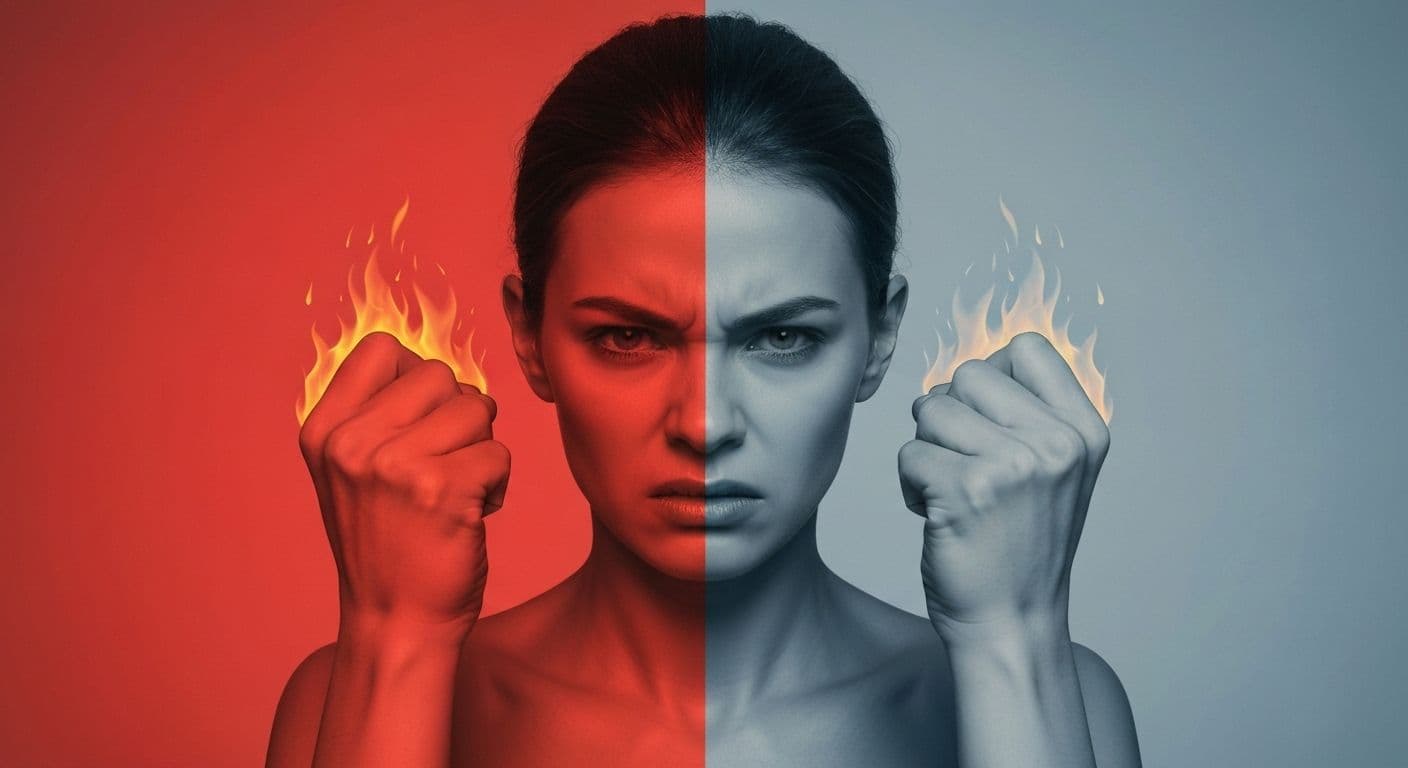
Your brain treats anger like emotional armor. When you watch bachelor breakups unfold on television, anger feels way more empowering than sadness because it creates the illusion that you have some control over an uncontrollable situation. Sadness makes you feel vulnerable and powerless—anger makes you feel energized and ready to fight back, even if there's nothing to actually fight.
Here's the psychology behind it: anger is what therapists call a "secondary emotion." It shows up to protect you from experiencing primary emotions like hurt, disappointment, or grief. When your favorite contestant gets blindsided in bachelor breakups, your brain quickly calculates that feeling angry about the injustice is safer than sitting with the sadness of watching someone's heart break in real time.
The Psychology of Defensive Anger
Public rejection amplifies this response because bachelor breakups violate our sense of fairness. You've invested hours watching someone fall in love, and when that investment doesn't pay off the way you expected, your brain interprets it as a broken contract. This triggers what psychologists call "justice sensitivity"—the part of you that gets fired up when things don't seem fair.
The brilliant thing about emotional patterns is that bachelor breakups provide a completely safe proxy for processing your own relationship disappointments. You get to feel all the feelings without any real-world consequences, which is why these shows are so addictive. Your anger at the Bachelor's choice might actually be anger about your own unmet expectations in dating or relationships.
What Your Reaction to Bachelor Breakups Reveals About Your Emotional Patterns
Pay attention next time you find yourself yelling at your TV during bachelor breakups. That intensity? It's showing you exactly how you handle disappointment when no one's watching. If your first response is anger rather than sadness, you're probably using the same defensive strategy in your personal life when things don't go your way.
Anger often signals unmet expectations or feelings of powerlessness. When you expected the "right" person to get chosen and they didn't, your brain experiences a mini-crisis of control. The same thing happens when a project at work doesn't go as planned, when a friend cancels plans, or when your partner forgets something important. The anger that shows up first is masking the deeper feeling: "I'm disappointed and I feel like I have no say in this outcome."
Primary vs Secondary Emotions
Science shows that beneath anger, there's almost always a more vulnerable emotion waiting to be acknowledged. During bachelor breakups, that might be genuine sadness for the rejected person, fear about your own relationship prospects, or disappointment that love didn't win the day. Learning to recognize anger as a secondary emotion helps you identify what you're really feeling—which is the first step toward actually processing those emotions instead of just stewing in frustration.
This awareness transforms how you handle setbacks. When you catch yourself getting angry about bachelor breakups (or anything else), you've found a clue about what matters to you and where you might be avoiding more tender feelings.
Channeling Bachelor Breakup Anger Into Constructive Emotional Growth
Ready to use your bachelor breakups reactions as an emotional intelligence gym? Start by simply pausing when you notice anger bubbling up. Instead of judging yourself for caring about a reality TV show, get curious. Ask yourself: "What am I really feeling right now?" This simple question interrupts the automatic anger response and creates space for deeper emotional awareness.
Try naming the emotion beneath the anger. "I'm actually disappointed that vulnerability didn't get rewarded" or "I'm sad seeing someone's hopes crushed publicly" or even "I'm worried this means nice people finish last." Each of these reveals something about your values and fears—information you can use to understand yourself better.
The beauty of practicing with bachelor breakups is that the stakes are delightfully low. You're building emotional recognition skills in a safe environment that translates directly to real-world situations. When you can spot anger as a shield during bachelor breakups, you'll start recognizing it when your boss gives critical feedback, when your partner seems distant, or when plans fall through.
This isn't about never feeling angry—anger has its place. It's about recognizing when anger is doing the heavy lifting for emotions you haven't quite figured out how to process yet. Bachelor breakups just happen to be the perfect, low-pressure training ground for building that awareness.



