


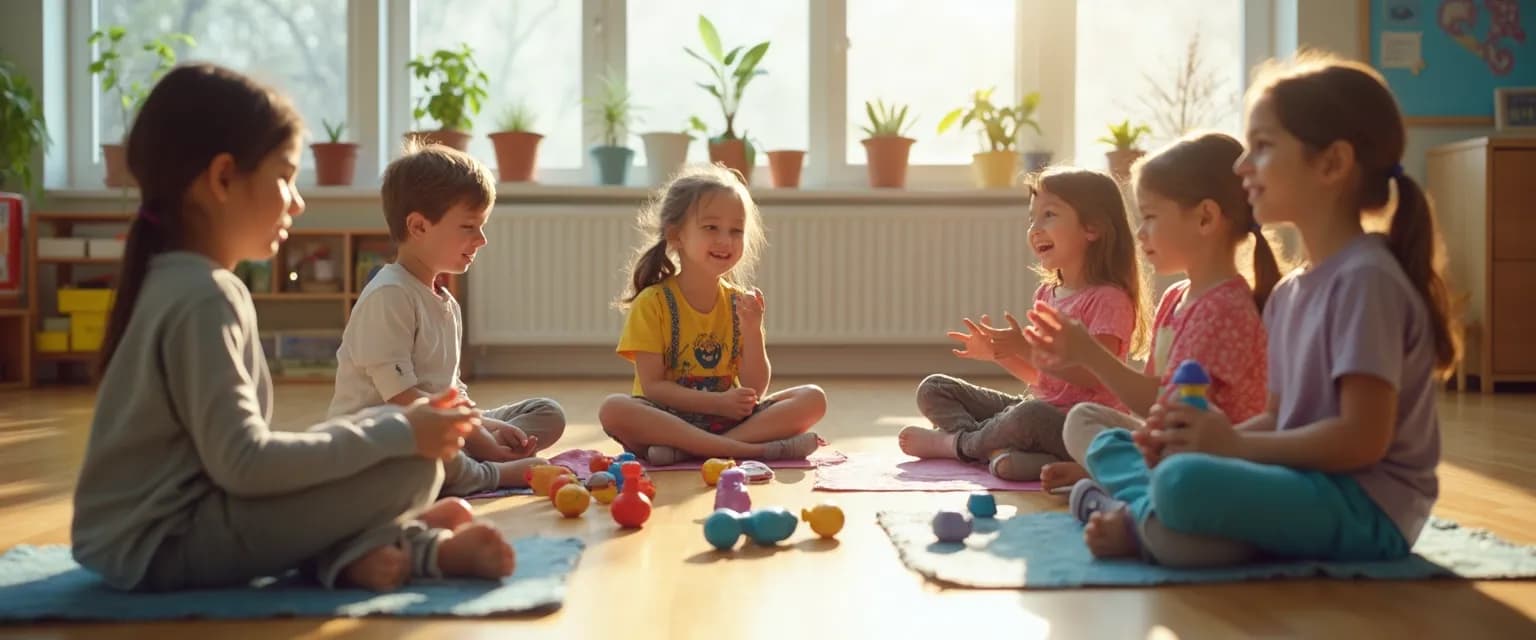
10 Quick Mindfulness in the Classroom Games for Focused Learning
Ever noticed how your classroom sometimes feels like a fidget spinner convention? In today's world of constant digital stimulation, student attention spans are shrinking faster than ice cream on a hot playground. That's where mindfulness in the classroom comes in – not as another task on your endless teacher to-do list, but as a powerful tool that transforms restless energy into focused learning. These 10 playful mindfulness games require minimal prep time (because we know you're busy!) and take less than five minutes to implement. The science is clear: consistent mindfulness in the classroom improves both academic performance and emotional regulation techniques, giving students skills they'll use long after the school bell rings.
Think of these activities as mental reset buttons – quick, engaging ways to bring wandering minds back to the present moment. When students learn to recognize and redirect their attention, they develop neural pathways that support better focus, reduced anxiety, and improved learning retention. The beauty of these mindfulness in the classroom techniques is their simplicity – they fit seamlessly into your existing routine, creating calmer, more productive learning environments without adding to your workload.
5 Essential Mindfulness in the Classroom Games for Elementary Students
Young learners respond beautifully to mindfulness when it's presented as playful exploration rather than another classroom rule. These five activities harness elementary students' natural curiosity while building foundational attention skills:
1. The Mindful Bell
Ring a small bell or chime and invite students to raise their hands when they can no longer hear the sound. This simple exercise anchors wandering attention through auditory focus, creating an instant reset for distracted minds. Use this mindfulness in the classroom technique during transitions or when energy levels need balancing.
2. Five Senses Check-In
Guide students to notice five things they can see, four they can touch, three they can hear, two they can smell, and one they can taste. This grounding exercise helps fidgety students reconnect with their immediate environment, making it easier to focus on learning tasks afterward.
3. Breathing Buddies
Have students place small stuffed animals on their bellies while lying down. As they breathe deeply, they watch their "buddies" rise and fall, making breath awareness concrete and playful. This micro-break technique works wonders before challenging academic work.
4. Gratitude Circle
Spend one minute sharing quick gratitudes – "I'm thankful for recess," "I'm grateful for my new book." This positive energy shift creates a receptive state for learning while building classroom community.
5. Mindful Movement Minute
Lead students through simple stretches with attention to how their bodies feel. This redirects physical restlessness into body awareness, making the transition to seated work smoother.
5 Advanced Mindfulness in the Classroom Techniques for Middle and High School
Older students benefit from mindfulness practices that acknowledge their developing metacognitive abilities and social awareness:
1. Thought Clouds
Guide students to visualize distracting thoughts as clouds passing overhead. They acknowledge each thought without judgment, then watch it float away. This powerful mindfulness in the classroom strategy helps teens manage the mental chatter that often derails focus.
2. One-Minute Mindful Writing
Set a timer for 60 seconds and invite students to write continuously about their current experience – no editing, just observing. This brief exercise helps reset attention before diving into academic writing tasks.
3. Mindful Listening Challenge
Play a complex piece of music and challenge students to identify specific instruments or patterns. This sharpens attention to detail while providing a refreshing mental break.
4. Emotion Weather Report
Ask students to briefly describe their emotional state as a weather pattern: "I'm feeling partly cloudy with a chance of frustration." This emotional awareness exercise builds self-regulation skills essential for focused learning.
5. Focus Flashlight
Teach students to imagine their attention as a beam of light they can intentionally direct toward their work, noticing when the beam wanders and gently bringing it back. This metacognitive approach empowers teens to take ownership of their attention.
Integrating Mindfulness in the Classroom Throughout the School Day
The true power of mindfulness in the classroom emerges when these games become part of your regular routine. Try starting class with a 30-second breathing exercise, using the Mindful Bell during transitions, or implementing the Emotion Weather Report before tests. These brief practices create natural pauses that allow students' brains to process information more effectively.
To measure impact, notice changes in transition times, homework completion rates, and classroom atmosphere. Many teachers report that consistent mindfulness in the classroom practice reduces disruptions and increases student engagement, creating more productive learning environments with minimal additional effort.
Remember that mindfulness is a skill developed through consistent practice. By integrating these playful mindfulness in the classroom activities throughout your day, you're not just managing behavior – you're teaching students valuable self-regulation tools they'll use throughout their lives.



