


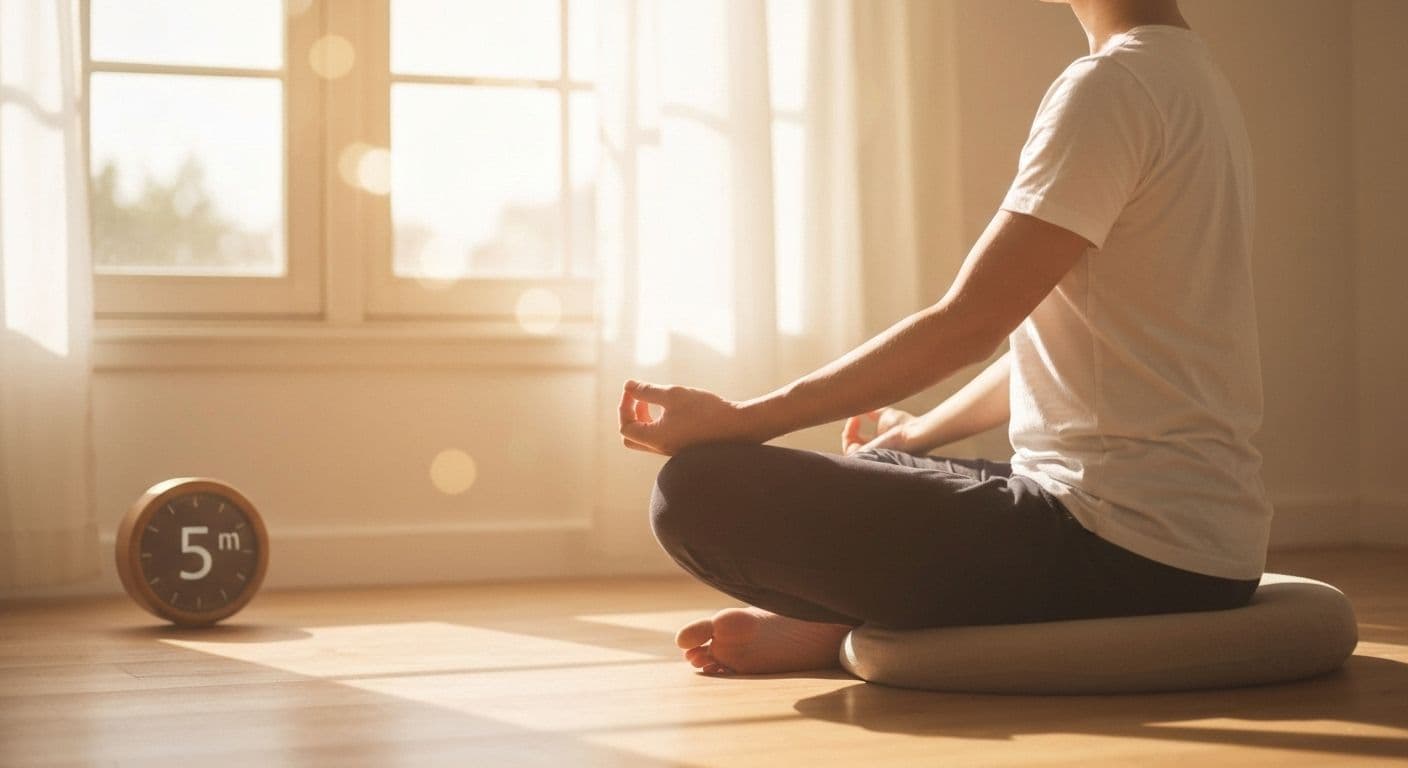
5-Minute Meditation for Peace of Mind: Build a Habit That Sticks
You've downloaded meditation apps, set ambitious goals, and maybe even managed a few days of consistent practice. Then life happened, and your meditation habit quietly disappeared. Sound familiar? Here's the thing: building a sustainable meditation for peace of mind practice isn't about willpower or finding extra hours in your day. It's about designing a system so simple that not meditating feels harder than actually doing it.
The beauty of a 5-minute daily meditation habit is that it sidesteps the biggest obstacle most people face: the belief that meditation requires significant time investment. Research shows that brief, consistent practices build neural pathways more effectively than sporadic longer sessions. Your brain responds to repetition, not duration. This means five minutes every single day beats an hour-long session once a week.
This guide walks you through the exact framework for making meditation for peace of mind automatic. No vague advice about "finding your zen" or "making time for yourself." Just practical, science-backed strategies that work with your existing life, not against it. Ready to build a habit that actually sticks? Let's make meditation as automatic as brushing your teeth.
Choosing Your Perfect Time for Meditation for Peace of Mind
The secret to consistency isn't motivation—it's elimination of decision-making. When you anchor your meditation to an existing habit, you remove the daily question of "when should I meditate?" This technique, called habit-stacking, leverages your brain's existing neural pathways to build new behaviors.
Morning meditation anchors work brilliantly for many people. Link your practice to something you already do without thinking: right after you start your coffee maker, immediately after brushing your teeth, or before you check your phone. The key is choosing a trigger that happens at the same time every day. One effective approach involves morning routine optimization to create natural meditation windows.
But here's what most meditation advice gets wrong: morning isn't magical. If you're not a morning person, forcing a dawn practice sets you up for failure. Evening wind-down meditation triggers work equally well. Stack your meditation right after changing into comfortable clothes, immediately after dinner cleanup, or during that transition between work mode and relaxation time.
For those with unpredictable schedules, lunch break meditation triggers offer flexibility. Set a phone alarm for the same time daily, or link it to a midday routine like heating up lunch or taking your afternoon vitamins. The science is clear: consistency in timing matters more than the specific time you choose. Your brain builds automatic responses based on when, not what time of day.
Creating Environmental Triggers That Make Meditation for Peace of Mind Automatic
Your environment either supports your meditation habit or sabotages it. The goal is designing physical spaces that make starting your practice the path of least resistance. Place a meditation cushion in a visible spot where you'll literally trip over it. Leave your meditation app open on your phone. These visual reminders eliminate the micro-decisions that drain motivation.
Reducing meditation friction means removing barriers before they become excuses. Keep your meditation spot ready to use—no setup required. If you meditate seated, leave a chair positioned in your designated space. If you prefer lying down, keep a specific blanket folded and visible. The two-minute rule applies perfectly here: make the first two minutes of starting so easy that resistance becomes impossible.
Technology serves you best when it reduces friction rather than adds complexity. Set a daily phone reminder, but don't become dependent on elaborate app features. Simple beats sophisticated when building habits. Similar to energy management strategies, your meditation practice benefits from minimal cognitive load.
Backup meditation strategies prevent the "all-or-nothing" trap. Can't access your usual spot? Identify three alternative locations: your parked car, a quiet corner at work, or even your bathroom. Having predetermined backup plans means unexpected circumstances don't derail your entire practice. This flexibility transforms meditation from a fragile routine into a robust daily meditation habit.
Troubleshooting Common Obstacles to Your Meditation for Peace of Mind Practice
Forgetting ranks as the number one reason meditation habits fail, but it's completely preventable. Layer your reminder systems: phone alarms, visual cues, and habit-stacking all working together. When one system fails, another catches you. This redundancy isn't overkill—it's smart design for overcoming mental blocks that sabotage consistency.
The "too busy" mindset deserves a perspective shift. You're not finding time for meditation for peace of mind—you're investing five minutes to improve the quality of your remaining 1,435 minutes each day. Research shows brief meditation sessions enhance focus, reduce stress responses, and improve decision-making throughout the day. The return on investment is substantial.
Expect the motivation dip around day seven to ten. Your initial enthusiasm fades, and the practice feels less novel. This is normal and predictable. The solution? Lower the bar temporarily. On difficult days, commit to just two minutes or even sixty seconds. Maintaining the consistency matters more than duration. This approach mirrors effective productivity strategies that prioritize showing up over perfection.
When you miss days—and you will—the recovery strategy determines whether your habit survives. Never miss twice in a row. One missed day is a minor setback; two consecutive days begins a pattern. If you miss your morning slot, do it at lunch. If you miss entirely, start fresh tomorrow without self-criticism. Progress beats perfection every single time.
Building a sustainable meditation for peace of mind practice isn't about dramatic life overhauls. It's about strategic habit design that works with your brain's natural tendencies. Five minutes daily, anchored to existing routines, with environmental support and flexible backup plans—this combination creates meditation habits that stick for years, not weeks.



