


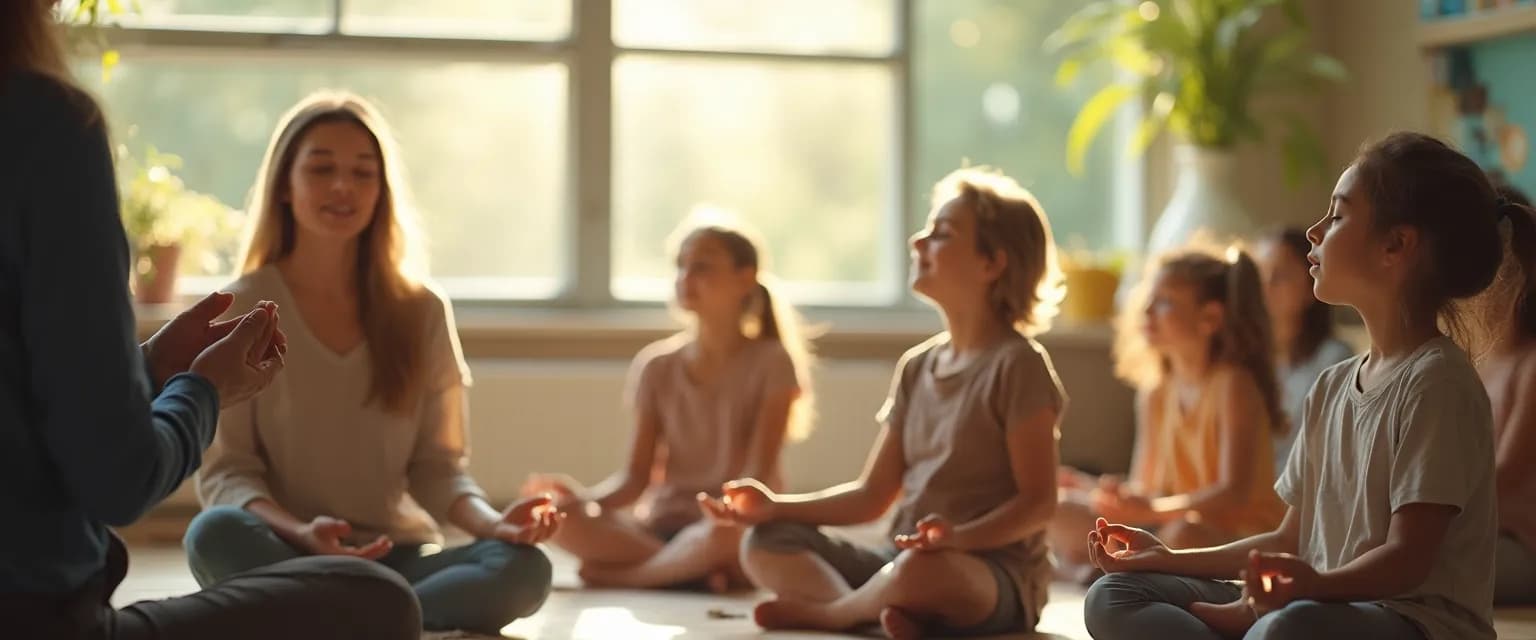
5-Minute Mindfulness in Schools: Quick Breaks Between Lessons for Teachers
Ever noticed how classroom energy shifts between lessons? Students shuffle papers, whisper to friends, or mentally check out during transitions. These moments present a golden opportunity to introduce mindfulness in schools—quick, intentional practices that help students reset and refocus. As educators face increasing pressure to cover curriculum while supporting student wellbeing, these 5-minute mindfulness breaks offer a practical solution that requires minimal prep but delivers maximum benefit.
Implementing mindfulness in schools doesn't require extensive training or special equipment. Research consistently shows that even brief mindfulness practices improve student attention, emotional regulation, and classroom behavior. A 2019 study found that students participating in regular mindfulness techniques showed significant improvements in focus and reduced stress compared to control groups.
These quick mindfulness breaks serve as mental palate cleansers, helping students transition between subjects while building valuable self-regulation skills. Let's explore how to seamlessly integrate these practices into your classroom routine.
Quick Mindfulness in Schools: Breathing Techniques for Classroom Transitions
Breathing exercises form the foundation of effective mindfulness in schools practices. They require no special equipment and can be completed in exactly five minutes. Start with the "5-4-3-2-1" technique: guide students to take five deep breaths, then notice four things they can see, three things they can hear, two things they can feel, and one thing they can smell.
For younger students (K-3), use visual aids like imagining belly breathing with a stuffed animal on their stomach, watching it rise and fall. Older students respond well to the "square breathing" method: inhale for four counts, hold for four, exhale for four, and hold again for four counts.
Create consistent cues to signal the start of mindfulness practice. A small chime, a specific phrase, or dimming lights helps students recognize it's time to transition. As one teacher noted, "My students now automatically settle when they hear our mindfulness bell—it's become a powerful micro-routine that transforms our classroom energy."
Body-Based Mindfulness in Schools: Movement Breaks That Calm and Focus
Physical mindfulness activities offer powerful ways to help students reconnect with their bodies while releasing excess energy. Try "desk yoga" poses that students can perform in limited space: gentle neck rolls, shoulder stretches, and seated twists take just minutes but effectively release physical tension.
The popular "shake it out" exercise works wonders for all ages: students shake their hands vigorously for 10 seconds, then their arms, then their legs, and finally their whole body. Finish by standing still and noticing the sensations throughout their body.
For middle and high schoolers, introduce the "progressive muscle relaxation" technique. Guide students to tense and then release different muscle groups, moving from toes to head. This practice helps students recognize when they're holding tension—a valuable emotional awareness skill that transfers to high-stress situations like tests or presentations.
Implementing Mindfulness in Schools: Creating a Sustainable Practice
Consistency is key when establishing mindfulness in schools. Start small by introducing one 5-minute practice daily, perhaps after lunch when energy tends to dip. As students become familiar with the routine, expand to transition points between subjects.
Track the effects of your mindfulness practice using simple metrics. Note changes in transition time, classroom noise level, and how quickly students engage with the next lesson. Many teachers report that after implementing regular mindfulness breaks, transitions that once took 7-8 minutes now take just 2-3 minutes—actually saving instructional time.
When challenges arise, remember that mindfulness in schools is itself a practice. If a session doesn't go as planned, use it as a teaching moment about flexibility and trying again. Create a dedicated space in your classroom with visual reminders of breathing techniques or mindful movement poses for students who need additional support.
By incorporating these brief mindfulness in schools practices between lessons, you're not just creating calmer transitions—you're equipping students with valuable self-regulation tools they'll carry throughout their lives. As one elementary teacher put it, "The five minutes we spend on mindfulness pays back tenfold in student focus and emotional wellbeing."



