


7 Mindfulness Based Stress Reduction Body Scan Variations to Stay Awake
Ever tried a body scan meditation only to wake up 20 minutes later, confused and drooling? You're not alone. The traditional mindfulness based stress reduction body scan is designed to relax your body and mind, but for many people, it works a little too well. That gentle voice guiding you through each body part becomes a lullaby, and suddenly you're catching Z's instead of catching your breath.
Here's the thing: falling asleep during mindfulness based stress reduction practice isn't a sign you're doing it wrong—it just means your body desperately needs rest. But here's what most people don't realize: the real magic of MBSR body scan happens when you maintain that sweet spot between deep relaxation and alert awareness. When you stay awake, you're training your brain to recognize tension patterns, process stress differently, and build genuine emotional resilience. Sleep is great, but it's not mindfulness.
Ready to discover body scan variations that keep you engaged while delivering all the stress-busting benefits? These seven practical modifications transform the drowsy experience into an energized mindfulness based stress reduction practice that actually sticks.
Seated and Movement-Based Mindfulness Based Stress Reduction Body Scan Techniques
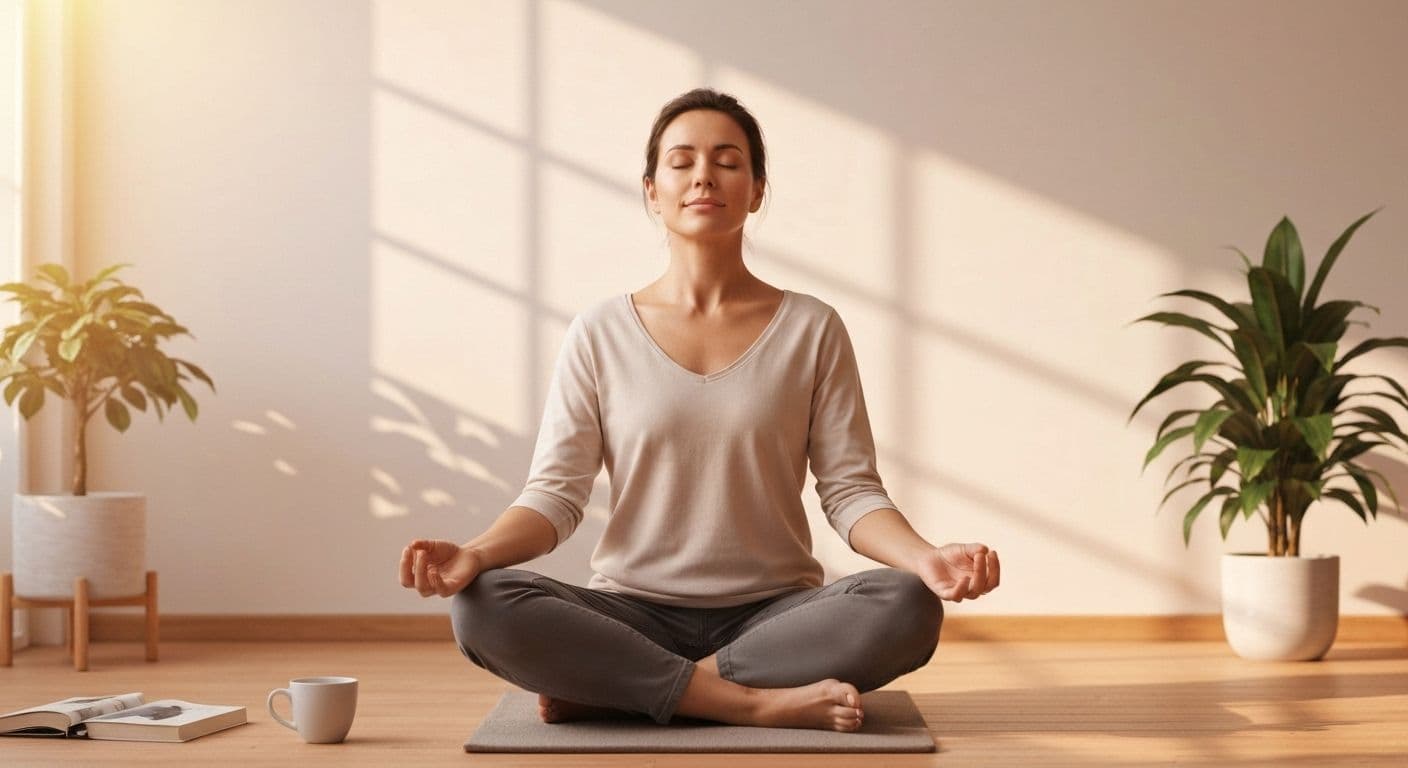
Let's start with the simplest fix: ditch the lying-down position. Variation 1 is the seated body scan, where you practice mindfulness based stress reduction while sitting upright in a chair. Keep your spine straight, feet flat on the floor, and hands resting on your thighs. This posture naturally maintains alertness while you scan through each body part. Your brain associates sitting with activity, making it significantly harder to drift off.
Variation 2 takes things up a notch with the walking body scan. Yes, you can practice MBSR techniques while moving! Walk slowly and deliberately, bringing awareness to each foot as it lifts, moves through the air, and makes contact with the ground. Then expand your awareness to your ankles, calves, knees, and up through your entire body. Movement keeps your nervous system engaged while deepening your mindful awareness of physical sensations.
Variation 3 is the standing body scan, perfect for when you need maximum alertness during mindfulness based stress reduction practice. Stand with feet hip-width apart, feeling the weight distribution across your feet. This variation challenges your balance slightly, which naturally keeps your attention sharp as you scan through different body regions.
Variation 4 introduces dynamic body scan with micro-movements. Instead of staying perfectly still, you add tiny, intentional movements to each body part as you scan it. Wiggle your toes when focusing on your feet, rotate your wrists slightly when scanning your hands, or gently roll your shoulders. These subtle movements prevent the stillness-induced drowsiness while maintaining all the core benefits of traditional MBSR body scan practice.
The beauty of these postural adjustments? They preserve everything valuable about mindfulness based stress reduction while eliminating the naptime problem. You're still building body awareness, releasing tension, and training your attention—just without the snoring.
Sensory Anchors and Enhanced Awareness for Mindfulness Based Stress Reduction Practice
Now let's add some sensory spice to your practice. Variation 5 is the temperature-focused body scan, where you use temperature contrasts as alertness anchors. Try practicing near an open window where cool air touches your skin, or hold a cool object in one hand while scanning. Notice how different body parts feel warmer or cooler. Temperature sensations naturally grab your attention and make drowsiness nearly impossible.
Variation 6 incorporates tactile elements into your mindfulness based stress reduction routine. Place textured objects like a smooth stone, bumpy stress ball, or soft fabric within reach. As you scan each body part, occasionally touch these objects to ground yourself in present-moment awareness. The varied textures create sensory interest that keeps your mind engaged throughout the practice, similar to how micro-breaks can reset your focus.
Variation 7 might seem counterintuitive, but it's remarkably effective: the eyes-open body scan. Instead of closing your eyes (hello, sleep trigger!), keep them open with a soft, unfocused gaze directed at a spot on the floor or wall. This simple adjustment dramatically reduces drowsiness while maintaining all the benefits of traditional MBSR practice. Your visual system stays slightly active, preventing that drift into unconsciousness.
These sensory anchors work because they give your brain something concrete to hold onto. Rather than floating off into dreamland, your attention has multiple points of contact with the present moment. Think of them as guardrails that keep your awareness on track while you explore the landscape of your body's sensations.
Ready to integrate these variations into your daily routine? Start by experimenting with one or two that appeal to you most. You might discover that standing works best in the morning, while seated practice fits your evening energy levels perfectly.
Making These Mindfulness Based Stress Reduction Variations Work for Your Practice
Choosing the right variation depends on your current energy level and environment. Feeling exhausted? Go with standing or walking variations. Practicing at work? The seated version with eyes open works perfectly. The goal is finding that balance where you're deeply relaxed but completely aware.
Here's your permission to mix and match: combine the seated posture with temperature awareness, or try walking with tactile anchors. Your personalized mindfulness based stress reduction approach should feel sustainable and engaging, not like a battle against sleep. When you notice yourself staying present for the entire practice, feeling both relaxed and energized afterward, you've nailed it.
These variations transform body scan from a naptime activity into a powerful tool for stress management and emotional well-being. Ready to experience mindfulness based stress reduction that actually keeps you awake? Your alert, aware, and stress-free self is waiting.



