


7 Playful Activities That Strengthen Social Emotional Learning Self-Awareness
Middle school years mark a pivotal time for developing social emotional learning self awareness—that magical ability to understand your own emotions, strengths, and growth areas. As pre-teens navigate changing social dynamics and intense emotions, playful activities offer the perfect vehicle for building these crucial skills. Rather than dry lessons, engaging activities create memorable experiences that strengthen self-awareness naturally and joyfully.
For teachers and parents seeking effective ways to support middle schoolers' emotional growth, the right approach makes all the difference. These seven strategies for managing emotions transform social emotional learning self awareness from an abstract concept into tangible skills. Whether implemented in classrooms or family settings, these activities create safe spaces for pre-teens to explore who they are and how they relate to others.
Let's explore seven playful activities specifically designed to strengthen social emotional learning self awareness in this crucial developmental stage—each one engaging enough to captivate even the most distraction-prone middle schoolers.
Fun Group Activities for Social Emotional Learning Self Awareness
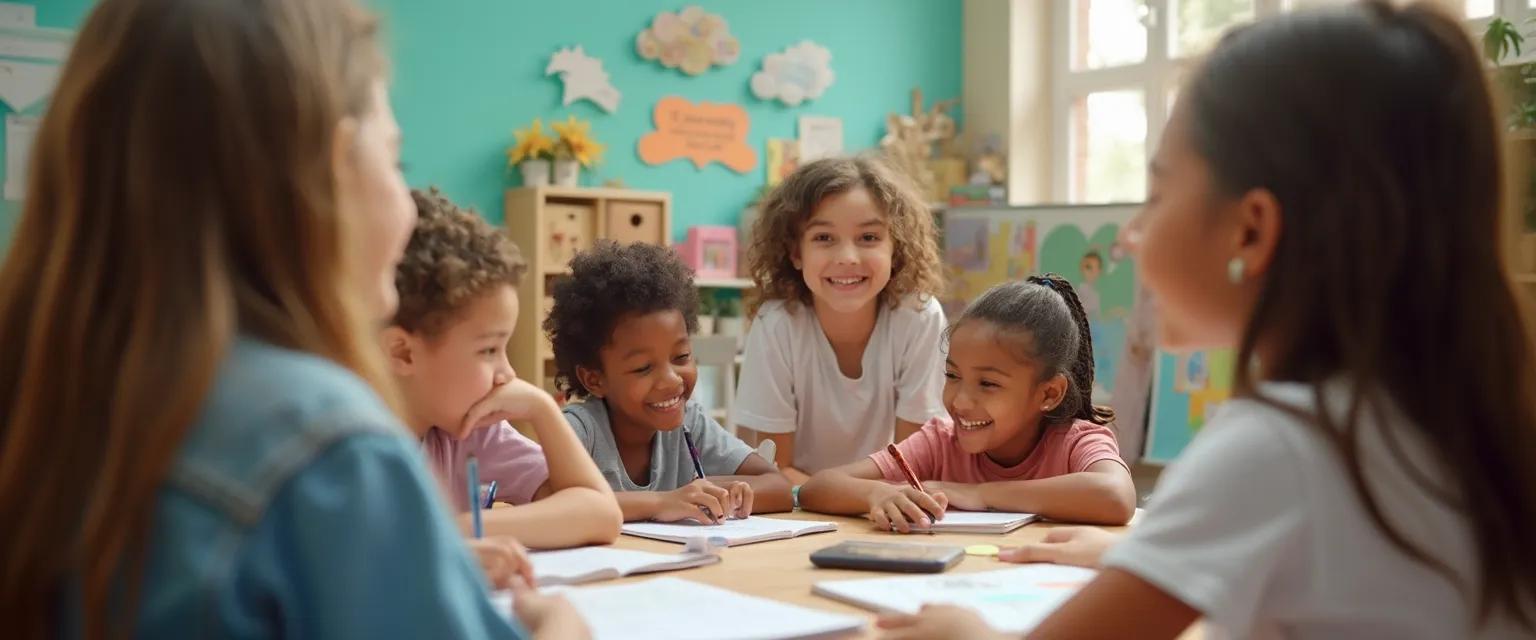
Group activities provide powerful opportunities for middle schoolers to develop social emotional learning self awareness through peer interaction. These collaborative exercises create a supportive environment where pre-teens can practice identifying emotions and personal strengths with guidance from both peers and adults.
Activity 1: "Emotion Charades" transforms emotional recognition into an engaging game. Students draw emotion cards (excitement, disappointment, pride) and act them out while peers guess. This activity builds emotional vocabulary while making the process of identifying feelings fun and interactive. The discussion afterward about how different people express the same emotion differently deepens social emotional learning self awareness.
Activity 2: "Strength Spotters" creates a culture of positive recognition. Students form circles where each person receives acknowledgment for a strength others have noticed. One student might hear, "I notice you're really good at including everyone" or "You explain math concepts clearly." This builds inner confidence while developing the ability to recognize positive qualities in themselves and others.
Activity 3: "Feelings Check-In Circle" uses creative prompts to encourage emotional expression. Rather than simply stating how they feel, students respond to prompts like "If your mood was a color today, what would it be?" or "If your feelings were weather, what's your forecast?" This approach makes social emotional learning self awareness more approachable and less intimidating for middle schoolers.
Building Emotional Vocabulary
These activities naturally expand students' emotional language beyond basic terms like "good" or "bad." When pre-teens develop nuanced ways to describe their feelings, they strengthen their social emotional learning self awareness foundation, making it easier to navigate complex emotional experiences both now and in the future.
Individual Social Emotional Learning Self Awareness Exercises
While group activities create valuable shared experiences, individual exercises allow for personal reflection crucial to developing social emotional learning self awareness. These activities can be integrated into daily routines at school or home, providing consistent opportunities for self-discovery.
Activity 4: "Emotional Weather Report" uses weather as metaphors for internal states. Students might describe themselves as "partly cloudy with a chance of sunshine later" or "stormy but clearing up." This technique makes abstract emotions more concrete, helping middle schoolers develop the self-awareness to track emotional patterns over time.
Activity 5: "Body Scan Moments" introduces brief physical awareness check-ins that enhance social emotional learning self awareness. Students pause to notice physical sensations associated with emotions—like tight shoulders during stress or a fluttery stomach with excitement. These quick scans create mindfulness techniques that build the mind-body connection essential for complete self-awareness.
Activity 6: "Strength Cards" uses visual prompts featuring different character strengths and abilities. Students select cards representing strengths they recognize in themselves and ones they'd like to develop. This tangible approach helps middle schoolers identify their unique attributes and growth areas, enhancing social emotional learning self awareness through concrete representation.
Activity 7: "Mood Meters" provides visual tools for tracking emotional states throughout the day. Using a quadrant chart with axes for energy level and pleasantness, students plot their emotional state at different times. This visual representation helps pre-teens notice patterns in their emotional lives, a key component of developing strong social emotional learning self awareness.
Implementing these playful activities consistently creates powerful opportunities for middle schoolers to develop social emotional learning self awareness in engaging ways. Rather than treating self-awareness as another academic subject, these approaches integrate emotional learning into enjoyable experiences that resonate with pre-teens. The result? Students who understand themselves better and develop emotional skills that will benefit them throughout their lives.



