


7 Powerful Evidence of Self-Awareness in Your Child's Daily Behaviors
Watching your child grow reveals fascinating evidence of self-awareness development—those magical moments when they recognize themselves as distinct individuals with thoughts, feelings, and abilities. These everyday behaviors provide valuable insights into your child's cognitive and emotional growth. Understanding the evidence of self-awareness in your child helps you nurture their emotional intelligence and support their journey toward healthy self-identity. Let's explore seven key behaviors that signal your child is developing this crucial life skill.
As parents, we often wonder if our children are developing appropriately. Looking for evidence of self-awareness gives you a window into your child's inner world and helps you support healthy confidence development. These seven behaviors happen naturally during everyday interactions—no special tests required! By recognizing these signs, you'll gain confidence in your child's development while discovering opportunities to strengthen their self-concept.
From mirror recognition to complex emotional expressions, these behaviors build upon each other as your child grows. The best evidence of self-awareness appears gradually, with each new skill adding depth to your child's understanding of themselves and others.
Early Evidence Of Self-Awareness: The First 3 Behaviors To Watch
The journey of self-awareness begins with fundamental behaviors that emerge during your child's early years. These initial signs provide clear evidence of self-awareness development and lay the groundwork for more complex understanding.
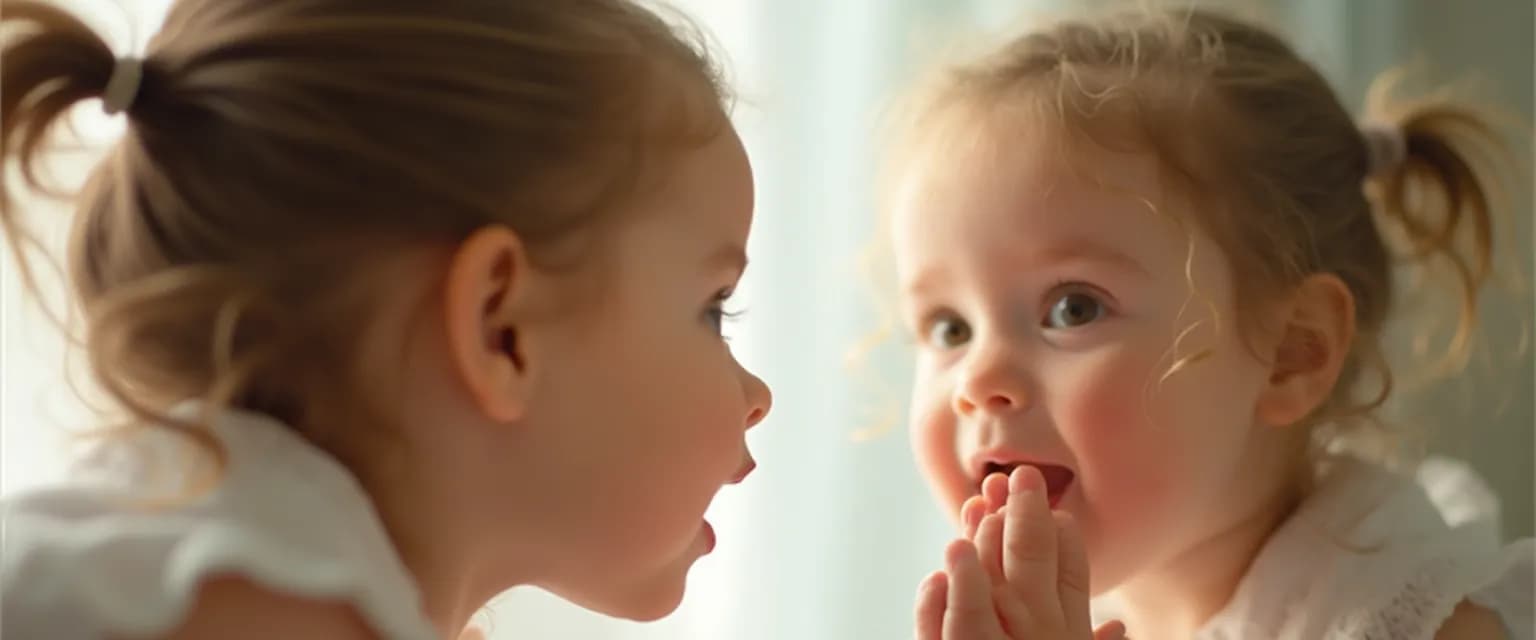
Mirror recognition stands as the most well-documented evidence of self-awareness in young children. Between 18-24 months, most children begin to understand that the reflection they see is actually them. Try this simple activity: place a small sticker on your child's forehead without them noticing, then position them in front of a mirror. If they reach for the sticker on their own face (not the mirror), they've demonstrated self-recognition—a significant milestone!
The second behavior to notice is your child's growing use of personal pronouns like "I," "me," and "mine." This linguistic shift represents powerful evidence of self-awareness as they begin to verbally distinguish themselves from others. When your two-year-old firmly declares "Mine!" they're not just being possessive—they're demonstrating their understanding of themselves as separate from you.
The third early indicator appears when children begin expressing clear preferences. Whether choosing which book to read or which shirt to wear, these decisions demonstrate evidence of self-awareness through self-validation and personal identity. Support this development by offering simple choices throughout the day: "Would you like the blue cup or the red cup?" These small decisions build confidence in their ability to know and express their own minds.
Advanced Evidence Of Self-Awareness In Your Child's Social Interactions
As children grow, their self-awareness extends beyond simple recognition into more complex social understanding. These advanced behaviors provide compelling evidence of self-awareness maturing into emotional intelligence.
Watch for moments of empathy—when your child notices someone else's feelings and responds appropriately. This connection between self-awareness and other-awareness emerges around age 3-4 and shows they understand both their own emotions and others'. When your child offers their teddy bear to a crying friend, they're demonstrating sophisticated evidence of self-awareness through emotional recognition.
Taking responsibility for actions represents another significant milestone. When your child admits to drawing on the wall or apologizes without prompting, they're showing evidence of self-awareness by connecting their actions with consequences. This development typically emerges around ages 4-5 and can be strengthened through consistent boundaries.
Also notice when your child begins adjusting their behavior based on different social contexts—using indoor voices at the library but outdoor voices at the playground. This adaptation shows they understand themselves as social beings who can modify their actions based on environment—sophisticated evidence of self-awareness that continues developing throughout childhood.
Finally, listen for complex emotional expressions about themselves, such as "I feel proud because I helped" or "I'm frustrated because this is hard." These statements demonstrate advanced evidence of self-awareness through emotional literacy and self-reflection.
Nurturing Your Child's Self-Awareness: Evidence-Based Approaches
Ready to support your child's growing self-awareness? These simple, evidence-based approaches integrate naturally into daily life while strengthening this essential skill.
Create a "feelings vocabulary" by naming emotions as they happen: "You seem frustrated with that puzzle" or "You look excited about the park!" This labeling helps children connect internal experiences with language, providing concrete evidence of self-awareness development.
Use descriptive praise that focuses on process rather than results: "You worked hard on building that tower" instead of just "Good job!" This approach helps children develop internal standards and recognition of their own efforts—key components of healthy self-awareness.
Remember that recognizing evidence of self-awareness in your child isn't about accelerating development but appreciating each milestone as it naturally unfolds. By understanding these seven behaviors, you're better equipped to support your child's journey toward strong self-identity and emotional intelligence—gifts that benefit them throughout life.



