


Body Self Awareness: What Physical Tension Reveals About Emotions
Ever notice how your shoulders creep up toward your ears during a tough work call? Or how your jaw locks tight when someone cuts you off in traffic? Your body is constantly broadcasting emotional information, often before your conscious mind catches up. That's body self awareness in action—your physical self revealing what's happening in your emotional landscape. Learning to decode these signals transforms how you understand and manage your feelings.
The connection between physical sensations and emotional states isn't mystical—it's neuroscience. When you develop body self awareness, you gain access to a powerful early warning system that helps you catch stress, anxiety, and frustration before they spiral. This mind-body connection reveals patterns you might otherwise miss, giving you the emotional intelligence data you need to respond rather than react.
Think of body self awareness as your personal emotional translator. That knot in your stomach? It's speaking a language worth learning. Those tight shoulders? They're telling you something important about your stress levels. By tuning into these physical cues, you're essentially reading your body's emotional scorecard—and that information is gold for anyone committed to growth.
How Body Self Awareness Decodes Your Emotional Patterns
Your brain and body operate as an integrated system, constantly exchanging information through neural pathways. When you experience emotions, your nervous system triggers physical responses in specific body areas. This explains why anxiety consistently shows up as a tight chest or queasy stomach, while anger often manifests as tension in your jaw and shoulders.
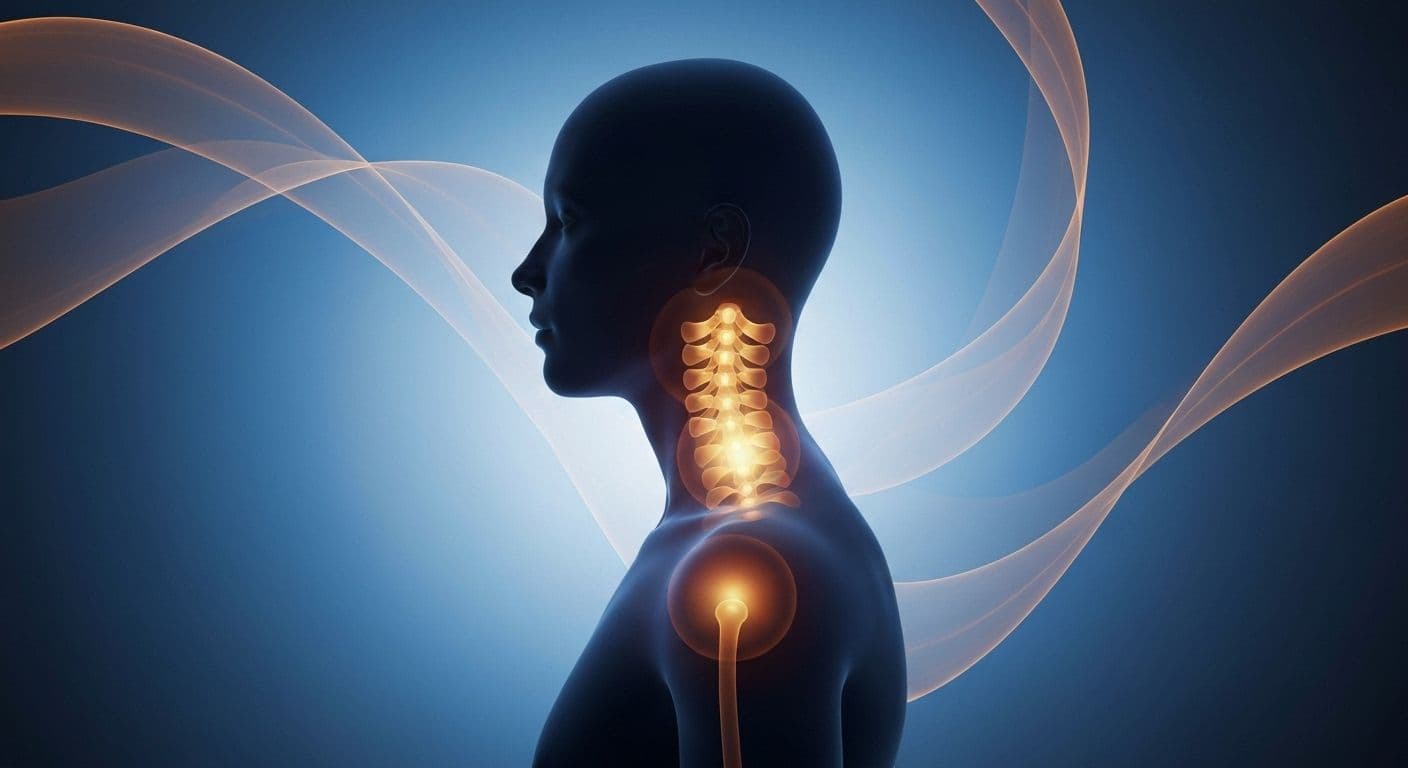
Research shows that emotions create predictable physical sensations. Stress activates your sympathetic nervous system, causing muscles to tense—particularly in your neck, shoulders, and back. Suppressed anger frequently appears as jaw clenching or teeth grinding. Anxiety generates that characteristic stomach-churning sensation because your gut contains millions of nerve cells directly connected to your brain.
Here's what makes body self awareness so powerful: physical symptoms typically appear before conscious emotional recognition. Your body keeps score of unprocessed feelings, accumulating tension in response to situations your conscious mind might dismiss or rationalize. That persistent shoulder tightness isn't random—it's your body cataloging stress from multiple sources.
By developing body self awareness, you create an early detection system for emotional overwhelm. Instead of reaching a breaking point, you notice the warning signs—the subtle tightening, the shallow breathing, the clenched fists. This awareness gives you a crucial window to address what's happening before it escalates. Similar to techniques for managing frustration, recognizing physical cues helps you intervene early.
Building Body Self Awareness Through Simple Check-Ins
The body scan technique offers a practical entry point for developing awareness. This isn't complicated—it's simply directing attention systematically through your body, noticing what you find without judgment. The best body self awareness practices are brief and consistent, not time-intensive marathons.
Ready to try a quick body self awareness exercise? Take two minutes right now. Start at the top of your head and slowly move your attention downward. Notice your forehead—is it scrunched? Move to your jaw—is it clenched? Check your shoulders, chest, stomach, and legs. Where do you feel tension? What sensations are present?
These tension hotspots are information hubs. Tight shoulders often signal you're carrying responsibility or stress. A clenched jaw suggests suppressed frustration or anger. A knotted stomach typically indicates anxiety or worry. Your personal patterns matter more than generalizations—body self awareness means learning your unique physical-emotional language.
Notice patterns between specific situations and physical responses. Does your neck tighten during certain meetings? Does your stomach clench when checking email? These connections reveal which circumstances trigger emotional reactions. Like understanding body language's impact, recognizing these patterns empowers you to respond proactively.
The beauty of body self awareness is that it improves with practice. Brief, regular check-ins—even just 30 seconds several times daily—train your attention to notice physical sensations more readily. You're essentially building a new skill: the ability to read your body's emotional messages in real-time.
Releasing Tension and Strengthening Your Body Self Awareness Practice
Identifying tension is step one. Releasing it is step two. Here are three actionable body self awareness techniques for letting go of physical tension once you've spotted it:
- Progressive muscle relaxation: Deliberately tense then release each muscle group, starting with your toes and moving upward. This teaches your body the difference between tension and relaxation.
- Breathwork: Take slow, deep breaths while directing your attention to tense areas. Imagine breathing into that tight shoulder or clenched jaw, allowing it to soften with each exhale.
- Movement: Gentle stretching, shoulder rolls, or even a quick walk interrupts the tension pattern and gives accumulated stress a physical outlet.
These body self awareness strategies work because they address the physical manifestation directly while simultaneously calming your nervous system. You're essentially completing the stress cycle your body initiated, allowing those unprocessed feelings to move through rather than lodge in your muscles.
Think of physical sensations as emotional intelligence data points. Each tension pattern reveals something about how you're processing (or not processing) your experiences. This information guides you toward more effective emotional regulation techniques and helps you understand your triggers more clearly.
Developing effective body self awareness is a journey, not a destination. Each check-in strengthens your ability to notice, interpret, and respond to what your body reveals about your emotional state. Ready to build this skill with science-backed tools and personalized guidance? Your body has been keeping score—now it's time to learn what it's been trying to tell you about creating a more balanced, emotionally intelligent life through enhanced body self awareness.



