


Cognitive Self Awareness: Override Your Brain's Autopilot Mode
Ever wonder why you snapped at your partner this morning, chose the same boring lunch again, or scrolled through social media for twenty minutes without realizing it? Your brain's autopilot mode is running the show. Research shows we operate on automatic pilot roughly 95% of the time, letting default mental patterns make decisions while our conscious mind checks out. This autopilot thinking might seem efficient, but it's actually sabotaging your daily choices and keeping you stuck in the same frustrating loops. The good news? Developing cognitive self awareness gives you the power to recognize when you're running on autopilot and make intentional choices instead. Ready to take back control of your decisions?
Think of cognitive self awareness as your brain's override switch. When you strengthen this skill, you create space between automatic reactions and conscious responses. Instead of letting your mental autopilot steer you toward the same old patterns, you become the driver of your own experience. And the science backs this up: neuroplasticity research shows that simply becoming aware of automatic patterns creates the foundation for lasting change.
The Science Behind Cognitive Self Awareness and Autopilot Thinking
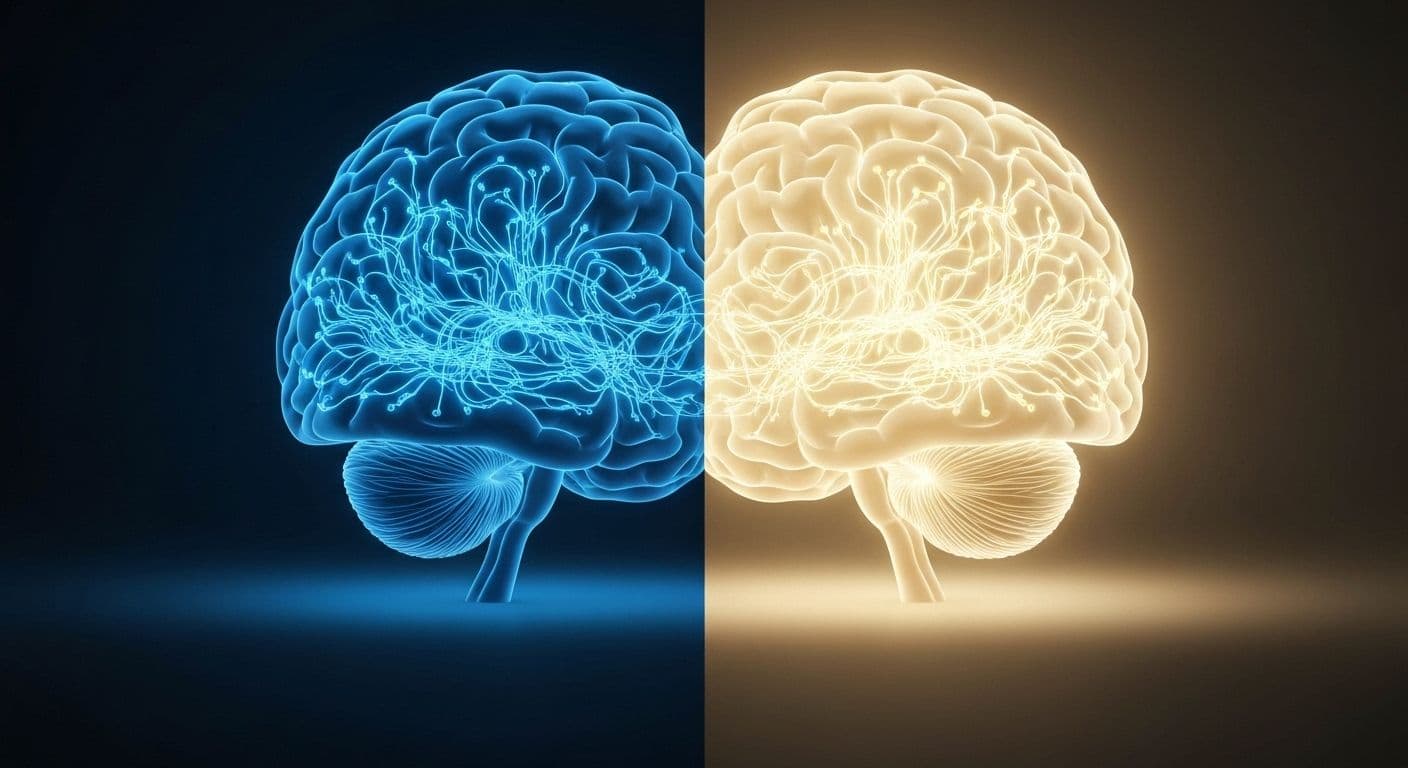
Your brain operates like a smartphone trying to conserve battery life. To save precious mental energy, it creates shortcuts called the default mode network that handles routine decisions automatically. This system works brilliantly for brushing your teeth or driving familiar routes, but it becomes problematic when autopilot takes over in situations that deserve conscious attention.
Psychologists call this System 1 versus System 2 thinking. System 1 is your fast, automatic brain that reacts instantly without much thought. System 2 is your slow, deliberate brain that analyzes situations carefully. Most of us live almost entirely in System 1, which explains why we keep making impulsive decisions we later regret or repeating the same mistakes despite knowing better.
Here's where cognitive self awareness becomes your secret weapon. When you lack awareness of these automatic thinking patterns, you're essentially a passenger in your own life. Your unconscious decision making drives you toward habitual responses, even when those responses don't serve you. That's why you automatically reach for your phone when you're bored, react defensively when criticized, or choose comfort over growth.
The exciting part? Neuroscience reveals that awareness itself changes your brain. The moment you notice an automatic pattern, you activate your prefrontal cortex and create the possibility for a different choice. This is cognitive self awareness in action, and it's the foundation for breaking free from emotional reactivity and making decisions that align with who you want to be.
Building Cognitive Self Awareness: Recognize Your Autopilot Triggers
Catching yourself in autopilot mode is like trying to remember you're dreaming while you're still in the dream. It takes practice, but these techniques make it dramatically easier to recognize when automatic thinking has taken the wheel.
Start with the "pause and notice" technique. Set three random alarms on your phone throughout the day. When they go off, stop whatever you're doing and ask yourself: "Am I making this choice consciously, or am I on autopilot?" This simple interruption creates awareness gaps that help you spot patterns.
Physical Awareness Signals
Your body knows when autopilot mode has kicked in before your conscious mind does. Learn to recognize these physical signals: tension in your shoulders, shallow breathing, or that glazed-over feeling in your eyes. When you notice these sensations, you've caught yourself running on automatic and can choose to engage System 2 thinking instead.
Environmental Triggers
Certain situations consistently activate autopilot responses. Maybe it's your morning commute, checking email, or conversations with specific people. Once you identify these recurring scenarios, you can use them as awareness triggers to snap into conscious presence.
The "choice point" framework helps you create space between stimulus and response. When you notice an automatic reaction starting, mentally say "choice point" to yourself. This tiny pause interrupts the autopilot pattern and gives your conscious mind a chance to weigh in on the decision.
Practical Strategies to Strengthen Cognitive Self Awareness Daily
Building cognitive self awareness doesn't require hours of meditation or complex exercises. These micro-practices fit seamlessly into your existing routine and deliver surprisingly powerful results.
Try micro-awareness check-ins at natural transition points throughout your day. Before you open your laptop, walk through a doorway, or start eating, pause for three seconds and ask yourself: "What's happening right now?" This trains your brain to recognize the difference between conscious and automatic thinking.
The "name it to tame it" technique helps you observe automatic thoughts without getting swept away by them. When you notice an autopilot pattern, simply label it: "There's my people-pleasing response" or "That's my avoidance habit kicking in." This creates psychological distance and strengthens your perspective-shifting abilities.
Practice the decision audit once daily. Choose one decision you made automatically and review it with curiosity, not judgment. What triggered the autopilot response? What would you have chosen if you'd been fully present? This reflection builds pattern recognition skills that make cognitive self awareness increasingly automatic itself.
For intentional anchoring, attach physical cues to awareness. Touch your thumb to your fingers, take three deep breaths, or notice five things you can see. These simple actions interrupt autopilot thinking and bring you back to conscious decision making.
Ready to strengthen your cognitive self awareness with personalized tools and science-backed techniques? The journey from automatic pilot to intentional living starts with small, consistent practices that rewire your brain over time.



