


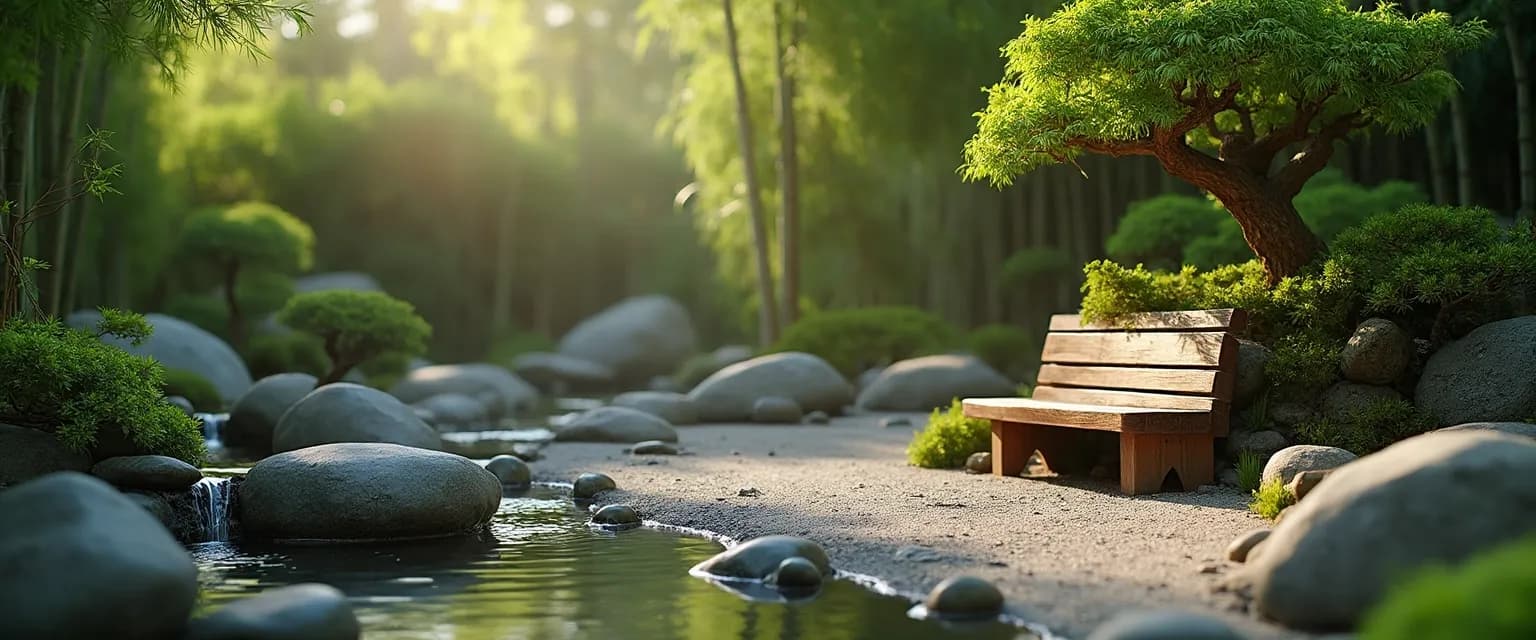
Creating a Peace Garden for Mind: Transform Your Outdoor Space into a Sanctuary
Looking to find peace and mind in today's hectic world? Your outdoor space might hold the key. Creating a peace garden transforms an ordinary yard into a sanctuary where your mind can rest, reset, and rejuvenate. This isn't just about pretty plants—it's about designing an intentional environment that actively supports your mental wellbeing through thoughtful elements that engage all your senses.
The connection between nature and mental health is well-documented. Just 20 minutes in a natural setting significantly reduces stress hormones in your body. A peace garden takes this healing power and amplifies it through deliberate design choices that promote tranquility. When you step into a space specifically created for peace and mind, something remarkable happens—your breathing slows, your shoulders relax, and your thoughts begin to quiet.
The science is clear: outdoor sanctuaries provide measurable benefits for anxiety management. The combination of fresh air, natural light, and living elements creates the perfect environment for your brain to shift from stress mode to rest mode. Ready to create your own peace and mind oasis? Let's explore how.
Designing Your Peace And Mind Garden: Essential Elements
The most effective peace gardens incorporate elements that engage multiple senses. Start with plants known for their calming properties. Lavender releases oils that physiologically reduce anxiety, while chamomile's gentle scent promotes relaxation. Tall grasses create soothing sounds as breezes pass through them, adding another layer of peace and mind support.
Pathways play a crucial role in your garden's effectiveness. Curved rather than straight paths slow walking pace and encourage mindfulness. Consider materials that provide gentle sensory feedback—smooth stones, soft mulch, or moss-covered stepping stones all create different experiences that ground you in the present moment.
Water features deserve special attention in your peace and mind garden design. The sound of moving water masks background noise and provides a focal point for meditation. Even simple options like a small solar fountain can transform your space's atmosphere.
Create at least one dedicated seating area where you can fully absorb your garden's benefits. Position seating to capture your favorite view or to face a mindfulness technique focal point like a Buddha statue or wind chime. Consider comfortable cushions in blues and greens—colors proven to enhance feelings of tranquility.
The most successful peace gardens incorporate vertical elements too. Trellises with climbing plants create natural walls that enhance feelings of security, while hanging elements like wind chimes or mobiles draw your gaze upward, expanding your perspective when thoughts feel constricted.
Maintaining Your Peace And Mind Sanctuary Through the Seasons
A truly effective peace garden provides year-round support for your mental wellbeing. Plan for seasonal transitions by including plants with different blooming periods. Spring bulbs give way to summer perennials, followed by fall color and winter structure. This ensures your peace and mind sanctuary remains vibrant regardless of the calendar.
Consider how your garden's maintenance requirements align with your lifestyle. Low-maintenance options like native plants and perennials reduce the stress of upkeep while providing consistent benefits. Remember, your peace garden should give more energy than it takes.
Simple Daily Practices for Garden Connection
The full potential of your peace and mind garden emerges through regular engagement. Morning coffee among the plants, an evening stroll along your pathways, or five minutes of deep breathing beside your water feature—these simple rituals compound over time to build remarkable stress reduction benefits.
Weather doesn't need to limit your connection. During inclement seasons, position indoor seating to maintain visual contact with your peace garden. The psychological benefits persist even when viewed through a window.
As seasons change, so can your interaction with the space. Summer might mean morning meditation sessions, while fall invites contemplative leaf-gathering walks. Winter offers unique opportunities to appreciate structural elements and practice acceptance of natural cycles.
The true magic of a peace and mind garden lies in its evolution alongside you. As plants mature and the space develops its own character, your connection deepens. This living sanctuary becomes not just a place for peace and mind practices, but a trusted companion on your journey toward greater mental wellbeing—a personalized outdoor therapy session waiting just outside your door.



