


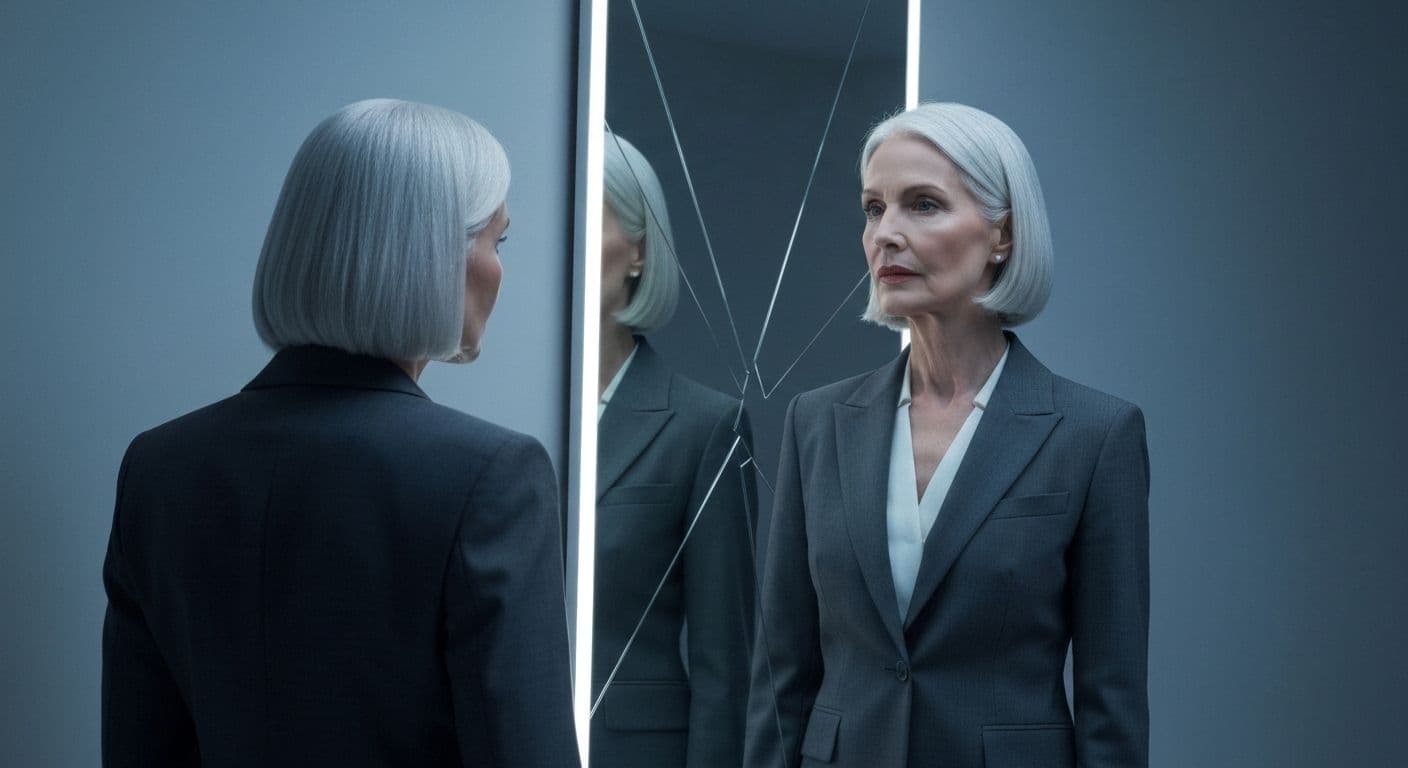
EQ and Self Awareness: Hidden Costs of Your Emotional Blind Spots
Picture this: You're in a meeting, and your colleague suggests a different approach to the project. Instantly, your chest tightens, your jaw clenches, and before you know it, you've dismissed their idea with more force than necessary. Later, someone mentions you seemed "a bit intense," and you're genuinely confused. Sound familiar? Welcome to the world of emotional blind spots—those gaps in eq and self awareness that silently sabotage your success in ways you never see coming.
These blind spots aren't just minor inconveniences. They're costing you real opportunities, genuine connections, and peace of mind. The tricky part? By definition, you can't see them. They're the emotional patterns you've normalized, the reactions you've justified, and the behaviors everyone else notices except you. Think of emotional blind spots as the spinach in your teeth of emotional intelligence—obvious to everyone but yourself.
Here's what makes this so important: research shows that 90% of top performers have high emotional intelligence, yet most people overestimate their own eq and self awareness by a significant margin. That gap between perception and reality? That's where the hidden costs pile up. Ready to discover what these blind spots might be costing you in your relationships, career, and overall wellbeing?
The Relationship Price Tag: How EQ and Self Awareness Gaps Affect Your Connections
Your relationships bear the brunt of emotional blind spots in ways that compound over time. When you lack self awareness about your emotional patterns, you end up repeating the same conflicts without understanding why. Maybe you always feel attacked when your partner offers suggestions, or perhaps you withdraw whenever conversations get emotionally charged. These patterns feel justified in the moment, but they're actually emotional reactions you haven't learned to recognize.
Consider Sarah, who couldn't understand why her friendships kept fading. She saw herself as direct and honest, but her friends experienced her as critical and dismissive. The blind spot? Sarah didn't realize that her "honesty" came out harshest when she felt insecure. Without that eq and self awareness, she kept losing people she cared about, wondering why everyone was "so sensitive."
The Defensive Reaction Cycle
The most expensive blind spot in relationships is defensiveness. When someone offers feedback, your immediate reaction reveals your level of emotional intelligence. If you find yourself explaining, justifying, or counter-attacking whenever someone points out how your behavior affected them, that's a massive gap in eq and self awareness. This cycle pushes people away slowly but surely, eroding trust with each defensive response.
The people closest to you become exhausted trying to navigate your emotional triggers while you remain convinced the problem lies elsewhere. That's the real cost—not dramatic blowups, but the gradual distancing that happens when others learn they can't be honest with you without facing your defensiveness.
Career Consequences: What Low EQ and Self Awareness Cost You Professionally
Your professional blind spots write checks your career has to cash. Studies consistently show that emotional intelligence predicts leadership success better than IQ, yet most people remain oblivious to how their emotional patterns affect their professional reputation. That promotion you didn't get? It might have less to do with your technical skills and more to do with how you handle stress and pressure in team settings.
Consider the manager who sees himself as passionate and driven but whose team experiences him as volatile and unpredictable. He wonders why talented people keep leaving his department, never connecting his emotional outbursts to the exodus. Or the talented professional who can't figure out why she's repeatedly passed over for leadership roles, not realizing her inability to read the room and adapt her communication style sends signals that she lacks the emotional intelligence necessary for senior positions.
Leadership Blind Spots
Leadership amplifies every emotional blind spot you have. When you lack eq and self awareness as a leader, your team spends enormous energy managing your emotions instead of focusing on their work. They learn to withhold bad news, avoid honest feedback, and work around your patterns. You might think you're creating a high-performance culture, while your team is actually in survival mode.
The professional cost extends beyond missed promotions. Poor emotional intelligence damages your reputation in ways that follow you. People talk, and your emotional patterns become part of your professional brand whether you realize it or not.
Building Better EQ and Self Awareness: Your Path Forward
The cumulative cost of emotional blind spots—strained relationships, limited career growth, and constant internal friction—adds up to a life that feels harder than it needs to be. But here's the empowering truth: improving eq and self awareness isn't about fixing what's broken; it's about developing skills you haven't learned yet.
Start by noticing patterns in your emotional reactions. When do you get defensive? What situations trigger that tightness in your chest? The goal isn't to judge these reactions but simply to see them clearly. This awareness creates a tiny gap between stimulus and response—and in that gap, you gain choice.
Next, treat feedback from others as valuable data rather than personal attacks. When someone says your behavior affected them, resist the urge to explain why they're wrong. Instead, get curious. Their perception is their reality, and understanding that reality improves your eq and self awareness dramatically.
Remember, building emotional intelligence is an ongoing practice, not a destination. Each moment of awareness, each time you catch yourself in an old pattern, you're literally rewiring your brain. The blind spots that have been costing you don't have to keep extracting that price. Ready to start seeing what you've been missing?



