


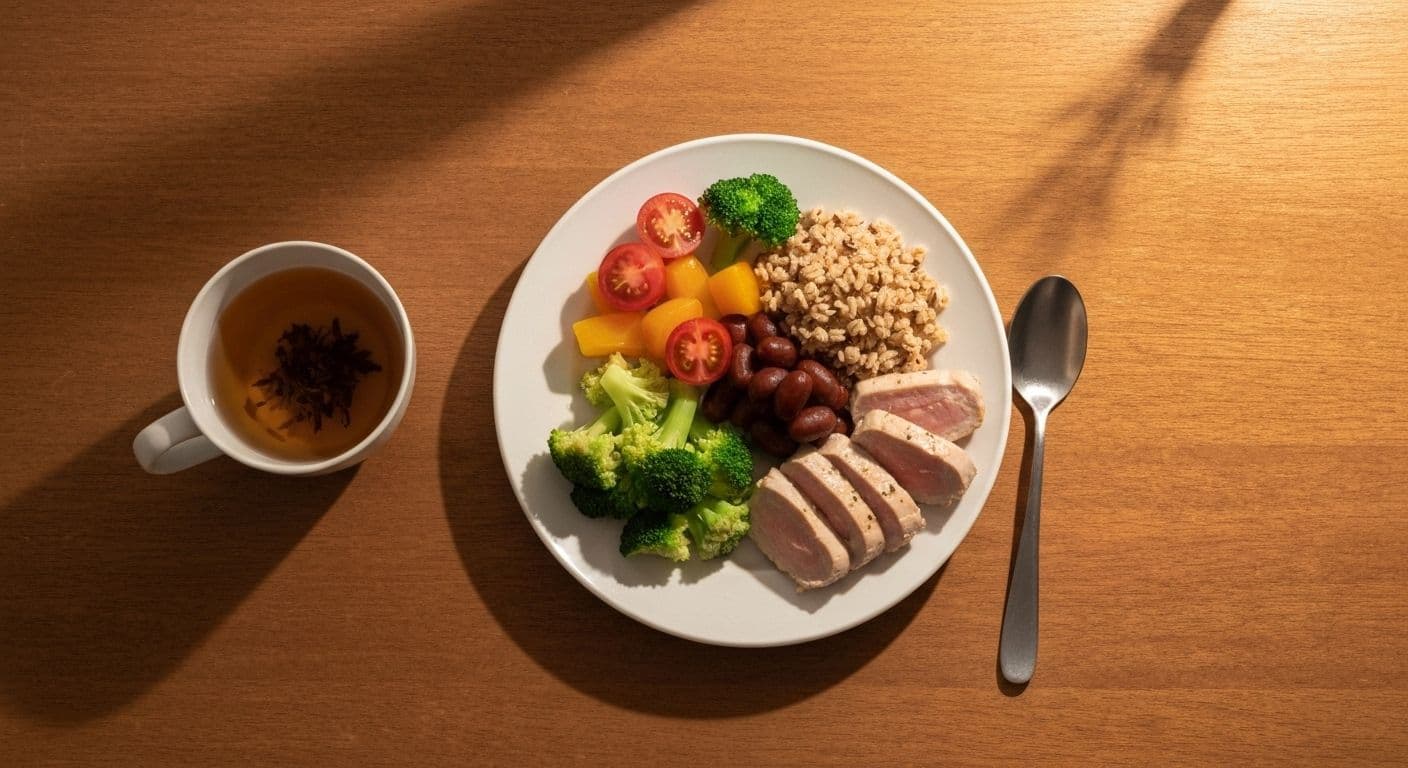
Evening Meals That Calm the Mind: Your Dinner-to-Clarity Blueprint
Ever wake up after a full night's sleep feeling oddly anxious, irritable, or mentally foggy? Your dinner last night might be the culprit. While most people focus on morning routines to calm the mind, the real secret to next-day mental clarity begins hours earlier—at your evening meal. The science is surprisingly clear: what you eat for dinner, when you eat it, and how you combine your foods directly influences your brain's ability to produce calming neurotransmitters while you sleep.
Your body doesn't stop working when you fall asleep. Throughout the night, it's busy stabilizing blood sugar, producing serotonin and GABA (your brain's natural calm-inducing chemicals), and preparing you for the next day's emotional challenges. Poor dinner choices disrupt this delicate overnight process, leaving you waking up on edge before the day even begins. Understanding how to calm the mind through strategic evening eating gives you a powerful tool for emotional balance that works while you're literally doing nothing.
This isn't about restrictive dieting or complicated meal prep. It's about making smarter swaps and timing adjustments that support your brain's natural ability to maintain mental calm. Ready to discover how your plate determines your peace?
How Evening Meals Calm the Mind Through Blood Sugar Balance
Think of blood sugar like a rollercoaster. When you eat a dinner high in refined carbs and sugars without adequate protein or fiber, your glucose levels spike dramatically. Your body responds by releasing insulin to bring those levels down—but often too aggressively. The result? A blood sugar crash in the middle of the night that triggers cortisol (your stress hormone) to compensate.
This cortisol spike doesn't just disrupt sleep quality. It primes your nervous system for anxiety and reactivity the next morning. You wake up feeling wired but tired, irritable without clear reason, and struggling to calm the mind even before your first challenge arrives. The connection between dinner and mental calm becomes crystal clear when you understand this overnight glucose-cortisol dance.
Stable blood sugar during sleep supports steady production of serotonin and GABA, neurotransmitters essential for mental calm and emotional resilience. Your brain needs consistent glucose availability—not spikes and crashes—to manufacture these calming chemicals effectively. This is where strategic food combinations become your secret weapon, much like stress reduction techniques that work with your body's natural rhythms.
Protein and Complex Carbohydrate Pairings
The best calm the mind dinner formula combines lean protein with complex carbohydrates and healthy fats. Try grilled chicken with quinoa and roasted vegetables, or salmon with sweet potato and leafy greens. These combinations slow glucose absorption, preventing the spike-crash cycle that sabotages next-day mental clarity. The protein provides amino acids for neurotransmitter production, while complex carbs offer sustained energy throughout the night.
Timing Your Last Meal for Optimal Neurotransmitter Production
When you eat matters almost as much as what you eat. Finishing dinner at least three hours before bed gives your body time to process the meal without competing demands. This timing ensures blood sugar stabilizes before sleep, maximizing your brain's overnight neurotransmitter production—your natural calm the mind factory working while you rest.
Strategic Food Choices That Calm the Mind Before Bed
Certain nutrients actively support your nervous system's ability to maintain mental calm overnight. Magnesium-rich foods like spinach, pumpkin seeds, and dark chocolate (yes, really!) help regulate stress responses and promote relaxation. This mineral acts like a natural tranquilizer for your nervous system, similar to how anxiety visualization techniques guide your mind toward peace.
Tryptophan-containing foods deserve special attention for evening meals. This amino acid is the precursor to both serotonin and melatonin, making it doubly valuable for mental calm and sleep quality. Turkey, eggs, cheese, and nuts provide excellent tryptophan sources. Pair them with complex carbs to enhance absorption—your brain uses these building blocks to manufacture tomorrow's emotional stability tonight.
Equally important is knowing what to avoid. Skip spicy foods, heavy fats, and caffeine in evening meals—they disrupt sleep architecture and interfere with the calm the mind processes your brain needs to complete overnight. Alcohol might seem relaxing initially but fragments sleep and blocks REM cycles where crucial emotional processing occurs.
The Three-Hour Window Rule
Implementing effective calm the mind strategies through diet means respecting your body's digestive timeline. Eating too close to bedtime forces your body to choose between digestion and restoration—and digestion always wins, compromising the neural maintenance that supports next-day mental clarity.
Portion Sizes That Support Restful Sleep
Large evening meals, even healthy ones, strain your digestive system and elevate core body temperature—both enemies of restorative sleep. Moderate portions (about the size of your palm for protein, fist-size for carbs) provide adequate nutrition without overwhelming your system, much like how mindfulness techniques work best with consistency rather than intensity.
Your Evening Eating Plan to Calm the Mind Tomorrow
The dinner-to-clarity connection offers a practical, science-backed framework for improving emotional balance without adding complexity to your life. Start this week with three simple dinner experiments: pair protein with complex carbs, finish eating three hours before bed, and include magnesium-rich vegetables. Notice how your morning mental state shifts.
Try these balanced meal examples: Greek yogurt bowl with berries and almonds, lentil soup with whole grain bread, or stir-fried tofu with brown rice and broccoli. Each combination supports stable blood sugar and neurotransmitter production—your overnight allies for mental calm.
The beauty of this approach is its simplicity. You're not adding tasks to your day; you're optimizing choices you're already making. Small adjustments to timing and food combinations create compound benefits for emotional wellness. Your evening plate becomes a powerful tool to calm the mind before tomorrow even arrives, giving you the mental clarity and emotional resilience to handle whatever comes your way.



