


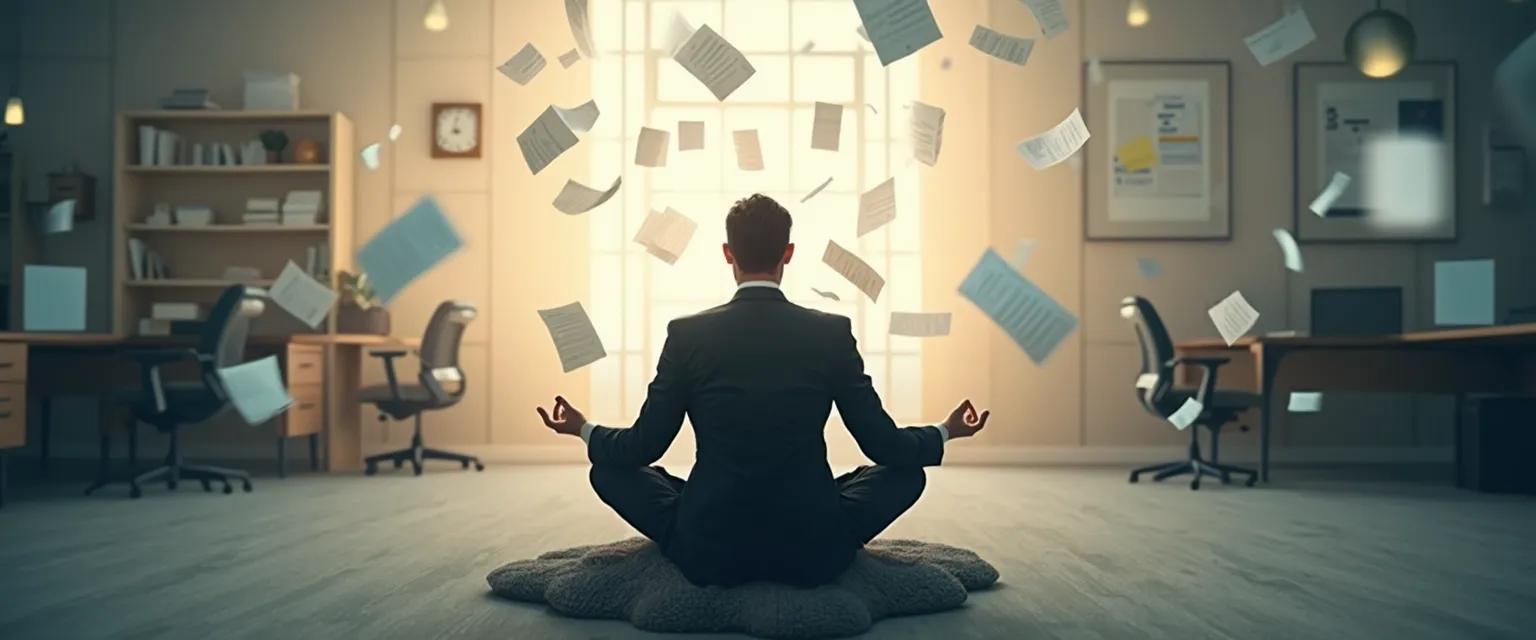
Finding Peace in Chaos: 7 Unusual Rituals When I Need Peace of Mind
Ever felt like your mind is a browser with 37 tabs open simultaneously? If you're nodding yes, you're not alone. In today's hyper-connected world, busy professionals constantly battle mental overload, leaving many thinking, "I need peace of mind" more frequently than ever. The standard advice—meditate for 30 minutes, take a vacation, unplug completely—often feels laughably impractical when you're racing between meetings and deadlines.
The good news? Finding mental calm doesn't require retreating to a mountain monastery. The most effective peace-creating rituals are often unconventional micro-moments that integrate seamlessly into your existing routine. These small but mighty practices create neurological shifts that help quiet the mental chaos when you're thinking "I need peace of mind" during your busiest moments.
Let's explore how these unusual "peace pockets" work: they leverage your brain's innate ability to reset quickly when given the right sensory input. Even a 30-second ritual can activate your parasympathetic nervous system, creating a mental resilience response that carries you through high-pressure situations with remarkable clarity.
7 Unconventional Rituals When I Need Peace of Mind
Sound and Sensory Techniques
When you think "I need peace of mind," your ears might be your most underutilized resource. Sound bathing—immersing yourself in specific sound frequencies—can rapidly alter your mental state. Try keeping a small singing bowl or tuning fork at your desk for a 20-second reset between tasks. The specific vibrations help reorganize scattered brain activity almost immediately.
Sensory anchoring creates a physical shortcut to calm. Select a specific texture (like a smooth stone or textured worry bead) that you touch only when practicing mental calm. Over time, your brain creates a neurological association, making it easier to access peace of mind on demand. This anxiety management technique works because your brain creates powerful associations between physical sensations and emotional states.
Movement and Breathing Rituals
Micro-meditation breaks the myth that meditation requires extensive time. Try this: set a 30-second timer, close your eyes, and take three breaths while focusing exclusively on the sensation of air entering and leaving your nostrils. This brief reset is surprisingly effective when you need peace of mind between demanding tasks.
Pattern interruption physically breaks thought spirals. When you notice your mind racing, perform an unusual physical movement—touch your right ear with your left hand while standing on one foot. This interrupts your brain's established anxiety patterns and creates space for calm. It sounds quirky, but it's based on solid neurological principles.
Breath cocktails combine different breathing patterns for customized calm. Try inhaling for 4 counts, holding for 2, exhaling for 6, then immediately inhaling for 2, holding for 4, exhaling for 4. This varied pattern prevents your mind from wandering and delivers a quick oxygen boost when you need peace of mind most urgently.
Visual and Taste Practices
Color immersion uses your visual system to quiet mental noise. Keep a digital image of a single, vibrant color on your phone. When overwhelmed, spend 20 seconds absorbing nothing but that color. This mindfulness technique works by reducing the visual processing load on your brain, creating mental space.
Taste grounding leverages your brain's immediate response to flavor. Keep a small tin of intensely flavored mints or drops at your desk. When you need peace of mind, let one dissolve fully on your tongue while focusing entirely on the sensation. The flavor focus pulls your mind into the present moment, quieting the chaos of past and future concerns.
Creating Your Personal Peace Toolkit When I Need Peace of Mind
The most effective peace toolkit is personalized to your specific triggers and preferences. Start by noticing which sensory inputs naturally calm you—is it sounds, physical sensations, tastes, or visual elements? Your natural preferences provide clues to which rituals will work best when you need peace of mind.
Next, map these rituals to specific stressors in your day. Meeting anxiety might respond best to breath cocktails, while decision fatigue might need pattern interruption. The key is matching the right technique to each specific "I need peace of mind" moment.
These micro-rituals work because they're neurologically sound and practically implementable. Unlike traditional calm-seeking methods that require significant time investments, these techniques deliver peace in bite-sized moments that fit realistically into a demanding professional schedule.
Remember that consistency matters more than duration. A 30-second ritual practiced regularly rewires your brain more effectively than an hour-long practice done occasionally. When the thought "I need peace of mind" arises, having these unusual but effective techniques at your fingertips ensures you can find calm without disrupting your productivity or stepping away from your responsibilities.



