


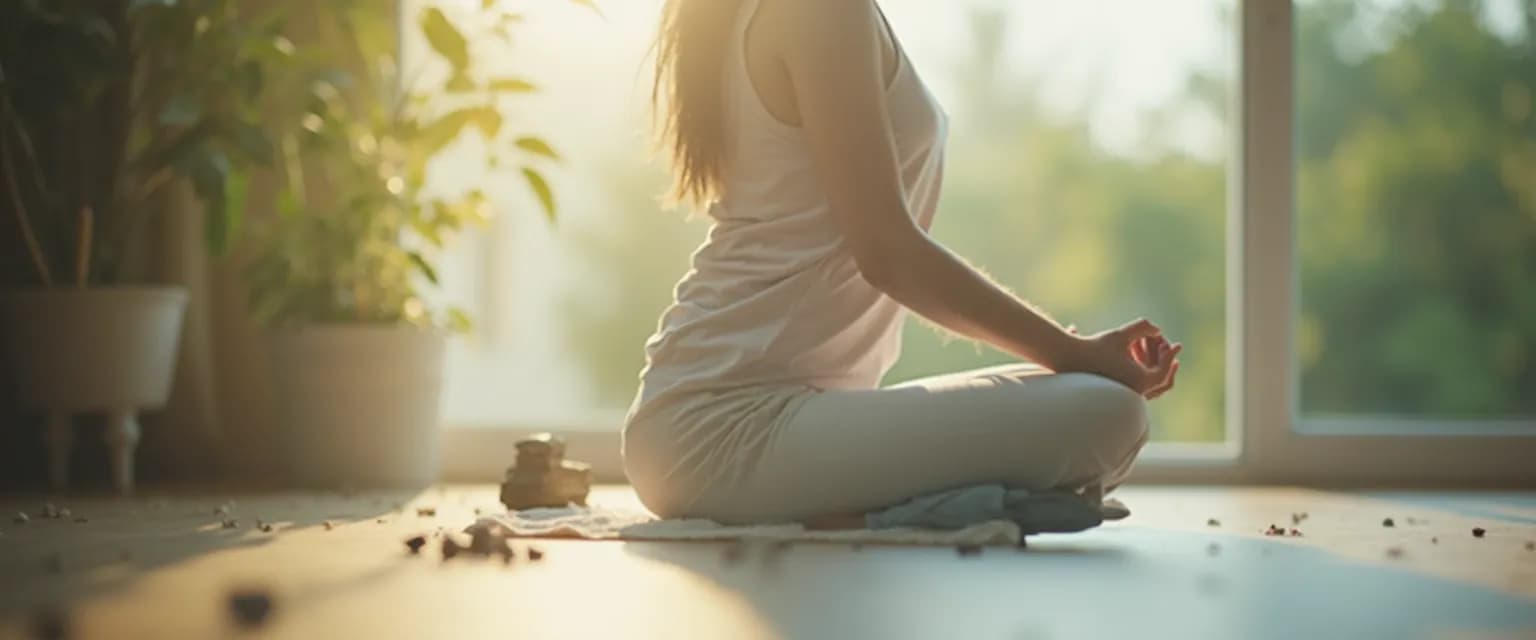
Guided Mindfulness Meditation for Fidgeters: Moving Beyond Stillness
Fidgety fingers, bouncing legs, wandering minds—sound familiar? If you've ever thought guided mindfulness meditation wasn't for you because you can't sit still for more than 30 seconds, I've got news: stillness is overrated. As a fidgeter myself, I've discovered that mindfulness doesn't require statue-like immobility—it thrives on embracing your natural tendencies, including restlessness. Guided mindfulness meditation can actually be enhanced by incorporating movement rather than fighting against your body's natural rhythms.
The misconception that meditation requires perfect stillness has prevented countless restless souls from experiencing the benefits of mindfulness. Whether you have ADHD or are simply a natural fidgeter, your movement isn't a barrier—it's a potential gateway to deeper awareness. Traditional approaches often fail because they don't account for different neurological wiring and physical needs. Instead, understanding your body signals and incorporating them into practice creates a more sustainable approach to guided mindfulness meditation.
By adapting guided mindfulness meditation to work with your natural tendencies rather than against them, you'll discover practices that feel supportive rather than restrictive. Let's explore how movement and sensory experiences can transform meditation from torture to pleasure—even for the most restless among us.
Movement-Based Guided Mindfulness Meditation Techniques
Walking meditation offers a perfect entry point for fidgeters seeking guided mindfulness meditation benefits. Unlike seated practices, walking meditation harnesses physical energy while cultivating awareness. The key is intentionality—transforming an everyday activity into a mindful practice by focusing on the sensations of each step: the pressure on your feet, the shifting of weight, and the rhythm of movement.
Walking Meditation Guidance
For effective walking meditation, choose a short path (even 10-15 feet works) and walk back and forth slowly. With each step, notice the lifting, moving, and placing of your foot. When your mind wanders—which it will—gently return attention to the physical sensations of walking. This guided mindfulness meditation approach uses movement as the anchor instead of fighting against it.
Research confirms that movement-based practices can be particularly effective for people with attention challenges. A study in the Journal of Attention Disorders found that incorporating physical movement into mindfulness practices significantly improved attention for participants with ADHD compared to traditional still meditation.
Mindful Fidgeting Objects
Fidget objects can transform from distractions into powerful tools for guided mindfulness meditation. Items like smooth stones, therapy putty, or textured balls provide sensory feedback that can anchor attention during practice. The key is using them intentionally—feeling the texture, temperature, and weight while maintaining awareness of these sensations.
Even during seated meditation, micro-movements can be incorporated mindfully. Gentle rocking, subtle stretching, or mindful posture adjustments allow you to honor your body's needs while maintaining meditative awareness. The goal isn't to eliminate movement but to bring consciousness to it.
Sensory Anchors in Guided Mindfulness Meditation for Restless Minds
For those who struggle with traditional breath-focused practices, alternative sensory anchors can revolutionize guided mindfulness meditation. Sound-based meditation—focusing on environmental noises or guided audio—provides a more accessible entry point for restless minds. The changing nature of sounds mirrors the natural flow of attention, making it easier to maintain focus.
Multiple sensory inputs can also support fidgety meditators. Rather than forcing concentration on a single point, allow your attention to move between different sensations—the sounds around you, the feeling of air on your skin, the weight of your body against the chair. This approach works with your natural attention shifts rather than fighting them.
Short-duration practices are particularly effective for building a sustainable guided mindfulness meditation habit. Start with just 3-5 minutes and gradually extend as your capacity grows. Brief mindfulness sessions are often more manageable and can be integrated throughout your day—while waiting for coffee, during a short walk, or even during moments of transition between tasks.
Consistency trumps duration when developing a practice. Five minutes daily builds more momentum than an hour once a week. Schedule your guided mindfulness meditation during naturally occurring transition times or pair it with existing habits to increase follow-through.
Remember that guided mindfulness meditation isn't about achieving a particular state—it's about bringing awareness to your present experience, whatever that includes. If restlessness is present, that becomes part of your practice. By embracing rather than resisting your natural tendencies, you'll discover a sustainable approach to guided mindfulness meditation that works with your unique nervous system rather than against it.



