


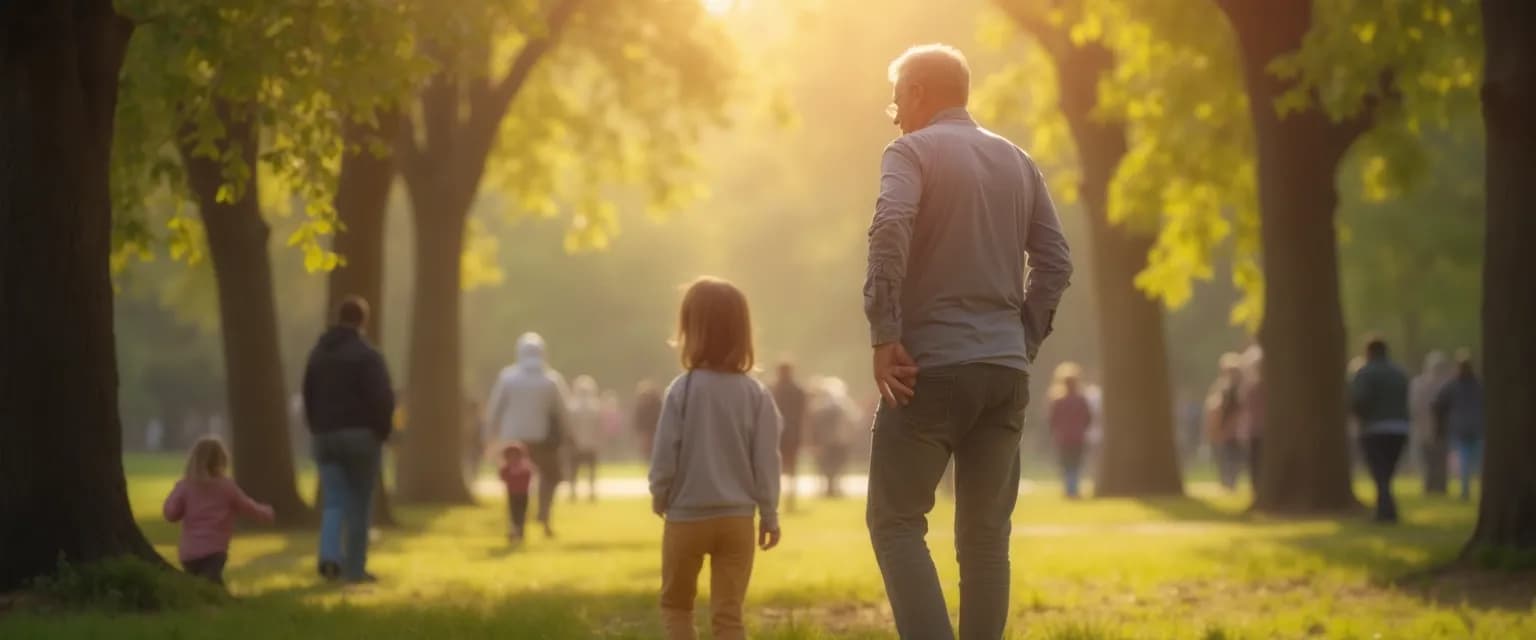
How to Develop Situational Awareness for Safer Family Outings
Ever felt that prickle on the back of your neck in a crowded mall, sensing something's not quite right? That's your brain's built-in radar—and learning to develop situational awareness as a parent might be the most valuable skill you never knew you needed. When you're juggling diaper bags, snacks, and curious toddlers, staying alert to your surroundings can feel like an impossible task. Yet this skill creates a critical safety buffer without turning you into a helicopter parent constantly hovering in panic mode.
Research shows our brains are naturally wired to detect potential threats, but modern distractions often override these instincts. The good news? You can sharpen this innate ability through practice and sensory management techniques that help filter the important signals from the noise. Developing situational awareness isn't about constant vigilance that steals joy from family outings—it's about creating a balanced approach where safety and fun coexist.
For parents, the ability to develop situational awareness becomes even more crucial, as you're responsible not just for yourself but for little ones who haven't yet developed their own risk assessment skills. The right approach transforms anxiety into empowerment.
Essential Skills to Develop Situational Awareness in Public Spaces
The foundation of effective situational awareness lies in understanding what security experts call the "baseline and anomaly" approach. This method helps you develop situational awareness by first establishing what's normal in any environment, then identifying what stands out. When you enter a playground, restaurant, or shopping center with your family, take 30 seconds to observe the general atmosphere—the typical behaviors, sound levels, and movement patterns.
One practical technique to develop situational awareness is the "color code" system. In this mental framework, you move through different states of awareness:
- White: Relaxed and unaware (avoid this in public)
- Yellow: Relaxed alertness (your default in public spaces)
- Orange: Focused alertness when something seems off
- Red: Ready to take action if needed
Creating mental maps is another powerful strategy. When you enter a new space, quickly identify exits, safe zones where you could shelter with children, and potential decision points if you needed to move quickly. This doesn't require obvious scanning—simply make it a habit while settling in.
Perhaps the biggest challenge to develop situational awareness today is smartphone distraction. Challenge yourself to check phones only when children are secured (in a high chair, stroller, or play area) and limit checks to 30 seconds. Position yourself where you can see both your children and the broader environment, creating what security experts call a "dominant position."
Teaching Children to Develop Situational Awareness Appropriately
Children can begin developing their own awareness skills through playful activities that build observation without creating anxiety. The "I Spy" game becomes more than entertainment when you guide children to notice specific details about their surroundings. "What color is the exit sign?" or "How many workers are behind the counter?" turns ordinary questions into awareness-building exercises.
Creating family safety protocols empowers children rather than frightening them. Simple instructions like "If we get separated, go to the nearest cash register and tell them your name" provide clear action steps that build confidence. The key is presenting these as matter-of-fact skills, similar to looking both ways before crossing the street.
As children grow, involve them in your awareness practice by asking open-ended questions: "What do you notice about this place?" or "Where would you go if you needed help?" This collaborative approach to develop situational awareness creates a family culture where everyone participates in managing social energy and safety.
Practice scenarios through gentle "what if" conversations during calm moments, not in the midst of outings. This builds neural pathways that make appropriate responses more automatic when needed.
Putting Your Situational Awareness Skills into Action
The real value of efforts to develop situational awareness emerges in those moments when you notice something before it becomes a problem. Perhaps you spot the spilled liquid before your toddler slips, or you redirect your family away from escalating tension between other shoppers. These small wins demonstrate the power of awareness without creating dramatic "close call" stories.
Creating a family culture that values awareness becomes self-reinforcing over time. Children grow up naturally scanning environments, making better risk assessments, and developing confidence in their ability to navigate the world safely. The skills you build to develop situational awareness transfer to all areas of life—from work environments to social situations—creating a foundation of competence and calm confidence that serves the entire family for years to come.



