


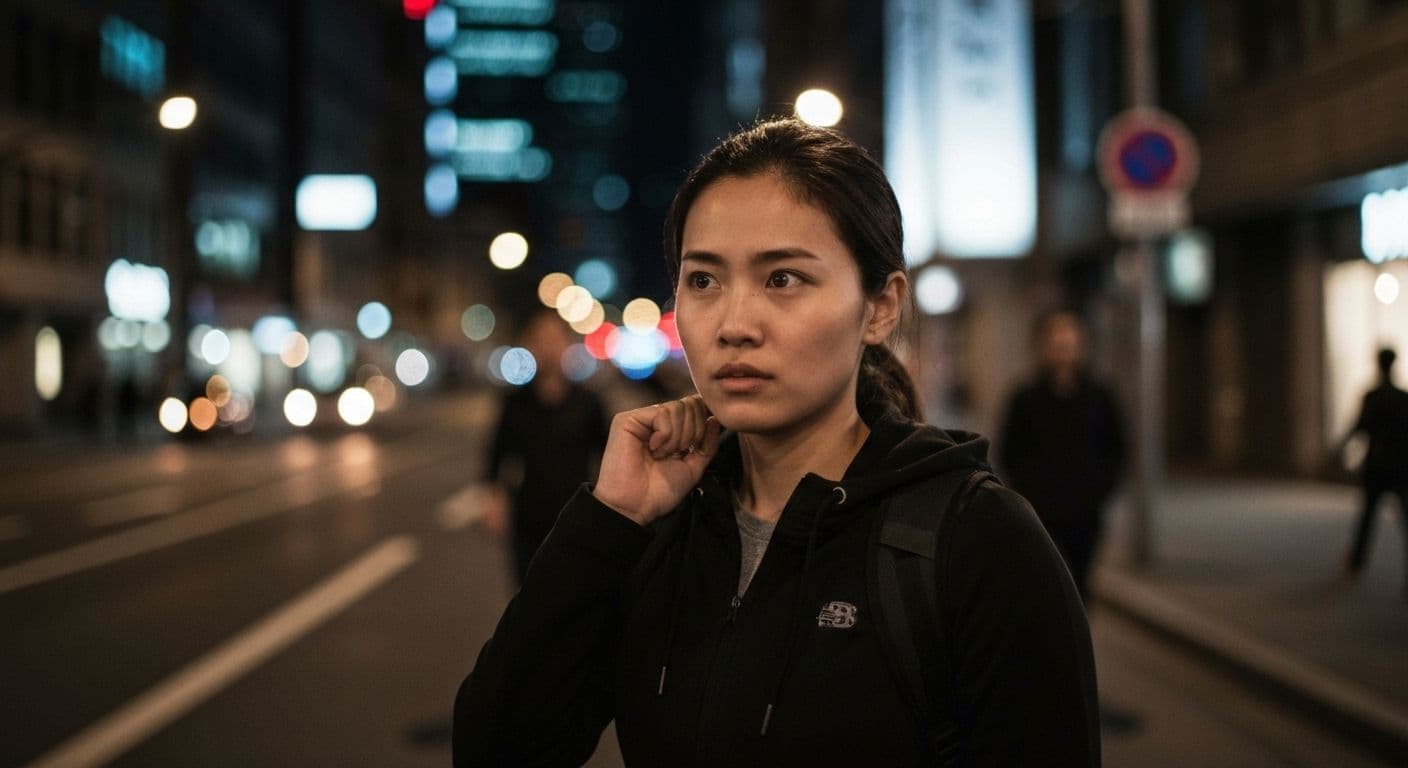
How to Develop Situational Awareness While Walking Alone at Night
Picture this: you're walking home after dinner with friends, the streetlights casting long shadows, and you feel that familiar flutter of unease. That heightened awareness isn't paranoia—it's your brain's natural protective mechanism kicking in. Learning to develop situational awareness transforms this anxiety into confident alertness, giving you practical tools to stay safe while walking alone at night without letting fear control your evening strolls.
The good news? Situational awareness is a learnable skill backed by cognitive science, not an innate talent reserved for security professionals. By understanding how your brain processes environmental information and practicing specific techniques, you'll build the confidence to navigate nighttime walks with both caution and calm. This guide provides science-driven strategies that strike the perfect balance between staying alert and enjoying the peaceful solitude of an evening walk.
When you develop situational awareness effectively, you're not becoming hypervigilant or fearful—you're simply training your mind to process information more efficiently, helping you spot potential concerns early while maintaining your sense of freedom and independence.
Master the Basics to Develop Situational Awareness on Your Walks
The Cooper Color Code system offers a practical framework for understanding your alertness levels. This military-developed approach categorizes awareness into four states: white (relaxed/unaware), yellow (relaxed but alert), orange (focused on potential threat), and red (responding to danger). Your goal during evening walks is maintaining condition yellow—aware without being anxious.
To develop situational awareness using this system, practice the 360-degree scan technique. Every 15-20 seconds, casually check what's happening in front of you, to your sides, and behind you. This isn't about jerky head movements that broadcast nervousness—think smooth, natural glances like you're admiring the architecture or checking street signs. Your peripheral vision captures more than you realize when you're paying attention.
Engaging multiple senses amplifies your awareness dramatically. Your ears detect approaching footsteps or vehicles before your eyes register them. Notice unusual smells that might indicate someone nearby or environmental changes. Feel the atmosphere shift when you move from a busy street to a quieter area. Similar to how your brain processes anxiety patterns, your sensory system constantly evaluates your environment for baseline information.
Understanding what's "normal" for your route helps you spot anomalies quickly. Is that parked car usually there? Do people typically gather on that corner? When you establish environmental baselines, deviations become immediately noticeable. This pattern recognition happens faster when your phone stays in your pocket and earbuds remain at home—full sensory awareness requires eliminating distractions that divide your attention.
Read Warning Signs and Develop Situational Awareness Through Pattern Recognition
Your gut instinct processes environmental cues milliseconds before conscious thought catches up. When something feels "off," that's your brain detecting pattern mismatches based on thousands of previous observations. Learning to develop situational awareness means honoring these instincts rather than dismissing them as irrational.
Pre-incident indicators provide valuable early warnings. Someone matching your walking pace for multiple blocks, individuals loitering without clear purpose near your path, or people positioning themselves to block your route all warrant heightened attention. These aren't automatic threats—they're simply deviations worth monitoring as you adjust your route or strategy.
Body language communicates intentions before actions occur. Intense, prolonged staring that feels predatory differs from casual glances. Sudden direction changes that bring someone closer to your path deserve notice. Hands hidden in pockets or behind the back prevent you from assessing whether someone carries something. Just as building self-trust happens through small observations, reading body language improves with practice.
Environmental red flags include poorly lit areas with limited visibility, blind corners where someone could wait unseen, isolated locations far from potential help, and areas with limited escape routes. Use mental rehearsal—the "what if" technique—to prepare responses without inducing anxiety. This cognitive preparation creates action plans your brain can access quickly if needed.
Practical Steps to Develop Situational Awareness and Walk Confidently
Your body language broadcasts volumes about your awareness level. Walking with purpose—head up, shoulders back, steady pace—signals confidence that makes you a less appealing target. Projecting alertness doesn't require looking aggressive; it simply shows you're paying attention.
Route planning amplifies safety significantly. Identify well-lit paths, note open businesses or safe spots where you could seek help, and vary your routine occasionally to avoid predictable patterns. This preparation transforms uncertainty into empowerment, similar to how small adjustments create major changes in other areas of life.
Daily micro-awareness exercises build this skill naturally. Practice observing details during daytime walks: count red cars, notice unusual architectural features, or remember faces you pass. These low-stakes exercises train your observation muscles without stress. Create personal safety protocols that feel sustainable—perhaps checking in with a friend when you arrive home or carrying a small flashlight.
The ultimate goal is transforming awareness into empowerment rather than anxiety. When you develop situational awareness through consistent practice, evening walks become opportunities for peaceful reflection rather than sources of stress. You're building a practical skill that serves you across countless situations, creating confidence that extends far beyond nighttime navigation.



