


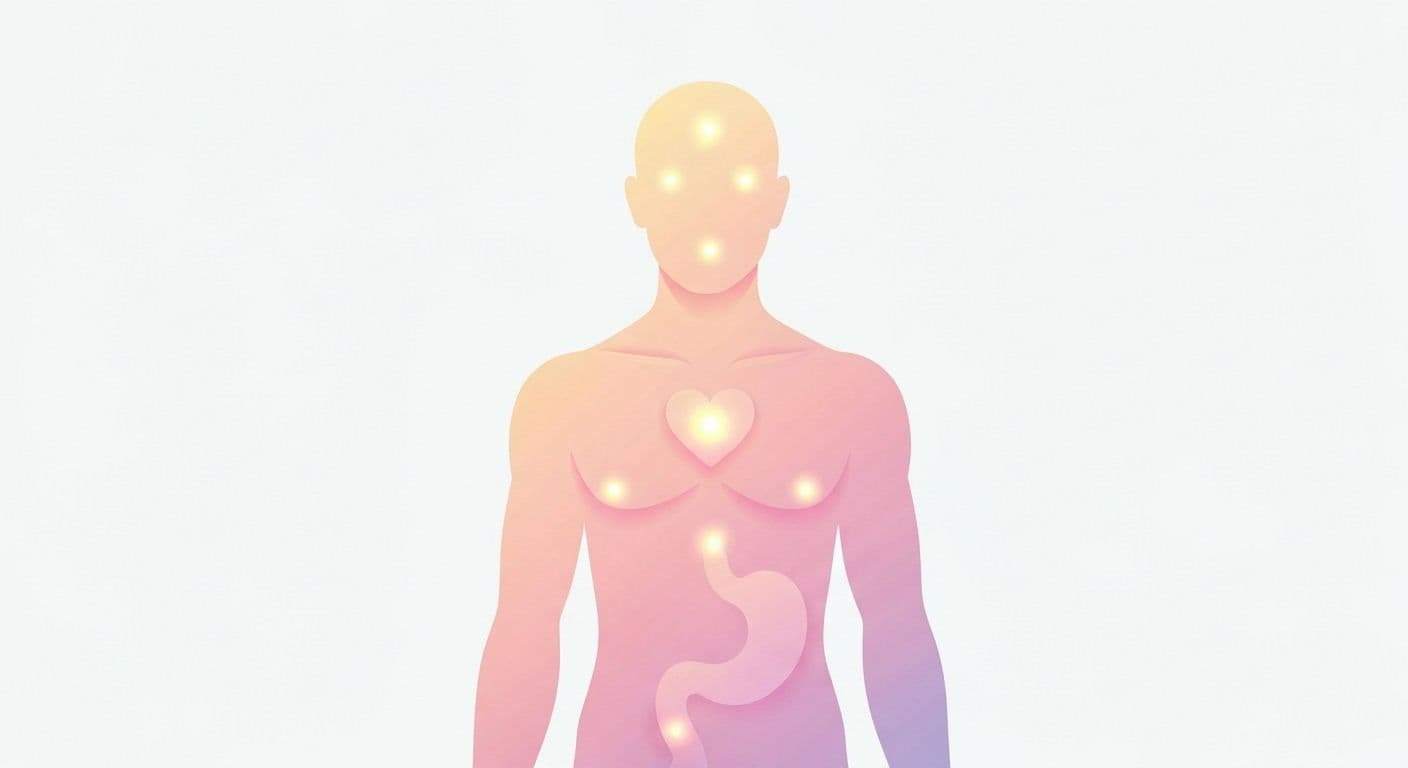
How to Read Your Emotional Dashboard: Self Awareness Emotions Guide
Your heart's racing, your jaw feels tight, and there's a knot forming in your stomach—but you don't realize you're stressed until you're already snapping at someone. Sound familiar? Your body is constantly broadcasting emotional signals, but most of us miss them until we're in full-blown reaction mode. Learning self awareness emotions starts with tuning into your body's early warning system, the physical sensations that appear before you consciously recognize what you're feeling.
Think of your body as an emotional dashboard, complete with warning lights that flash long before you hit empty. These signals—tension patterns, breathing shifts, temperature changes—are your brain's way of preparing you for action. The catch? Most people ignore these messages until the check engine light is blinking red. The science behind this is fascinating: your body's stress response activates milliseconds before your conscious mind catches up, giving you a precious window to respond proactively rather than reactively.
Ready to become fluent in your body's language? Let's explore the five key body signals that reveal your emotional state before your mind fully registers what's happening.
Building Self Awareness Emotions Through Physical Tension Patterns
Your muscles hold emotional memory, creating predictable tension patterns that correspond to specific feelings. That clenched jaw and raised shoulders? Classic anger or frustration indicators. The tight chest and stomach knots? Your body's way of signaling anxiety or worry before you consciously feel worried.
The key to developing self awareness emotions through tension patterns is learning your personal tension map. Everyone has unique hotspots where emotions show up first. For some, stress lives in the neck and shoulders. For others, it manifests as lower back tightness or tension behind the eyes.
Quick Body Scan Technique
Try this three-second body scan: mentally sweep from your head down to your toes, noting any areas that feel tight or uncomfortable. This simple practice, done several times throughout your day, helps you catch tension early before it escalates into full emotional reactivity. Think of it as checking your mirrors while driving—a quick glance that prevents bigger problems. This approach connects naturally with confident body language practices that reinforce emotional awareness.
Progressive muscle awareness takes this further. Spend a week simply noticing when and where tension appears, without trying to change anything. You'll start recognizing patterns: meetings trigger shoulder tension, difficult conversations create jaw clenching, and deadline pressure shows up as a tight chest.
Breathing Changes: Your Self Awareness Emotions Early Warning System
Your breath is a real-time emotional feedback system broadcasting your internal state. Shallow chest breathing? That's stress and overwhelm talking. Notice yourself holding your breath during concentration or anxiety? Your body's hitting pause while your mind races ahead.
Rapid breathing indicates activation—whether that's excitement, anxiety, or preparation for action. The beauty of breath awareness for developing self awareness emotions is its accessibility. Unlike tension patterns that require focused attention, you can check your breathing anywhere, anytime.
Breathing Awareness Practice
Set three random phone reminders throughout your day simply labeled "breathe check." When they buzz, notice: Is your breathing shallow or deep? Fast or slow? Are you breathing into your chest or belly? No judgment, just observation. This micro-practice builds the foundation for recognizing emotional patterns through breathing techniques that support emotional regulation.
Energy Shifts and Temperature: Developing Self Awareness Emotions Intelligence
Sudden fatigue or energy drops signal emotional depletion before your mind registers burnout. That wave of exhaustion after a difficult conversation? Your body's processing emotional information and adjusting your energy accordingly.
Temperature changes are equally revealing. Heat rising in your face or chest during anger or embarrassment is your sympathetic nervous system activating. Cold hands and feet indicate anxiety or fear—your body redirecting blood flow to major muscle groups for potential action. Restless energy, that can't-sit-still feeling, shows excitement or agitation brewing beneath the surface.
Track your personal energy-emotion connections by noting when energy shifts occur and what you were thinking or doing beforehand. You'll discover your unique patterns: certain people drain your energy, specific tasks energize you, and particular thoughts trigger temperature changes. This awareness complements inner dialogue strategies that shape emotional responses.
Mastering Self Awareness Emotions: Your Action Plan for Daily Practice
Now that you understand your body's emotional signals, let's make this practical. Start with a three-second body check-in: scan for tension, notice your breath, and register your energy level. That's it. This micro-practice, repeated throughout your day, prevents emotional escalation by catching feelings early.
Building self awareness emotions becomes automatic with consistent practice. Your body is already sending signals—now you're just learning to listen. Ready to transform how you experience and respond to emotions? Your emotional dashboard is waiting to be read.



